
Changing weather affects our day to day lives, our sleep, mood and our overall comfort. With a day with humid weather, rainy, cool and unusually warm, how do I adapt our yoga exercises to stay active, but not put stress on the body? The thing is gentle movements, hydration and not to push yourself when the weather is hostile to exercise.
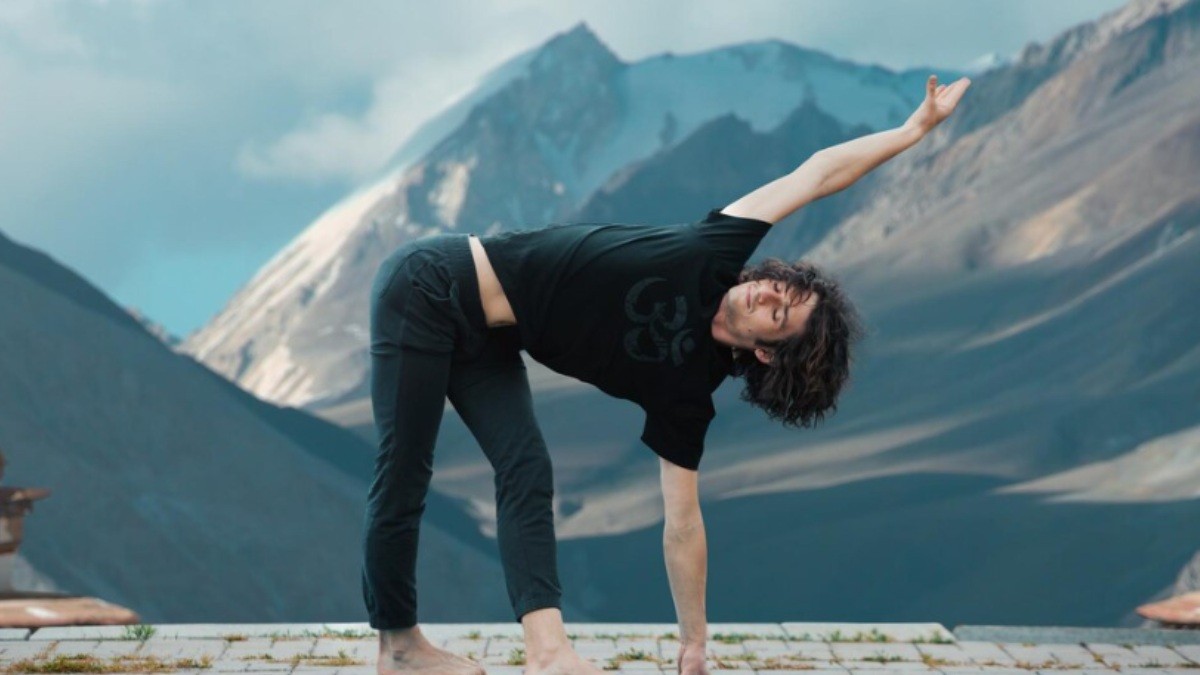
Start With Gentle Warm-Ups
In the first five to ten minutes of your practice, do some gentle moves. Shoulder rotations, neck stretches, ankle rotations and slow spinal movements will help to prepare the body.
Cat-Cow stretches are another simple option. They encourage movement through the spine while allowing you to gradually warm up before moving into more demanding poses.
Related Articles
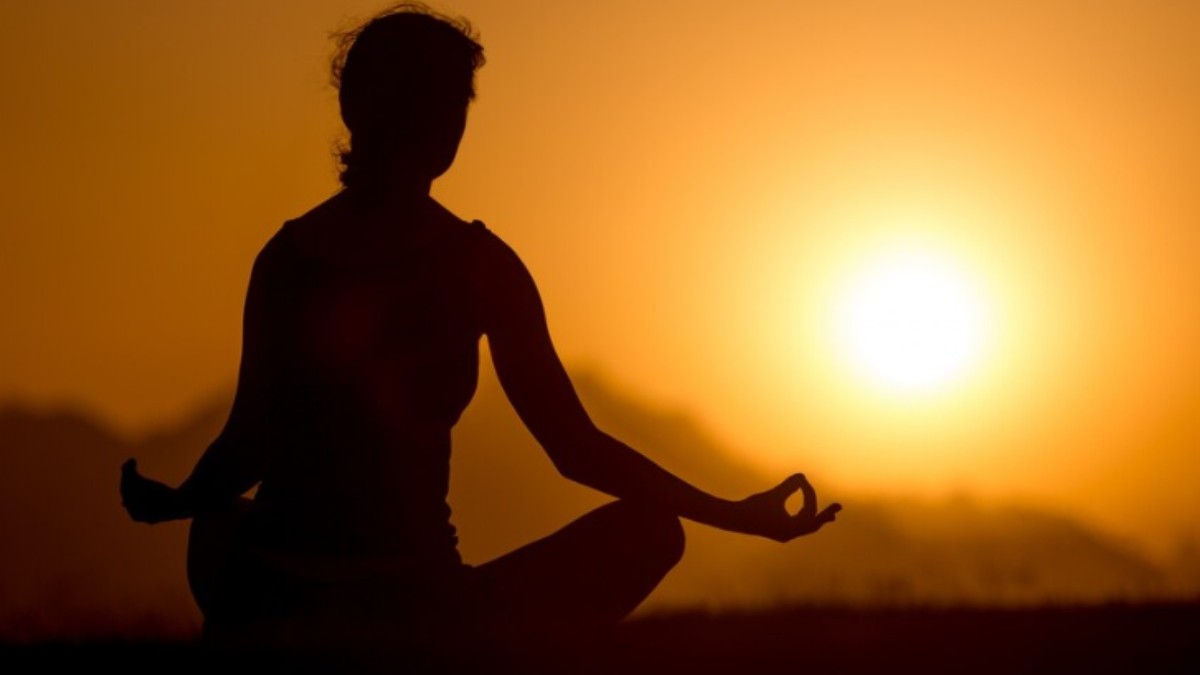
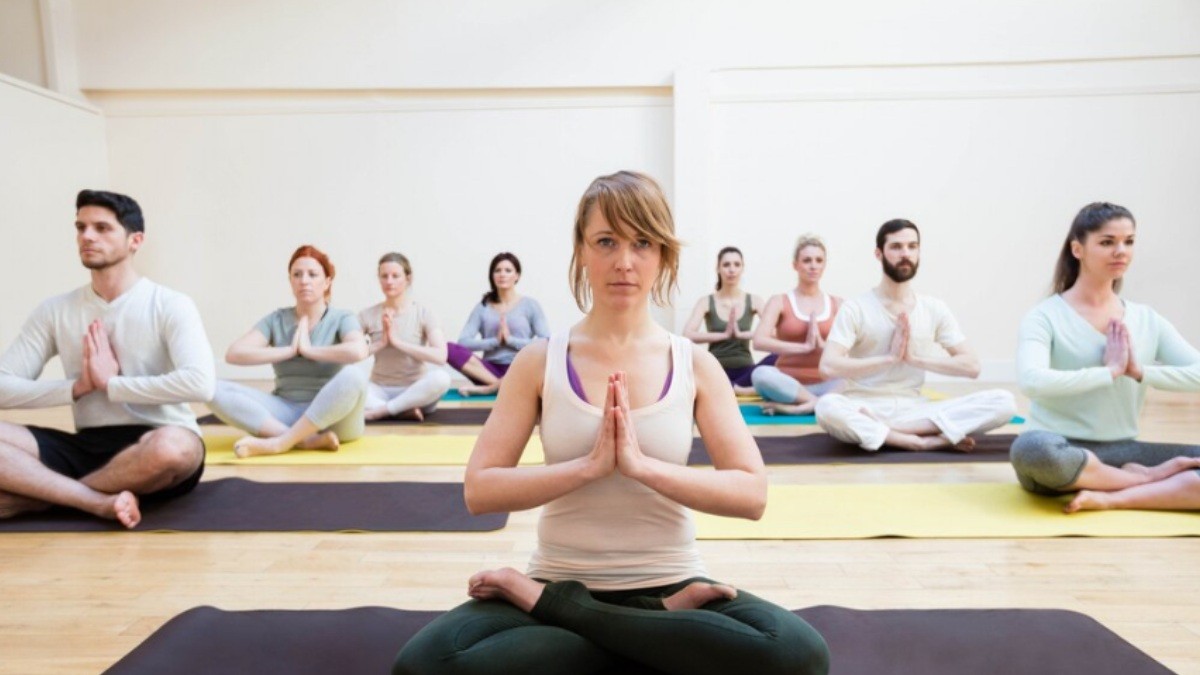
Yoga for Humid or Hot Weather
When it is hot and humid a yoga session can make you tired. Have slower workouts and take breaks.
Balasana (Child’s Pose) can provide a relaxing pause between movements. Supta Baddha Konasana (Reclining Bound Angle Pose) is another gentle posture that can be incorporated into a slower routine.
Practice in a cool room and avoid exercising during the hottest part of the day. And drink enough fluids.
Related Articles
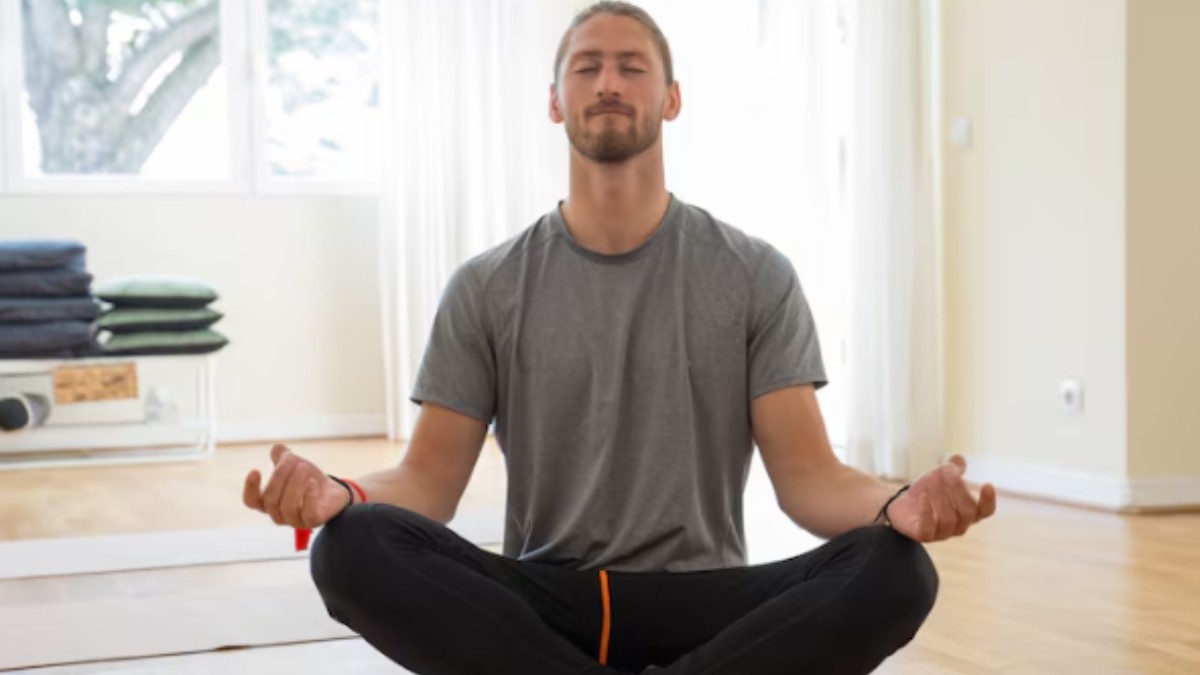
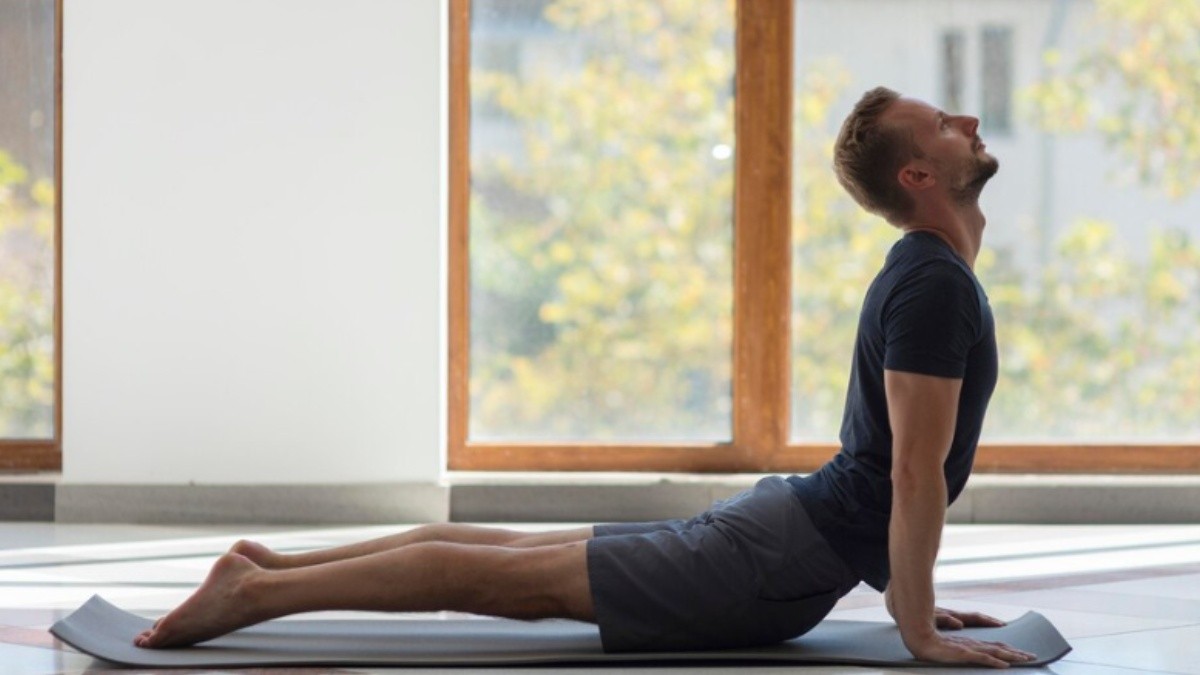
Yoga During Rainy Weather
While it might rain, people tend to stay indoors in a rainy season and yoga can be a good way to keep moving. To keep you active, a gentle sequence like Adho Mukha Svanasana (Downward-Facing Dog) or Cat-Cow, and seated stretches are good exercises to do.
Since the floor is slippery due to moisture, you should secure your yoga mats and make sure your practice area is dry before you begin.
Yoga for Cooler Weather
In a cool environment muscles can feel stiff at the beginning of a session. So spend more time warming up, rather than doing a stretching fast.
Tadasana (Mountain Pose), gentle lunges and controlled Sun Salutations can slowly increase movement.
Breathing Exercises for Weather-Related Discomfort
Pranayama can complement a gentle yoga routine. Nadi Shodhana or alternate-nostril breathing is commonly practiced as a calming breathing technique.
Slow and comfortable breathing can help to create a more relaxed practice. If you feel dizzy, uncomfortable or short of breath, stop the exercise and return to normal breathing.
Keep Your Routine Flexible
No one should have to do the same yoga routine every day. Weather, energy level and comfort level can affect how much exercise is right.
If you can only have a longer session when it’s hot, humid or rainy, a shorter training is actually more realistic on hot, humid or rainy days. On warm, humid or rainy days you may gradually include more movement.
Listen to Your Body
Yoga shouldn’t be about forcing the body to do something. Pay attention to signs of unusual fatigue, dizziness, nausea or breathing difficulty. If you have a medical condition or don’t know if a particular exercise is right for you, seek advice from a qualified healthcare professional.
It is possible to adapt your yoga practice to the weather to make your routine more comfortable and sustainable. A few mindful stretches, gentle poses and controlled breathing can be enough to keep your body moving and support relaxation throughout the day.




Comments 0