
Yoga is often associated with mindfulness, clean living and overall well-being. But you may have the attention to your breathing, posture, diet and workout routine (as well as fitness routines) but there is one part of the daily routine you cannot be without—the yoga mat. Your application of hands, feet and body on the floor can be very much the product of hygiene and skin health as well as exposure to certain materials.
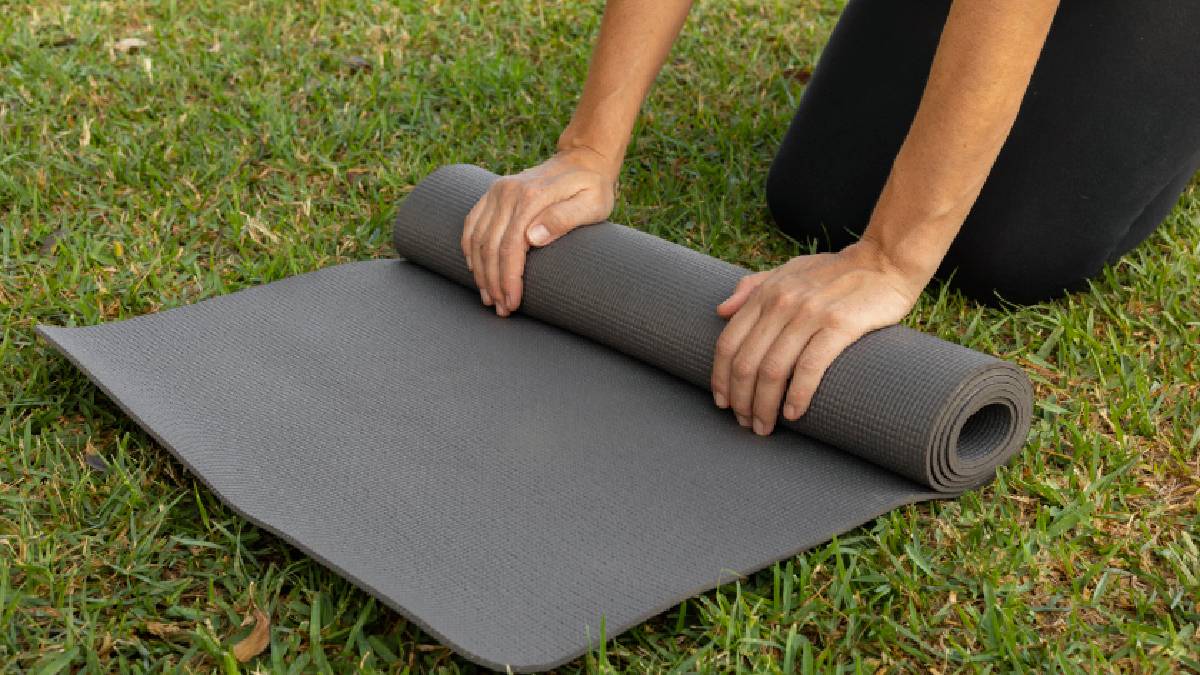
Prateek Kedia, yoga expert and founder of Wiselife, said on HT Lifestyle why yoga mat choice and maintenance is important. “You know what your mat is made of and keeping it clean can make it more hygienic and comfortable for your yoga practice,” he explained.
How can your yoga mat affect your health?
Many cheap yoga mats are made from PVC, or polyvinyl chloride. The material is inexpensive and durable and good for grip. However, there are issues with some chemicals used in the production of PVC products. Plasticisers like phthalates have been studied for their effect on hormone regulation over long or large exposure in some mats, e.g.
Related Articles
One of the first things people notice about a new yoga mat is its strong smell. That “new mat” smell might come from volatile compounds that are released from the material—particularly when the mat is new. A very scented mat in a poorly ventilated room may not be pleasant for people who are sensitive to strong chemical odours.
But the material is only one part of the equation. Hygiene is just as important.
Your mat touches your hands, feet, knees, back and other parts of your body during yoga. Sweating can leave liquid on the surface and dust, skin cells and environmental dirt can build up between cleaning sessions. A mat that is regularly used but rarely cleaned can become a breeding ground for microorganisms such as bacteria and fungi.
Related Articles
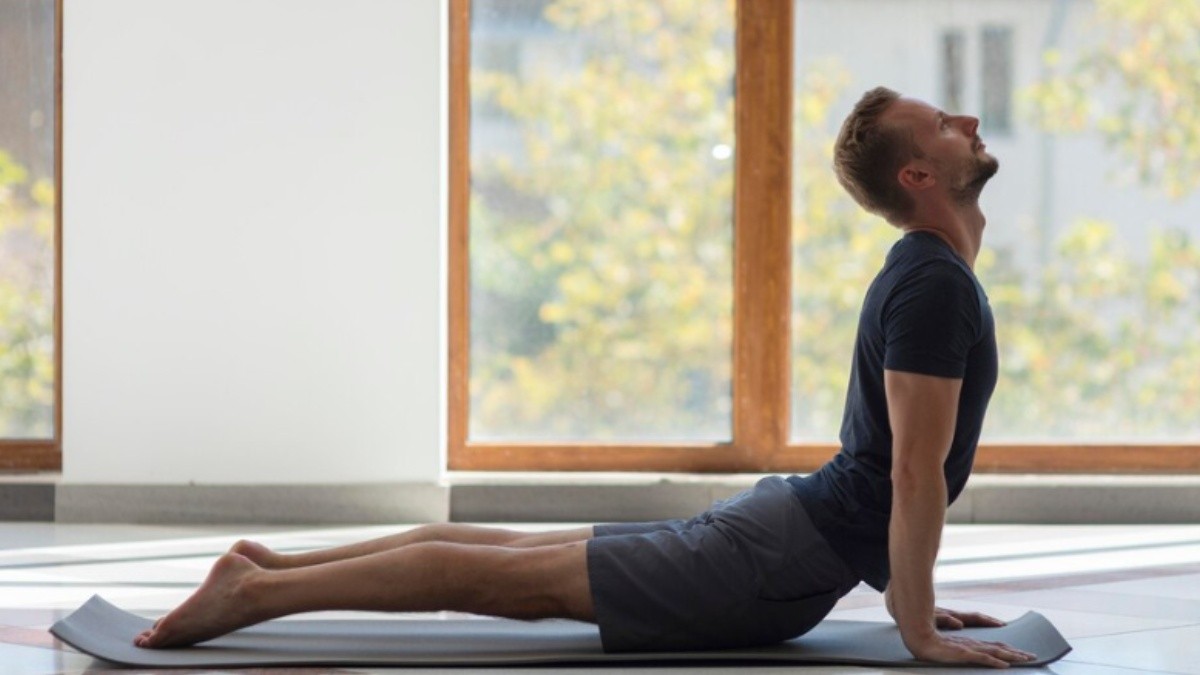
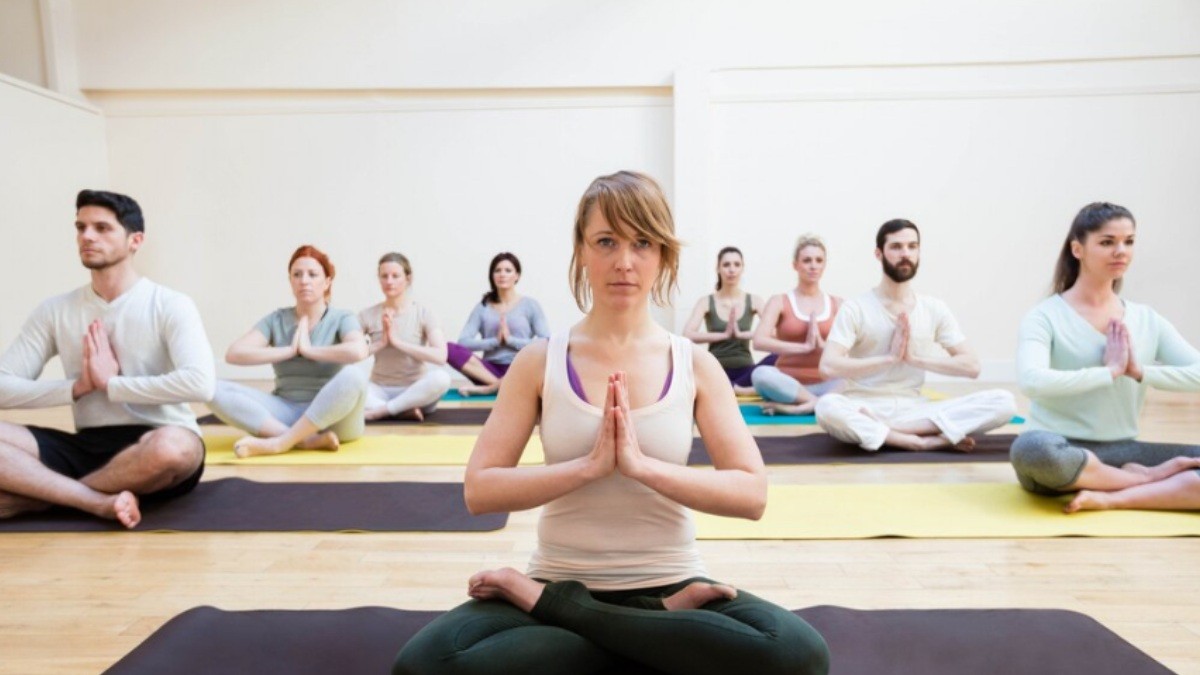
When you practise in a shared studio or gym, mats used by multiple people may be exposed to sweat and germs from people with different levels of health, so cleaning and disinfection is now more important.
Does sweating make mat hygiene more important?
Yes. Sweat is not necessarily bad in itself, but a wet surface can promote microbial growth if it is not washed and dried properly. A wet or sweaty mat, rolling it up immediately after a workout can trap moisture inside which can lead to unpleasant odours and microorganisms for a longer time.
That is why it is essential that your mat dries completely after each practice as part of yoga hygiene. And simply taking it to the next session and leaving it folded in a bag isn't good enough.
How can you choose a safer yoga mat?
You shouldn’t throw away your current mat. Consider its state, material and how often you use it. If you’re looking to buy a new mat in your home then you can go for natural rubber, cork, jute or organic cotton mats.
As India develops, those materials are becoming more available; yet they may be a little more expensive than synthetic ones. Natural rubber is a good grip material while cork and jute can be a much better cushioning material. Your comfort, style of practice and personal preferences will determine your choice.
It is worth checking product information before buying. Look for transparent information about the material and manufacturing process rather than choosing a mat solely on the basis of price or appearance.
Simple ways to keep your yoga mat clean
What kind of material your mat is made of is one of the most important things to do, but basic hygiene is really important. Wipe down your mat after a session, especially when you have been sweating a lot. Apply a cleaning solution that is appropriate for that material and be sure to avoid applying harsh chemicals to some surfaces.
Allow the mat to air-dry completely before rolling it up. Do not put a damp mat in a closed yoga bag or cupboard, and keep it in a clean, dry and well-ventilated place.
You also should never share your own yoga mat. If you practice in a studio where you share equipment, follow the facility's cleaning protocol and use your own mat or mat cover.
And finally, pay attention to the condition of your mat. If it gets flaking, peeling, cracking or breaking down, it's time for a replacement. A damaged surface is more difficult to clean and can impact grip and stability during your practice.
Yoga is, at its core, about the mind and body, so that mindfulness can be applied to the space in which you practice. While your yoga mat is not the first thing you think about when you come to think of health, that material and the cleanliness habits are required to ensure that the experience is hygienic at the same time.
And really, it’s not only learning the pose that is important to have a healthy yoga routine, but also to pay attention to the surface which is there to support you in the practice.




Comments 0