
Modern life can make it difficult to slow down. Work responsibilities, digital distractions, family commitments and everyday worries can leave the mind constantly active. Yoga, meditation and mindfulness offer simple practices that can help people reconnect with their bodies, manage stress and become more aware of the present moment.
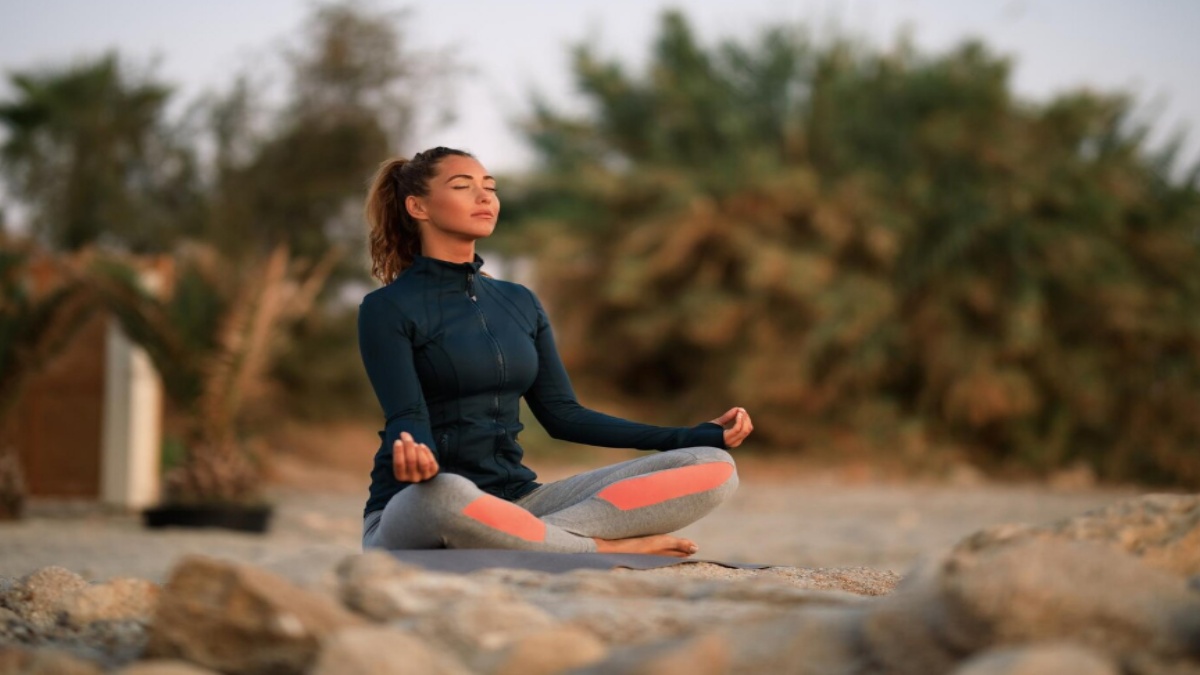
Although these practices are closely connected, each has a different focus. Yoga combines physical postures, breathing and mindful awareness. Meditation generally involves training attention and developing a calmer relationship with thoughts and emotions. Mindfulness is the practice of deliberately paying attention to the present moment without immediately judging or reacting to what is happening.
When incorporated into a regular routine, these approaches can complement one another and support overall wellbeing.
Related Articles
What Is Yoga
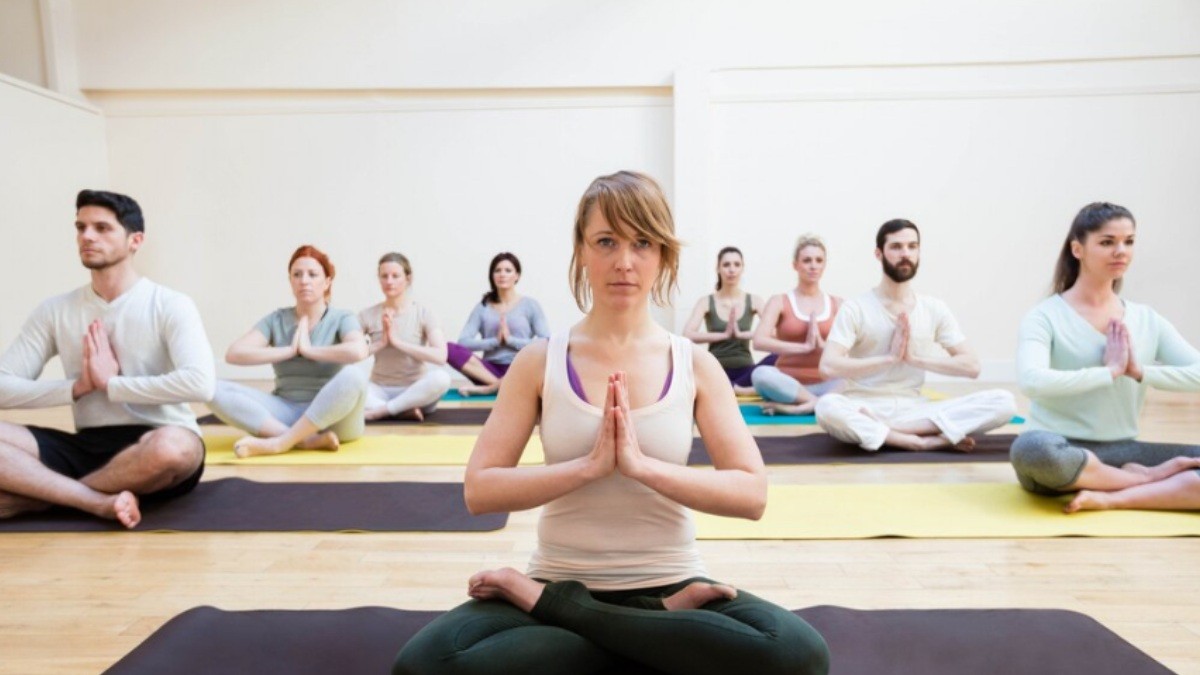
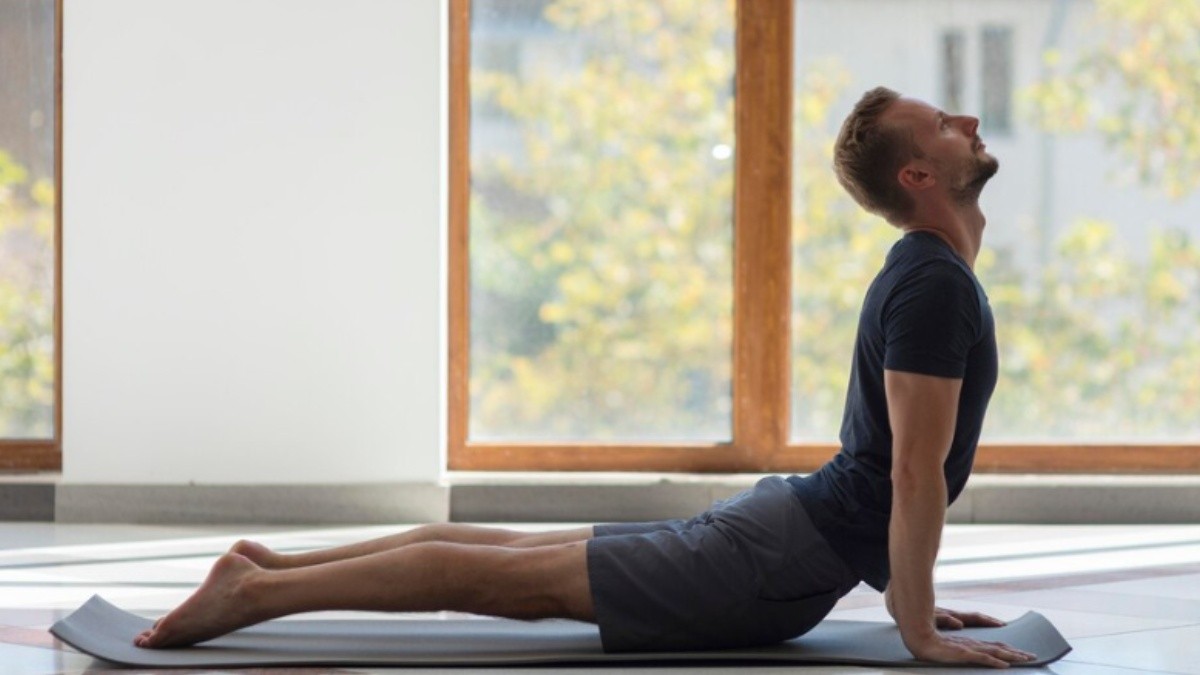
Yoga is a mind-body practice that traditionally combines physical postures, breathing techniques and relaxation or meditation. Modern yoga can range from gentle stretching and restorative sessions to more physically demanding practices.
Regular yoga may help improve flexibility, balance, mobility and muscular strength. It can also encourage greater awareness of posture and breathing. For people who spend long periods sitting at a desk, gentle yoga movements may provide an opportunity to move areas of the body that remain inactive during the day.
Yoga can also have a mental component. Paying attention to breathing and bodily sensations during a session encourages people to stay focused on the present rather than constantly thinking about past or future events.
Related Articles
Understanding Meditation
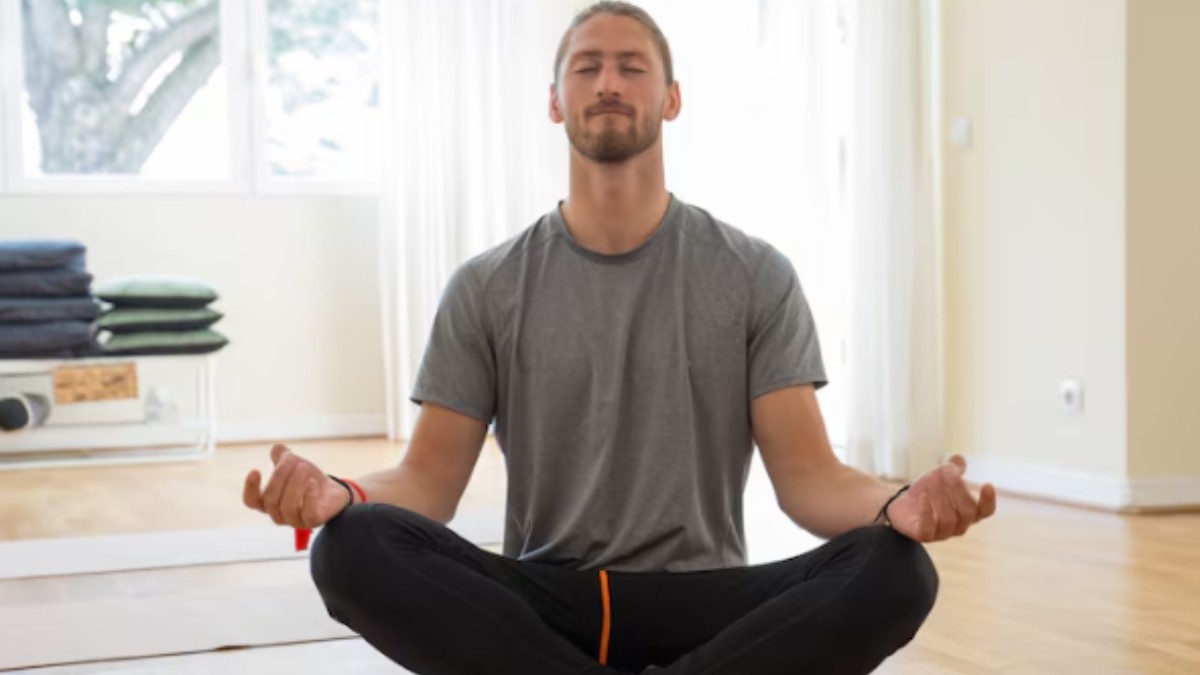
Meditation is an umbrella term for a variety of practices designed to train attention and awareness. Some forms focus on the breath, while others involve observing thoughts, repeating a phrase or cultivating feelings such as compassion.
Meditation does not necessarily mean completely emptying the mind. Thoughts will naturally arise. The practice is often about noticing those thoughts without becoming completely absorbed in them and gently returning attention to the chosen focus.
With consistent practice, meditation may help people develop greater awareness of their thought patterns and responses to stressful situations.
What Is Mindfulness
Mindfulness means bringing intentional attention to the present moment. It can be practised during formal meditation, but it can also become part of everyday activities.
For example, a person can practise mindfulness while eating by noticing the food's texture, flavour and aroma rather than eating while scrolling through a phone. Similarly, mindful walking involves paying attention to movement, breathing and the surrounding environment.
This approach can help people become more aware of their emotions and reactions. Instead of automatically responding to every stressful thought, mindfulness encourages a small pause between experiencing something and reacting to it.
Benefits of Combining Yoga, Meditation and Mindfulness
1. Stress Management
One of the most popular reasons people turn to these practices is stress. Slow breathing, physical movement and focused attention can create a period of calm in an otherwise busy day.
2. Better Focus and Concentration
Meditation and mindfulness involve repeatedly bringing attention back to the present. This may help develop greater awareness of distractions and make it easier to return to a task.
3. Improved Physical Awareness
Yoga encourages people to notice how different movements feel in the body. This increased awareness can help individuals recognise tension, fatigue and physical limitations.
4. Emotional Balance
Mindfulness can help people observe emotions without immediately reacting to them. Combined with meditation and yoga, it may encourage a more thoughtful approach to everyday emotional challenges.
5. Support for Sleep
Relaxation practices may be useful as part of a bedtime routine. Gentle yoga, slow breathing and a short mindfulness session can provide a transition between a busy day and rest.
6. Greater Self-Awareness
Together, yoga, meditation and mindfulness can encourage people to understand their habits, reactions and physical sensations more clearly. This self-awareness can support healthier lifestyle decisions.
How to Start a Simple Routine
Beginners do not need to spend hours practising. Start with 10 to 15 minutes a day and gradually increase the duration if it feels comfortable.
A simple routine could include five minutes of gentle yoga, five minutes of slow breathing or meditation and a few minutes of mindful observation. The goal is consistency rather than perfection.
Choose a quiet and comfortable environment, wear clothing that allows easy movement and avoid forcing the body into difficult postures. People with injuries, medical conditions or other health concerns should seek appropriate professional advice before beginning a new physical practice.
The Importance of Consistency
The benefits of yoga, meditation and mindfulness are best approached as part of a sustainable routine rather than a quick solution. Missing a session does not mean the practice has failed. Returning to it the next day is more important than maintaining a perfect streak.
Even a few mindful minutes can create an opportunity to pause, breathe and reconnect with the present.
Yoga, meditation and mindfulness provide complementary ways to care for both the body and mind. Yoga adds movement and body awareness, meditation develops focused attention, and mindfulness encourages greater presence during everyday life.
Whether practised separately or together, these techniques can become valuable tools for managing stress, improving self-awareness and creating a healthier relationship with everyday experiences. Starting small, practising consistently and choosing techniques that feel comfortable can make these practices easier to maintain over time.




Comments 0