
Yoga is one of the world's oldest holistic practices, originating in ancient India thousands of years ago. More than just a form of physical exercise, yoga combines movement, controlled breathing, meditation, and mindfulness to promote harmony between the body and mind. Today, millions of people across the globe practice yoga to improve their physical fitness, reduce stress, and enhance their overall quality of life.

Modern scientific research has highlighted numerous health benefits associated with regular yoga practice. While yoga is not a substitute for medical treatment, it can be an effective complement to a healthy lifestyle when practiced safely and consistently.
What Is Yoga
The word "Yoga" comes from the Sanskrit root Yuj, meaning "to unite" or "to join." It reflects the union of the body, mind, and spirit. Traditional yoga includes several components, such as:
Related Articles

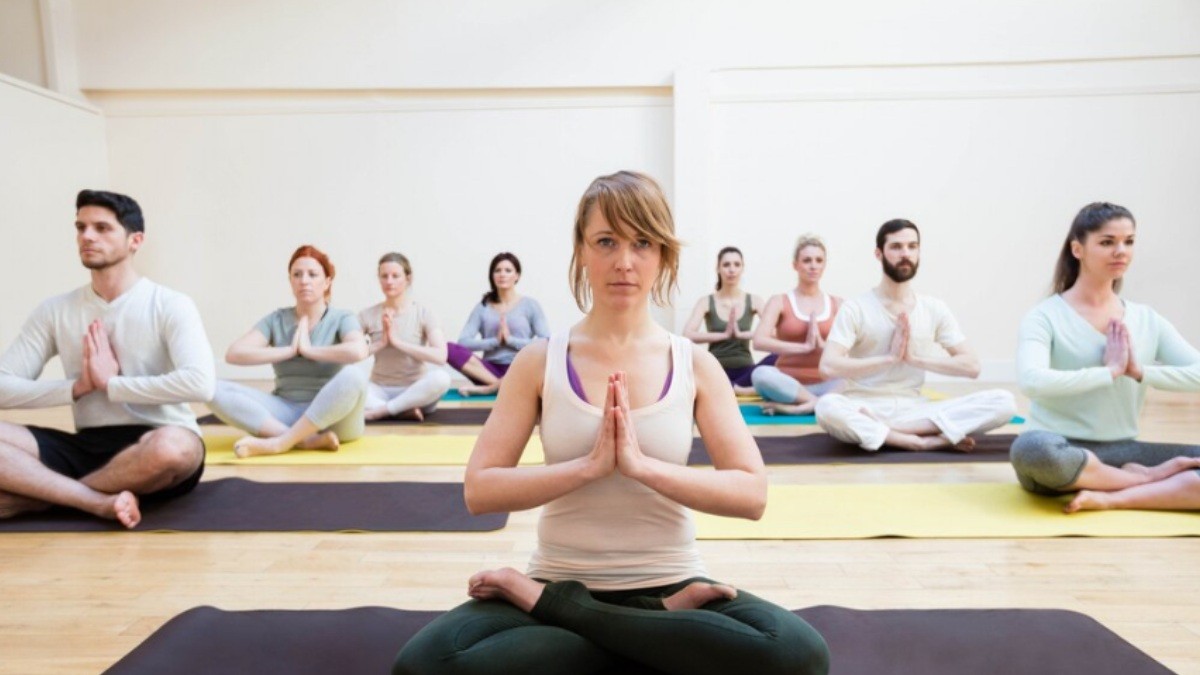
- Asanas (Physical Postures): Improve flexibility, strength, and balance
- Pranayama (Breathing Exercises): Enhance lung function and encourage relaxation
- Meditation: Promotes mental clarity and emotional balance
- Mindfulness: Encourages awareness of the present moment and healthy responses to stress
Together, these practices contribute to overall well-being.
Physical Benefits of Yoga
Improves Flexibility and Strength
Regular yoga practice stretches and strengthens muscles throughout the body. Over time, flexibility improves, posture becomes better, and muscles develop greater endurance. Stronger muscles also provide better support for the joints and spine.
Enhances Balance and Coordination
Many yoga poses require concentration and body awareness, helping improve balance and coordination. This can be particularly beneficial for older adults, as better balance may reduce the risk of falls.
Related Articles


Supports Heart Health
Gentle to moderate yoga can complement cardiovascular health by encouraging physical activity and promoting relaxation. Some studies suggest that yoga may help lower blood pressure in certain individuals and support overall heart health when combined with other healthy habits.
Helps Manage Back Pain
Yoga emphasizes proper posture, core strength, and flexibility. For some people with chronic lower back pain, carefully selected yoga exercises may improve mobility and reduce discomfort. Individuals with existing injuries should consult a healthcare provider before starting.
Mental and Emotional Benefits
Reduces Stress
One of yoga's most recognized benefits is stress reduction. Deep breathing and mindfulness help activate the body's relaxation response, which may lower stress levels and improve emotional resilience.
Improves Mental Well-Being
Regular yoga practice has been associated with improvements in mood, concentration, and emotional well-being. Many practitioners report feeling calmer, more focused, and better equipped to manage daily challenges.
Promotes Better Sleep
Practicing gentle yoga before bedtime can help relax the body and quiet the mind. Research suggests that consistent yoga routines may improve sleep quality and help reduce symptoms of insomnia in some individuals.
Yoga and Overall Health
Yoga supports healthy lifestyle habits in several ways. People who practice regularly often become more aware of their physical and emotional needs, encouraging positive choices related to nutrition, physical activity, and self-care.
Potential health benefits include:
- Better posture
- Improved breathing efficiency
- Increased body awareness
- Greater flexibility
- Enhanced muscle strength
- Better stress management
- Improved mobility
- Greater relaxation
- Increased energy levels
- Enhanced quality of life
Although these benefits are supported by varying levels of scientific evidence, individual experiences may differ.
Yoga is a time-tested practice that supports physical fitness, mental clarity, and emotional balance. Through a combination of movement, breathing, and mindfulness, it offers a holistic approach to health that can benefit people of all ages.
Different Types of Yoga
There are many styles of yoga, allowing people to choose a practice that suits their goals and fitness level.
Popular forms include:
- Hatha Yoga: Gentle and beginner-friendly
- Vinyasa Yoga: Dynamic sequences linked with breathing
- Ashtanga Yoga: A structured, physically demanding practice
- Iyengar Yoga: Focuses on precise alignment and often uses props
- Yin Yoga: Involves holding passive stretches for longer periods
- Restorative Yoga: Uses supportive poses to encourage deep relaxation
Trying different styles can help you discover the one that best fits your needs.
Tips for Starting a Yoga Practice
If you're new to yoga, consider these simple tips:
- Learn from a qualified yoga instructor
- Wear comfortable, breathable clothing
- Practice on a non-slip yoga mat
- Begin with beginner-level poses
- Focus on proper breathing rather than perfecting every pose
- Listen to your body and avoid forcing movements
- Stay consistent by practicing several times a week
People with chronic medical conditions, recent injuries, or pregnancy should consult a healthcare professional before beginning a new exercise routine.
Common Myths About Yoga
Myth: Yoga is only for flexible people
Fact: Yoga helps improve flexibility over time and can be adapted for all fitness levels
Myth: Yoga is not real exercise
Fact: Depending on the style, yoga can improve strength, endurance, flexibility, and balance
Myth: Yoga is only for young adults
Fact: People of various ages can practice yoga with appropriate modifications




Comments 0