
it’s a holistic practice that nurtures the body, mind, and spirit. It is an ancient practice by which yoga is derived from physical postures (asanas), controlled breathing (pranayama), and meditation to help maintain a healthy body and a happy and healthy mind. Tens of millions of people around the world are using yoga every day for its physical and mental health benefits.
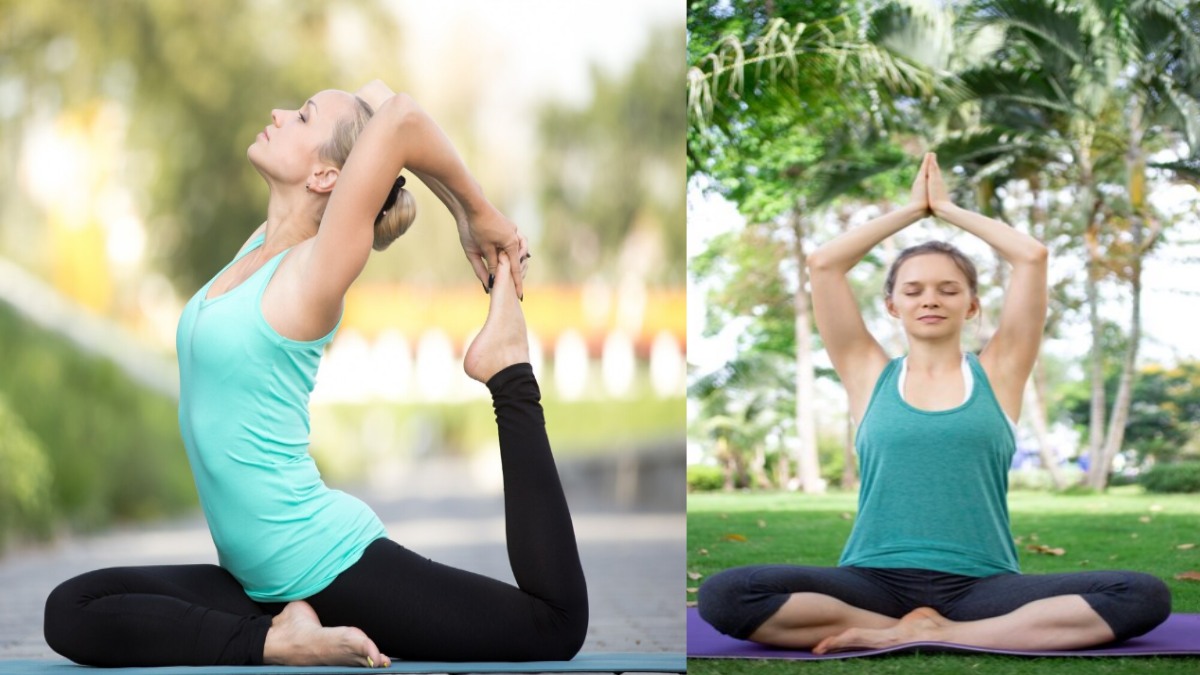
Yoga is a good complement to a healthy life and science is still on board. Organizations such as the National Institutes of Health (NIH) and various healthcare institutions have recognized the evidence-based benefits of yoga for physical fitness, stress management, and quality of life.
What are nine examples of the benefits of doing yoga in daily life,
Related Articles

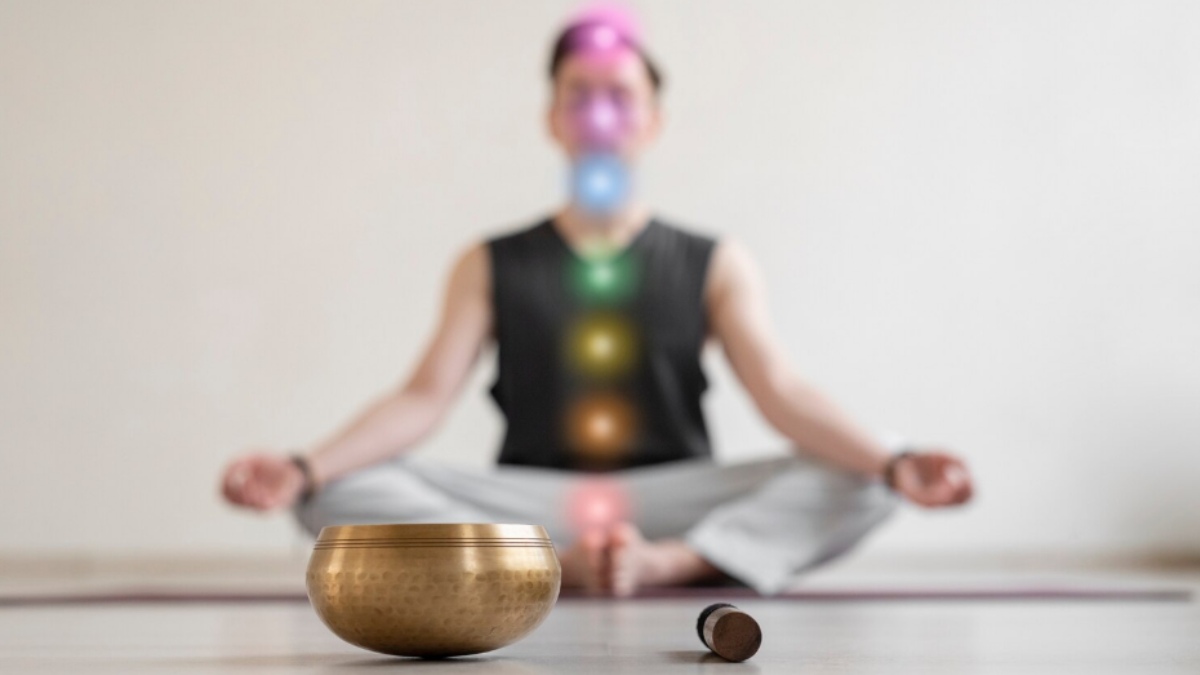
Yoga improves strength, balance, and flexibility
Yoga has been associated with good flexibility and strength. Slow, controlled movements in addition to deep breathing warm up your muscles and help in blood flow. Holding yoga poses engages various muscle groups (strength, posture, balance) and increases strength.
It is possible to reduce the risk of falling in elderly people (and other older people who have lower mobility) with better balance and flexibility.
Yoga helps relieve back pain
Yoga has emerged as a successful non-drug option for many people with chronic back pain. Gentle stretching and strengthening exercises can help improve spinal mobility, reduce muscle tension, and enhance posture.
Related Articles
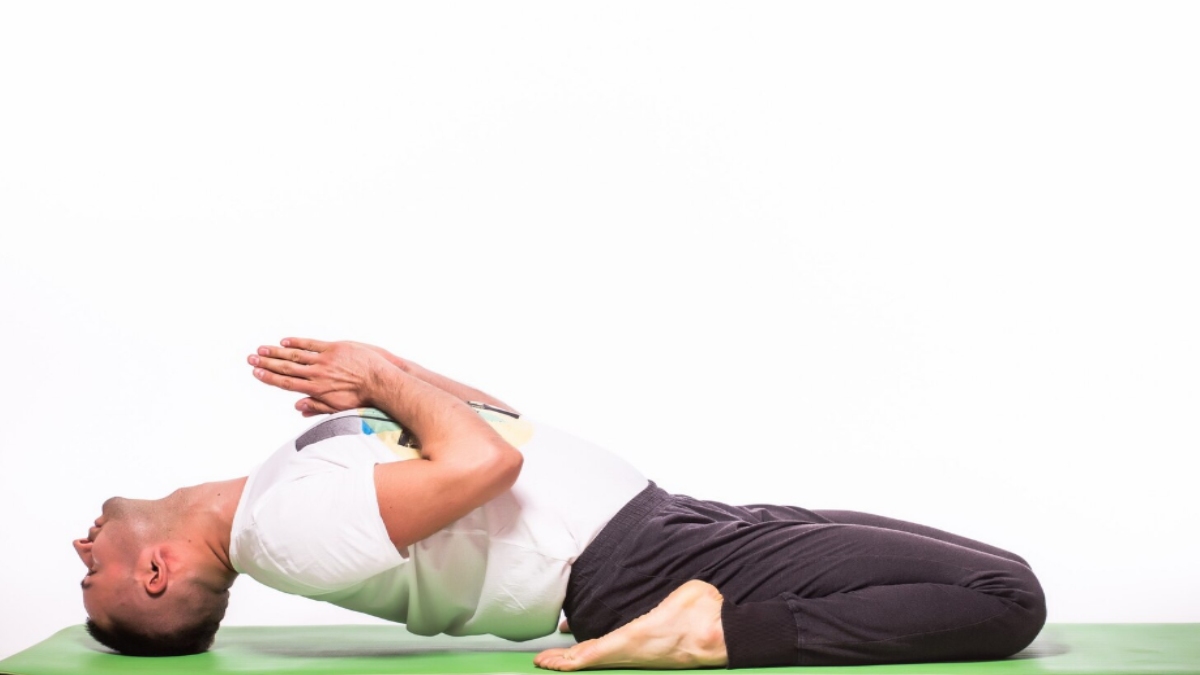
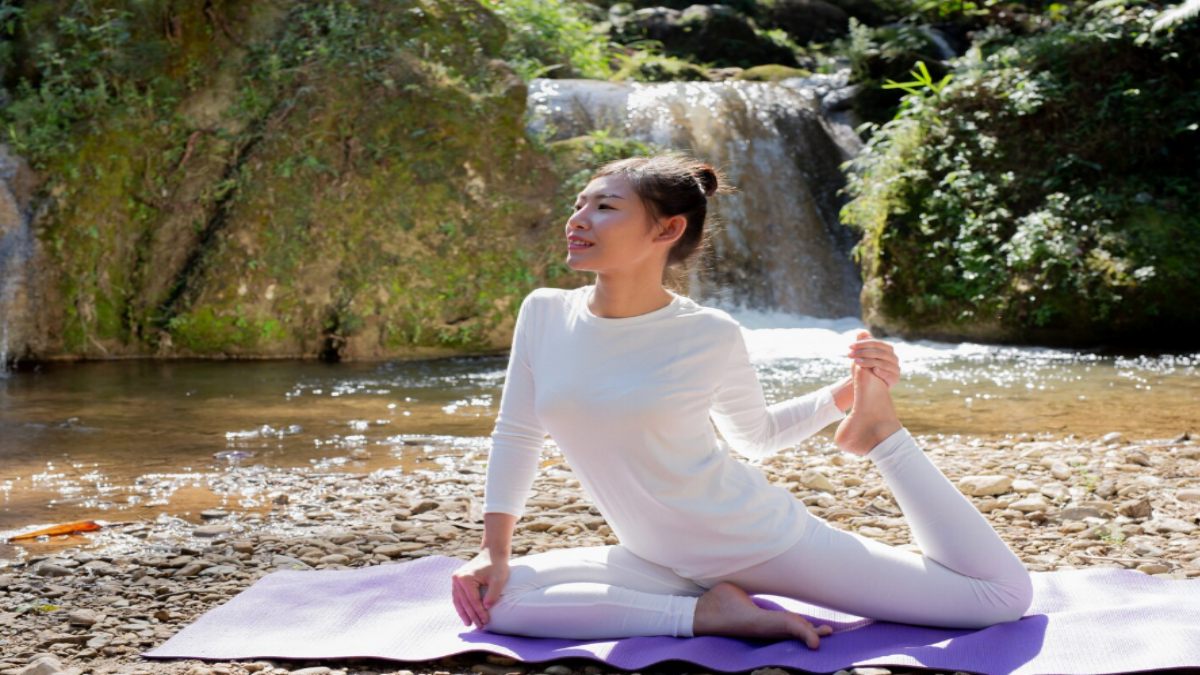
The American College of Physicians recommends yoga as one of the first-line non-pharmacological therapies for chronic low back pain. But some people with severe or persistent pain should consult a health professional before starting a new exercise program.
Yoga Can Ease Arthritis Symptoms
People with arthritis tend to have joint stiffness, swelling, and pain. Gentle yoga can enhance joint flexibility, increase range of motion, and decrease discomfort.
Johns Hopkins Medicine recently found that yoga can reduce pain and improve physical function in people with certain forms of arthritis. Yoga classes for people with arthritis can be taken to be safe and modified configurations.
Yoga Supports Heart Health
Regular yoga practice can benefit your cardiovascular system. So yoga can decrease blood pressure in some people and improve overall heart health by encouraging relaxation and reducing stress.
Yoga also promotes other heart-healthy habits through exercise, weight loss, and mindfulness. Yoga should complement not replace medical treatment or prescribed exercise plans for people with heart disease.
Yoga promotes better sleep
If you are not good at falling asleep or staying asleep, yoga can help with that. Gentle bedtime yoga, breathing exercises, and meditation help to relax the body for restful sleep.
Studies suggest that if you do yoga regularly, your sleep will be much better (in fact, more likely to be better) and you will wake up feeling more refreshed.
Yoga Boosts Energy and Improves Mood
After doing yoga on a regular basis, you feel a lot of energy and a better outlook. Physical activity promotes circulation of the body, and mindful breathing and meditation help remove mental fatigue.
Yoga has a positive effect on emotional well-being, alertness, and overall negative feelings as well. It’s good to have a short weekly yoga session that’s a bit lighter and more focused.
Yoga Helps Manage Stress
Stress affects physical and mental health and can lead to high blood pressure, anxiety, and poor sleep. Yoga employs movement, breathing, and mindfulness to trigger the body’s relaxation response.
Research is strong on the role of yoga in stress management, mental health, healthy eating habits, sleep quality, and overall well-being, the National Institutes of Health says. Regular practice can help improve resilience in a person to better cope with daily challenges.
Yoga Encourages a Sense of Community
Yoga classes are more than just exercise they are also social interactions. Group sessions can reduce loneliness and provide a supportive environment where people encourage one another on their wellness journey.
Even in private yoga sessions, meaningful interaction between instructor and participant is fostered so that the experience is personalized and supportive.
Yoga Provides a Way for Better Self-Care
Yoga often helps people to become more aware of their bodies, thoughts, and emotions. This increased self-awareness often leads to healthier lifestyles, including good nutrition, sleep, regular exercise, and mindful stress management.
Yoga reminds us to slow down, listen to our bodies, and prioritize long-term health over temporary fixes.
Scientific Research on the Benefits of Yoga
There is a growing body of scientific evidence for yoga as a complementary approach to health and wellness. Research has explored its benefits in areas such as:
- Arthritis management
- Osteopenia and bone health
- Balance and fall prevention
- Women's health
- Chronic pain management
- Cancer supportive care
- Mental health and stress reduction
The U.S. military, hospitals, and the National Institutes of Health have incorporated yoga into their wellness and rehabilitation programs as well. Yoga is not a cure for medical conditions, but it is a great addition to evidence-based healthcare when it is done safely in practice.
How do I start a yoga routine,Start with easy classes or certified instructors. Wear comfortable clothing that allows free movement. Use a non-slip yoga mat. Pay attention to your body and don’t try to force any poses. Focus on proper breathing throughout your practice. Consult your healthcare provider before starting yoga if you have chronic medical conditions, injuries, or are pregnant.
Yoga is a powerful practice that benefits both the body and the mind. From helping you build strength, flexibility, and balance to supporting heart health, easing back pain, reducing stress, enhancing sleep, and encouraging self-care, yoga offers a holistic approach to better health.
Whether you dedicate 15 minutes or an hour each day, consistent practice can contribute to improved physical fitness, emotional resilience, and overall quality of life. With growing scientific support for its benefits, yoga continues to be a valuable tool for people of all ages seeking a healthier and more balanced lifestyle.




Comments 0