
Yoga is a popular exercise and wellness practice worldwide, but it is much more than all stretching exercises. Yoga, which comes from ancient Indian traditions, involves physical postures, breathing techniques, concentration and, in some traditions, meditation. People practice yoga for a variety of reasons, from promoting flexibility and balance to managing stress and becoming more aware of their bodies.
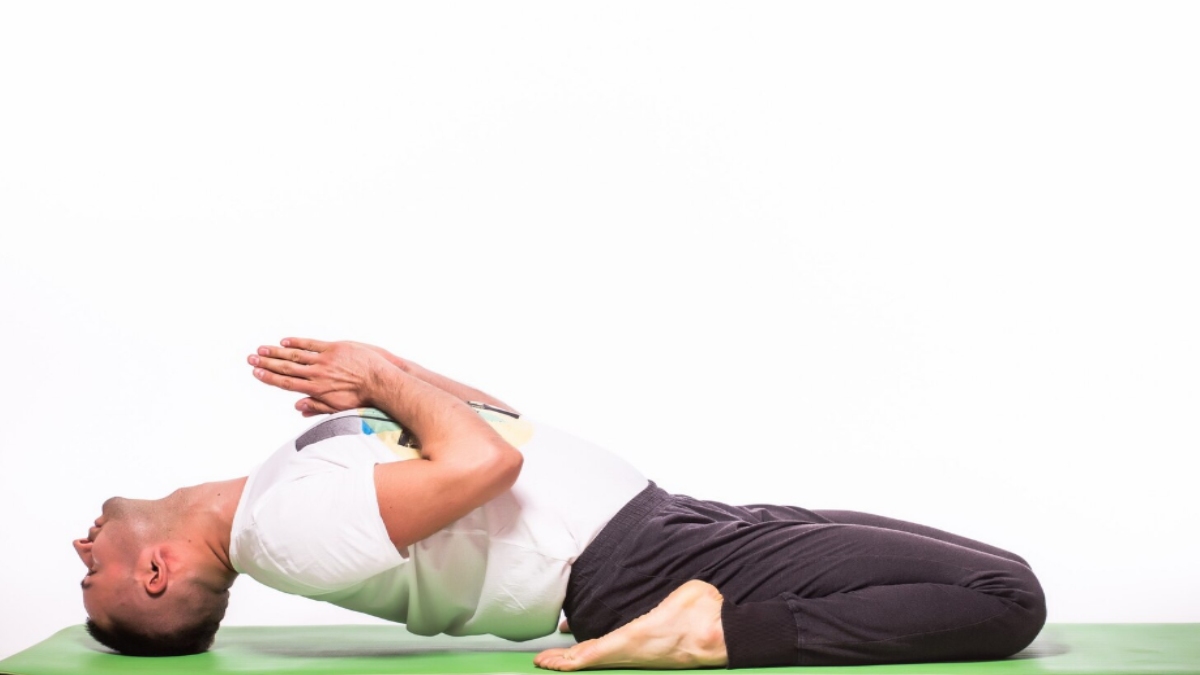
Whether you are completely new to yoga or have practiced a little bit in the past, knowing the basics can help you approach it safely and realistically.
Yoga is more than physical exercise
Yoga is not just about doing hard poses. Traditional yoga encompasses physical, mental and contemplative practices.
Related Articles
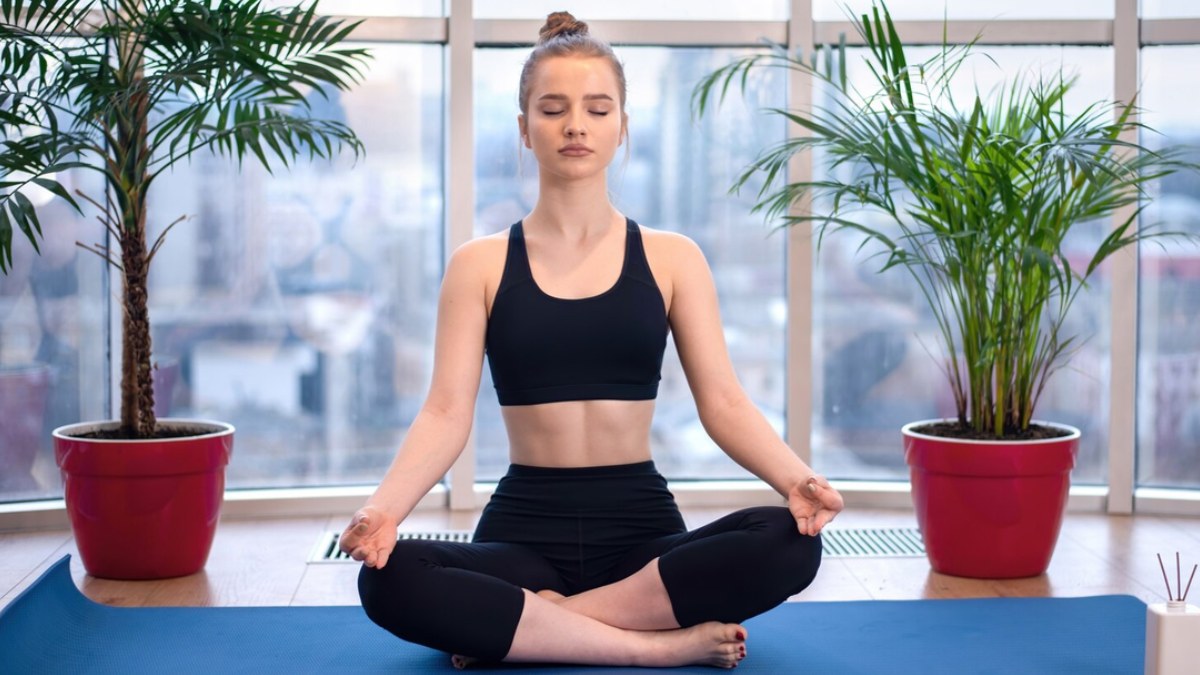
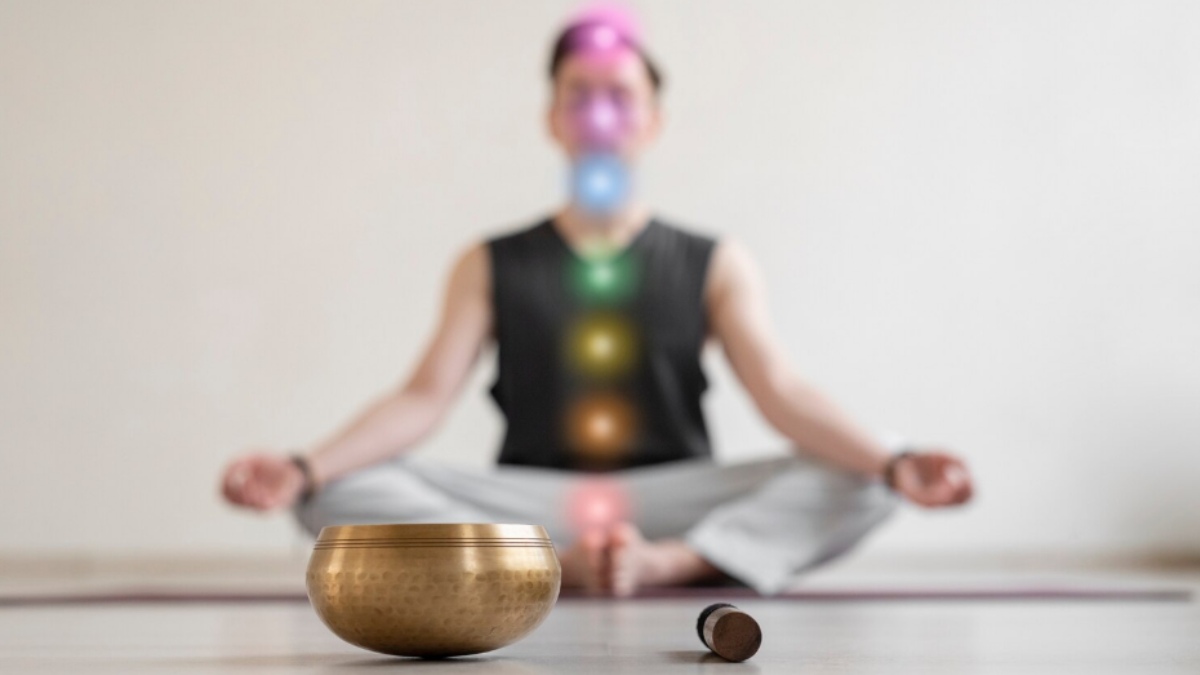
In modern yoga, we do postures (asanas) and breathing and relaxation are the focus of many classes. In different styles, a session can be gentle and restorative or physically demanding.
The aim is not to do advanced poses or to achieve a high-end pose. Yoga can be viewed in terms of body awareness and mobility, strength and relaxation.
Yoga Can Improve Flexibility and Mobility
Regular yoga practice can help improve flexibility and range of motion. Many poses involve controlled movements and sustained positions that encourage muscles and joints to move through comfortable ranges.
Related Articles
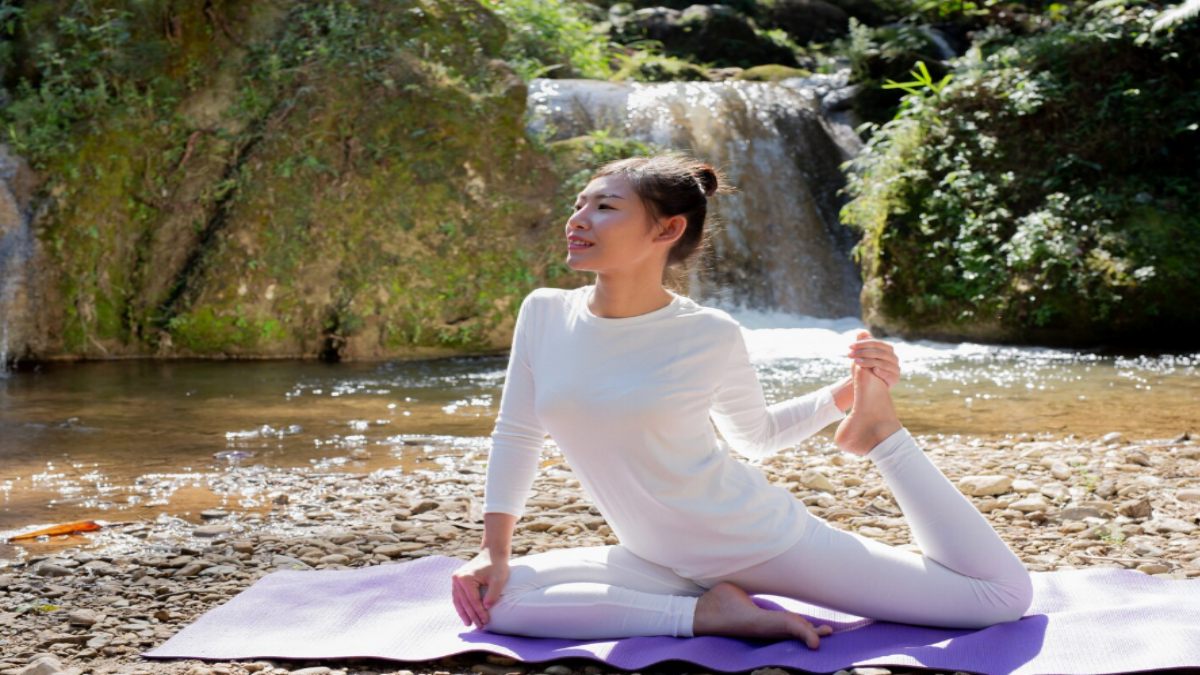
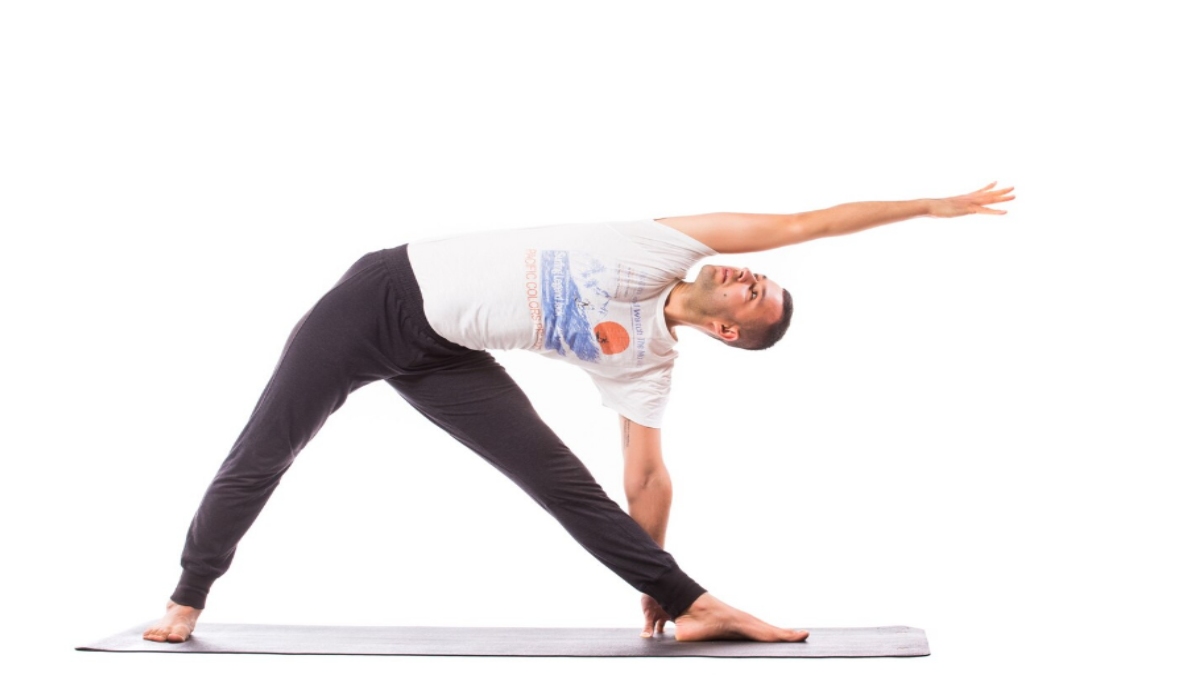
Greater mobility for people who spend long hours sitting at a desk or doing daily activities can be very helpful. And yet flexibility is subjective to each person and one must be patient.
Balance and strength matter too
Yoga is not just stretching. Many postures require the body to support its own weight as well as the stamina and stability needed to maintain the position.
Courses in standing poses and balance exercises can be challenging for the legs and core, while other positions engage the shoulders, arms and back. Better balance is also associated with functional fitness as people age, and greater balance can be beneficial for overall health.
Yoga May Help With Stress
Breathing exercises, mindful movement and relaxation are all incorporated in yoga practice. These elements may help some people handle everyday stress and help them feel more calm.
Slow, controlled breathing can also help practitioners focus their attention on the present moment. Yoga shouldn’t be considered a substitute for professional treatment of anxiety, depression or other mental health complications; it can help a person in some way with the overall wellness routine.
Different types of Yoga
Not every yoga class is the same for everybody. Styles can be very different and pace, intensity and focus can vary dramatically.
Hatha yoga is often about slower-paced physical postures and breathing exercises. Vinyasa yoga is commonly associated with movement and breath in a flowing sequence. Ashtanga is more structured and physically demanding, while Yin yoga typically involves longer-held poses with an emphasis on relaxation and mobility.
Restorative yoga uses supportive props and gentle positions to encourage relaxation. Beginners may want to try different styles to discover what feels comfortable and enjoyable.
You Do Not Need to Be Flexible to Begin
A common misconception is that you must already be flexible to practice yoga. In reality, yoga can be adapted to different fitness levels and physical abilities.
Blocks, straps, cushions or chairs can make some poses more accessible. A qualified instructor can also provide modifications based on your experience and physical needs.
Avoid comparing your body with people in advanced classes or social media videos. Yoga is a personal activity and forcing your body into a position just to imitate someone else can cause injury.
Yoga Safety Is Important
While yoga is considered a low-impact activity, injuries can occur, particularly when poses are performed incorrectly or pushed beyond comfortable limits.
Start slowly, warm up properly and pay attention to pain. There may be a nice stretching sensation in some poses, but sharp or persistent pain is a reason to stop.
People with existing injuries, significant medical conditions, pregnancy-related concerns or other specific health considerations should seek appropriate professional guidance about modifications.
Consistency is more important than perfection.
You don’t need to spend an hour a day on a yoga mat to enjoy the benefits of regular movement. A short, regular practice can be much easier to follow than an ambitious one that can quickly become overwhelming.
Even 10 to 20 minutes of mindful movement, breathing or stretching can be part of a whole life of healthy living. And you can gradually increase the duration or intensity as you go along.
Yoga is flexible, accessible and far more versatile than advanced poses or impressive flexibility. It can combine movement, breathing, balance, strength, mindfulness and relaxation in one practice.
The most effective yoga routine is one that is compatible with you and fits comfortably into your lifestyle. Begin from where you are, progress gradually and focus on how your body feels rather than competing with others. With patience and consistency, yoga can become a valuable part of a balanced approach to physical and mental well-being.




Comments 0