
Yoga is often described as a mind-body practice because it combines physical postures, controlled breathing and elements of focused attention. Although many people begin yoga to improve flexibility or fitness, regular practice can influence several aspects of physical and mental wellbeing. The effects can vary depending on the style of yoga, intensity, frequency and an individual's health and fitness level.
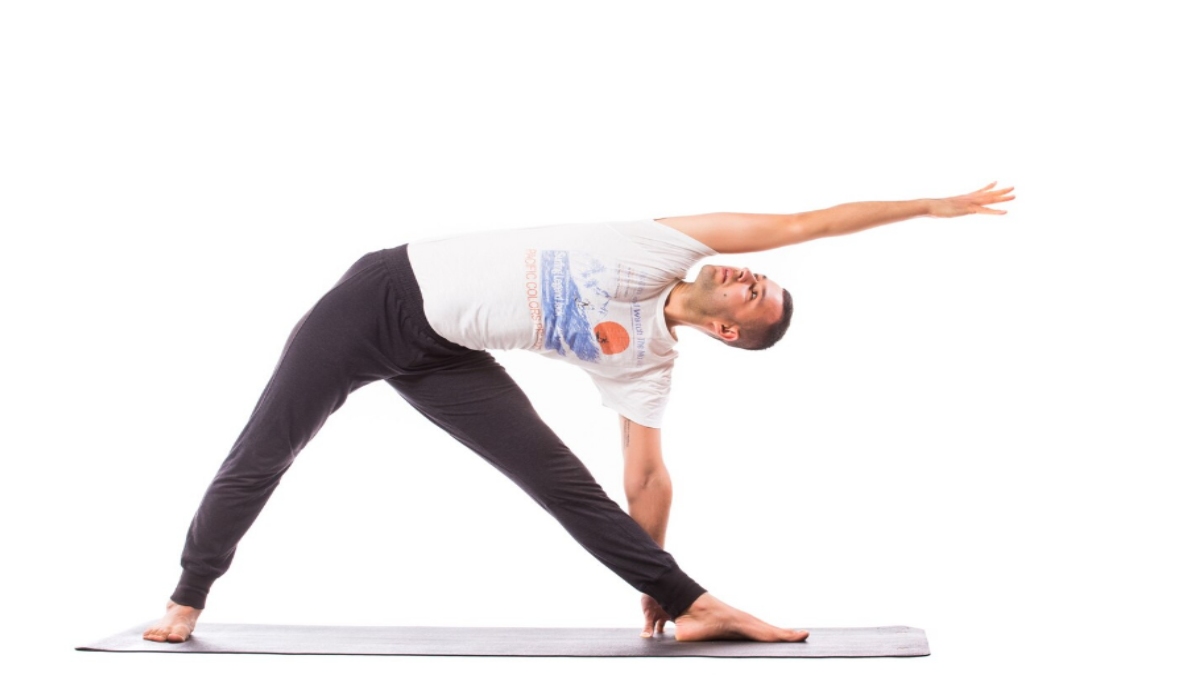
From improving mobility and balance to encouraging relaxation, yoga can be a valuable addition to an overall healthy lifestyle. However, it should complement rather than replace appropriate medical treatment when a health condition is present.
Yoga Can Improve Flexibility
One of the most noticeable effects of regular yoga practice is improved flexibility. Many yoga postures involve gradually moving joints and muscles through different ranges of motion.
Related Articles
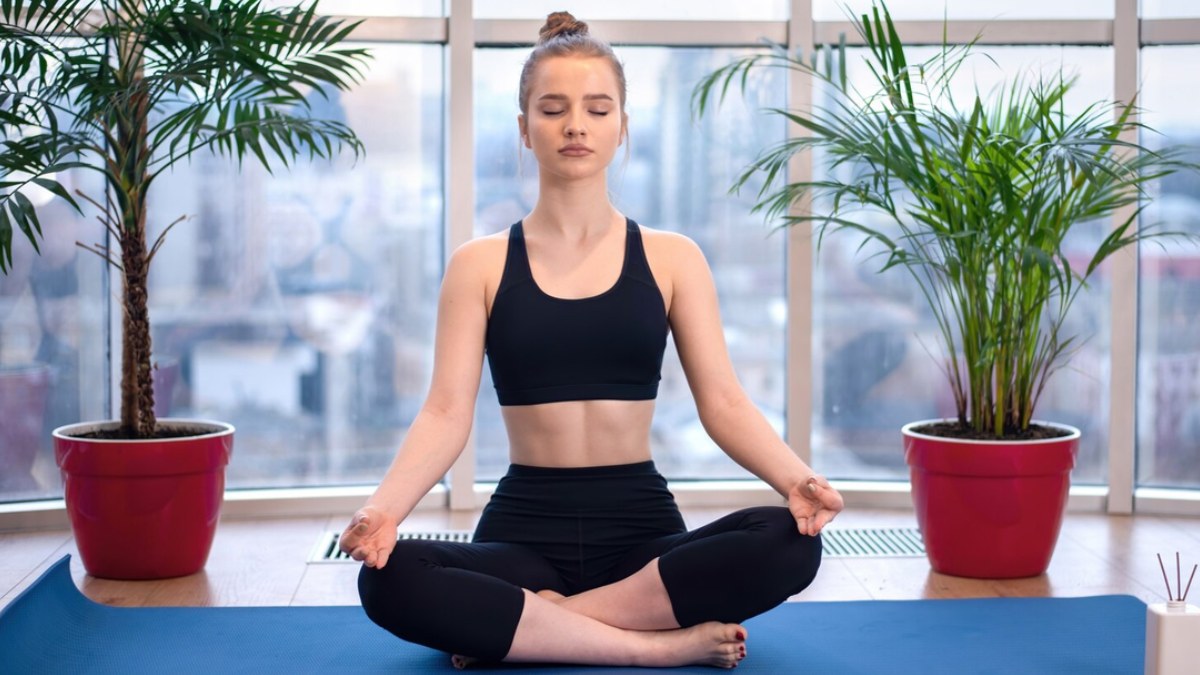
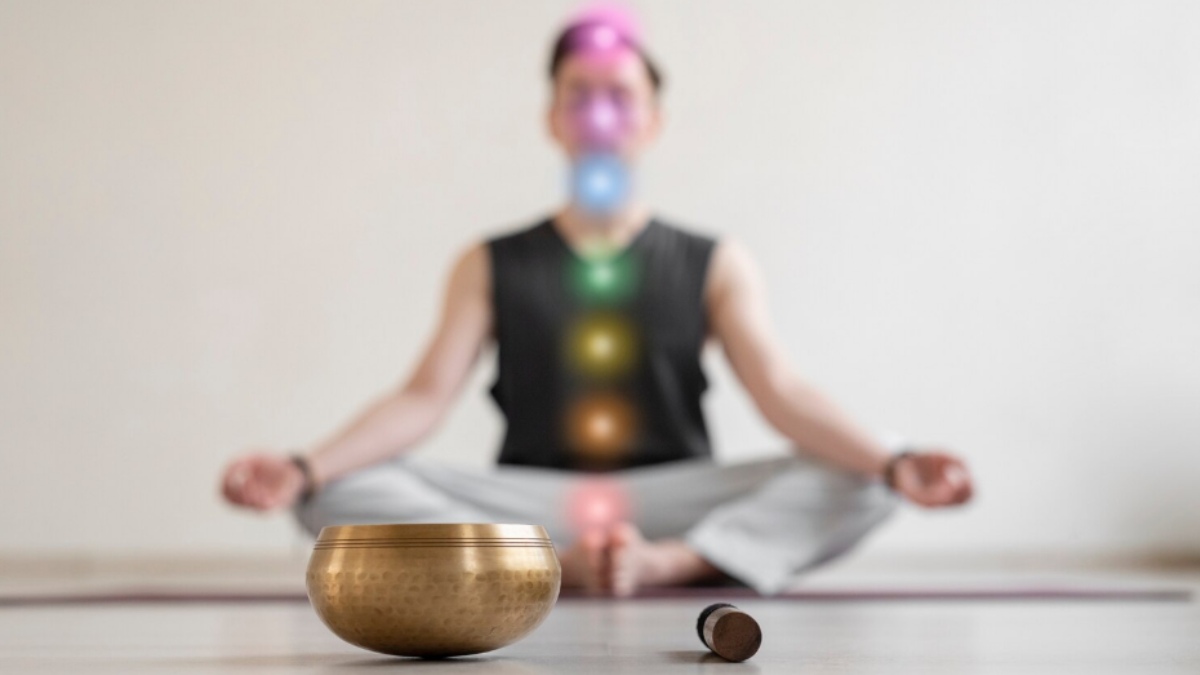
With consistent practice, muscles and connective tissues may become more accustomed to stretching. Better flexibility can make everyday movements feel more comfortable and may support mobility as people age.
It is important not to force a posture. Flexibility develops gradually, and pushing beyond a comfortable range can increase the risk of injury.
It Can Build Strength
Yoga is not only about stretching. Many postures require the body to support its own weight, helping develop muscular strength and endurance.
Related Articles
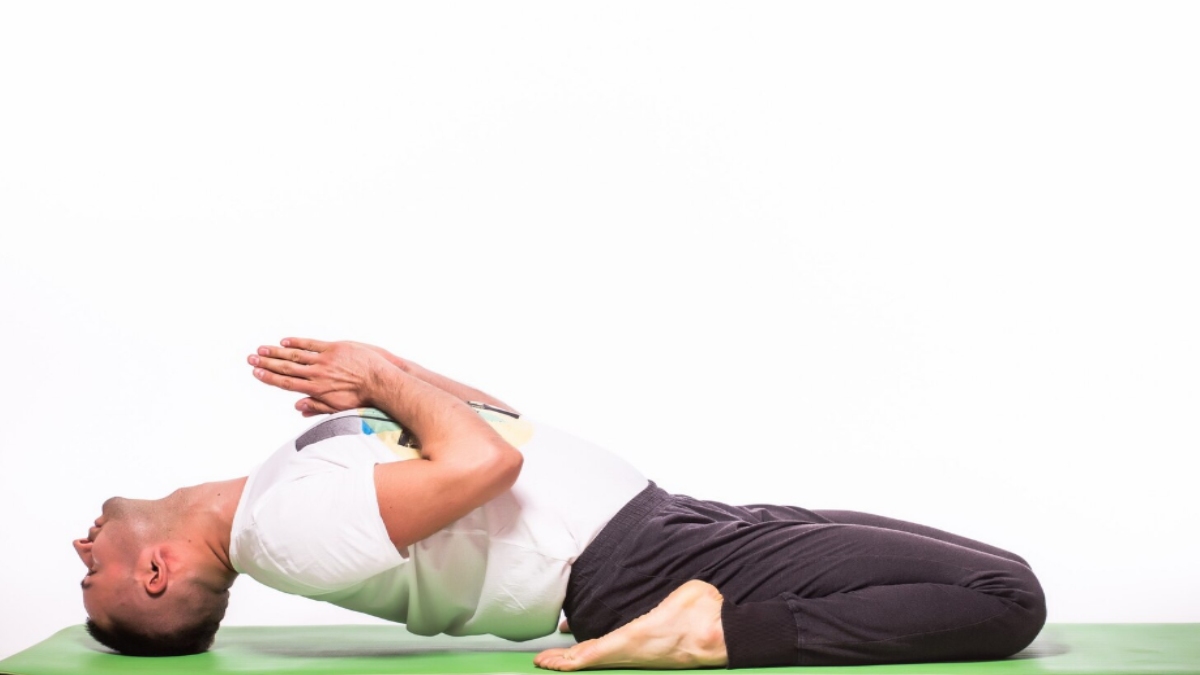
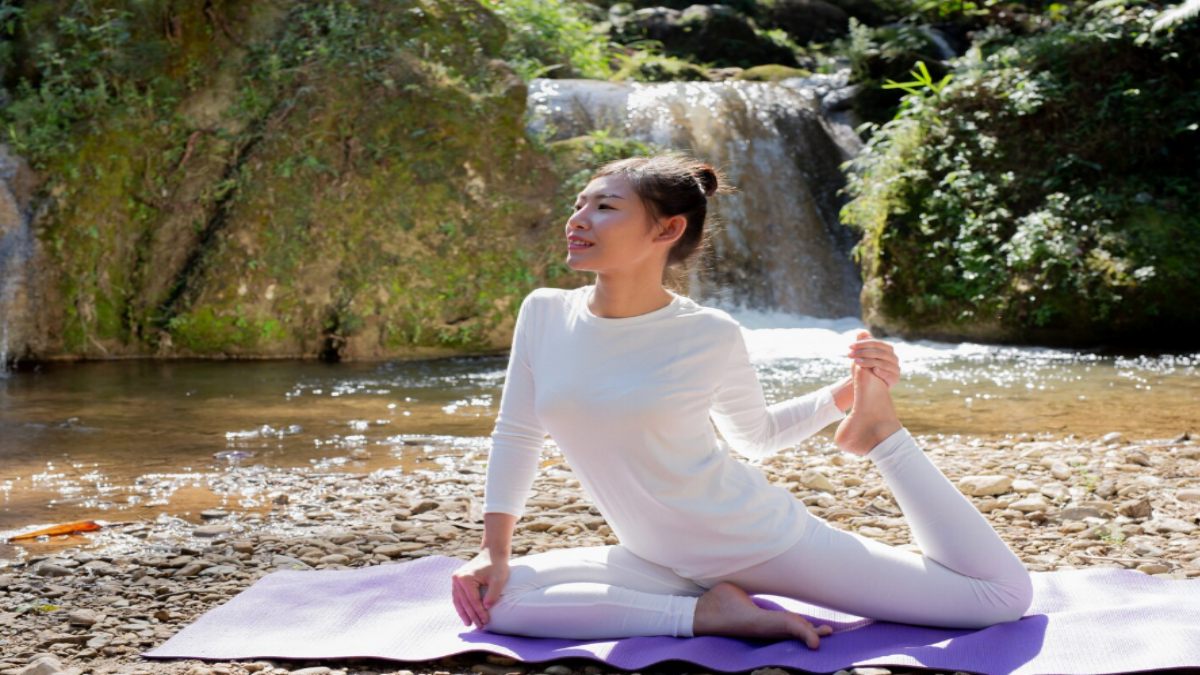
Positions such as plank, chair pose and various standing balances can challenge the legs, core, shoulders and arms. More vigorous styles may provide a greater physical workout, while gentler practices can still improve muscular control and stability.
Yoga Supports Balance and Coordination
Balance can become increasingly important as people get older. Yoga includes standing and balancing postures that require concentration and coordination.
Practising these movements can help people become more aware of body position and movement. Improved balance can be particularly useful in everyday activities such as walking, climbing stairs and changing direction.
Beginners should use a wall, chair or other appropriate support when practising balance poses if needed.
It May Support Better Posture
Modern lifestyles often involve prolonged sitting, computer use and smartphone use. Spending long periods in one position can contribute to stiffness and poor movement habits.
Yoga encourages awareness of spinal alignment, muscle engagement and body position. Strengthening the core and upper body while improving mobility may help people develop healthier movement patterns.
However, posture is influenced by many factors, and yoga should not be viewed as a guaranteed solution for chronic pain or structural problems.
Yoga Can Encourage Relaxation
The effects of yoga are not limited to muscles and joints. Breathing exercises and mindful movement can encourage people to slow down and focus their attention on the present moment.
A gentle yoga session may provide a useful break from work, screens and daily responsibilities. Relaxation-focused practices can be especially appealing after a stressful day.
Regular physical activity and relaxation techniques may support stress management, although persistent or severe anxiety and stress should be discussed with an appropriate healthcare professional.
It May Help With Sleep
Sleep can be affected by stress, physical discomfort, irregular schedules and many other factors. For some people, incorporating gentle stretching and breathing exercises into an evening routine may create a calming transition toward bedtime.
Yoga is not a guaranteed treatment for sleep disorders, but developing a consistent wind-down routine can support healthy sleep habits.
Yoga and Breathing
Breathing is a central component of many yoga traditions. Practitioners may coordinate breathing with movement or use specific breathing exercises during a session.
Paying attention to slow, comfortable breathing can help people become more aware of how they respond to stress. However, breathing exercises should never be forced or performed in a way that causes dizziness, discomfort or breathlessness.
People with certain medical or respiratory conditions should seek professional guidance about appropriate breathing practices.
Supporting Mind-Body Awareness
One of yoga's distinctive features is its emphasis on paying attention to physical sensations. Rather than moving automatically through an exercise, practitioners are encouraged to notice breathing, muscle tension, balance and comfort.
This increased body awareness may help people recognise when they are becoming tense or when they need to rest. It can also encourage a more mindful approach to physical activity.
How to Practise Yoga Safely
Yoga can be adapted for different ages and fitness levels, but technique matters. Beginners should consider learning from a qualified instructor, particularly when attempting more demanding poses.
Start gradually and avoid comparing your flexibility or strength with other people. Pain is not a requirement for effective yoga. Modifications can make postures more accessible and reduce unnecessary strain.
Anyone recovering from an injury, living with a chronic condition, pregnant, or experiencing significant pain should seek appropriate medical advice before starting or changing an exercise routine.
A Holistic Addition to a Healthy Lifestyle
Yoga can influence the body in several ways, including flexibility, muscular strength, balance, mobility, body awareness and relaxation. Its combination of movement and focused breathing also makes it appealing to people seeking a more mindful approach to fitness.
The greatest benefits are likely to come from a practice that is safe, enjoyable and sustainable. Yoga does not need to involve complicated poses or lengthy sessions to become part of a healthy routine.
Ultimately, yoga works best as one component of a broader approach to wellbeing that includes nutritious food, regular physical activity, adequate sleep, preventive healthcare and appropriate medical support when needed. With consistent and mindful practice, yoga can help people build a stronger connection between physical health and everyday wellbeing.




Comments 0