
Yoga is often associated with flexibility, stretching and graceful poses, but its potential benefits go beyond simply being able to touch your toes or hold a challenging posture.
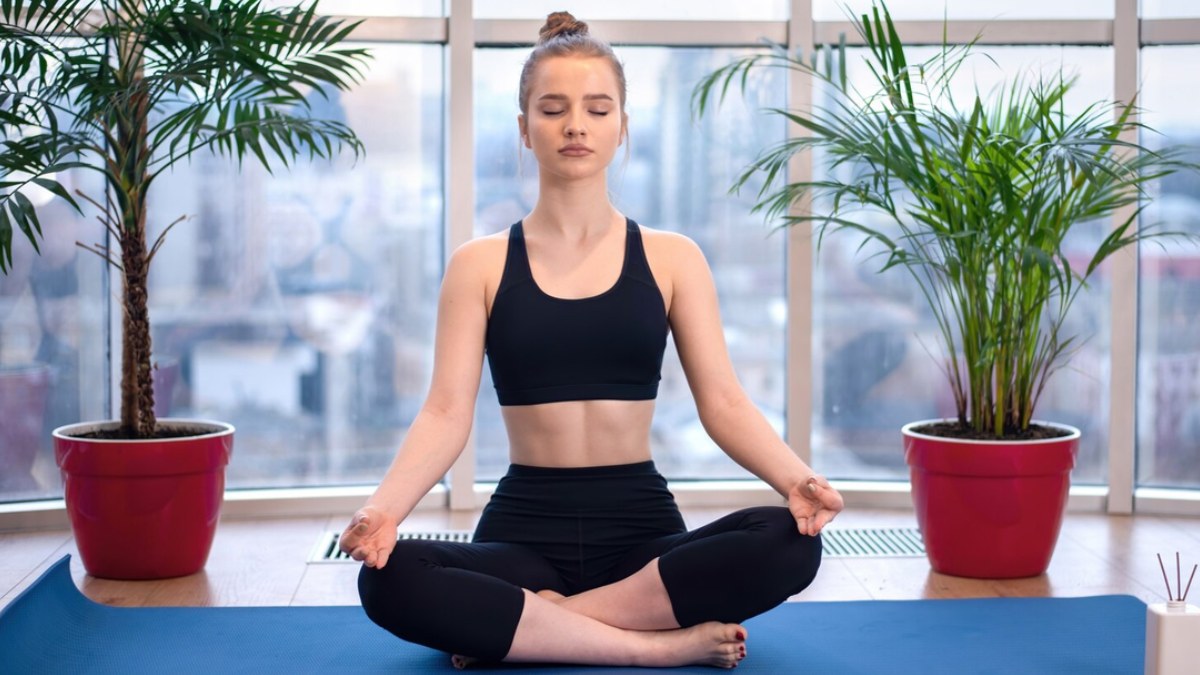
As a mind-body practice, yoga combines physical movement, controlled breathing, balance, concentration and relaxation. If used consistently and appropriately, it can support muscle strength, stress management, mobility and overall quality of life.
Yoga can be adapted to a range of fitness levels as well as fitness preferences. It is more than just physical: yoga teaches me not only to observe and respond to how my body moves (and my mind) as well but also makes physical performance come to mind.
Related Articles
Supporting Muscle Strength
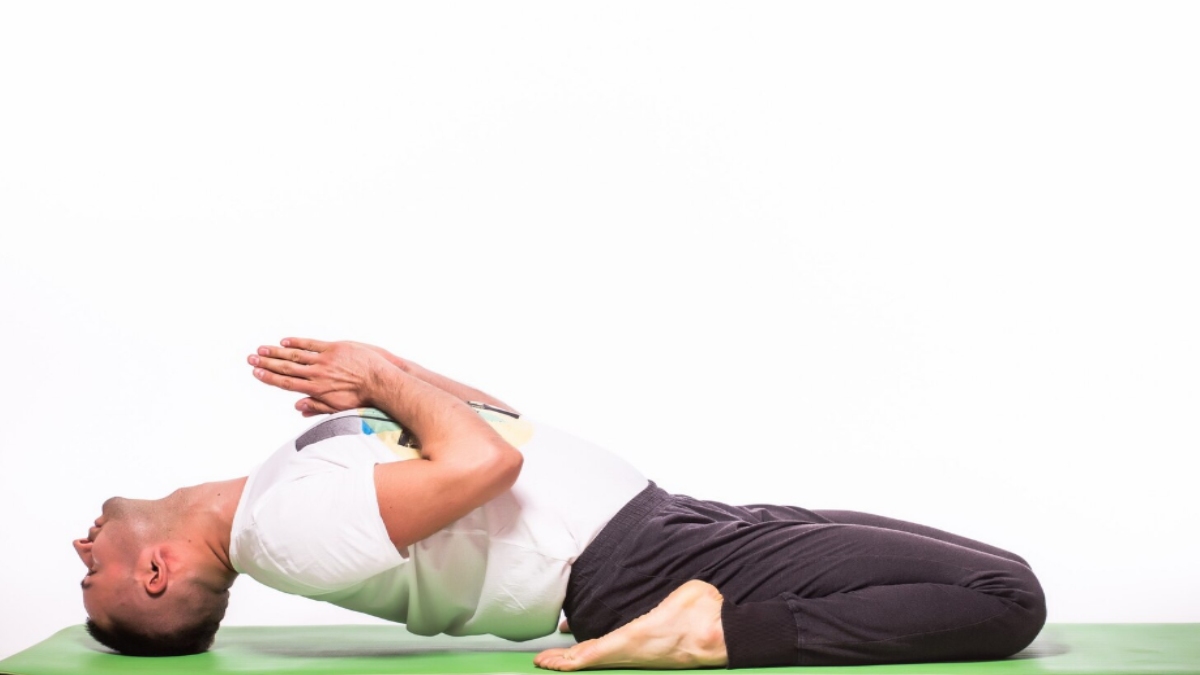
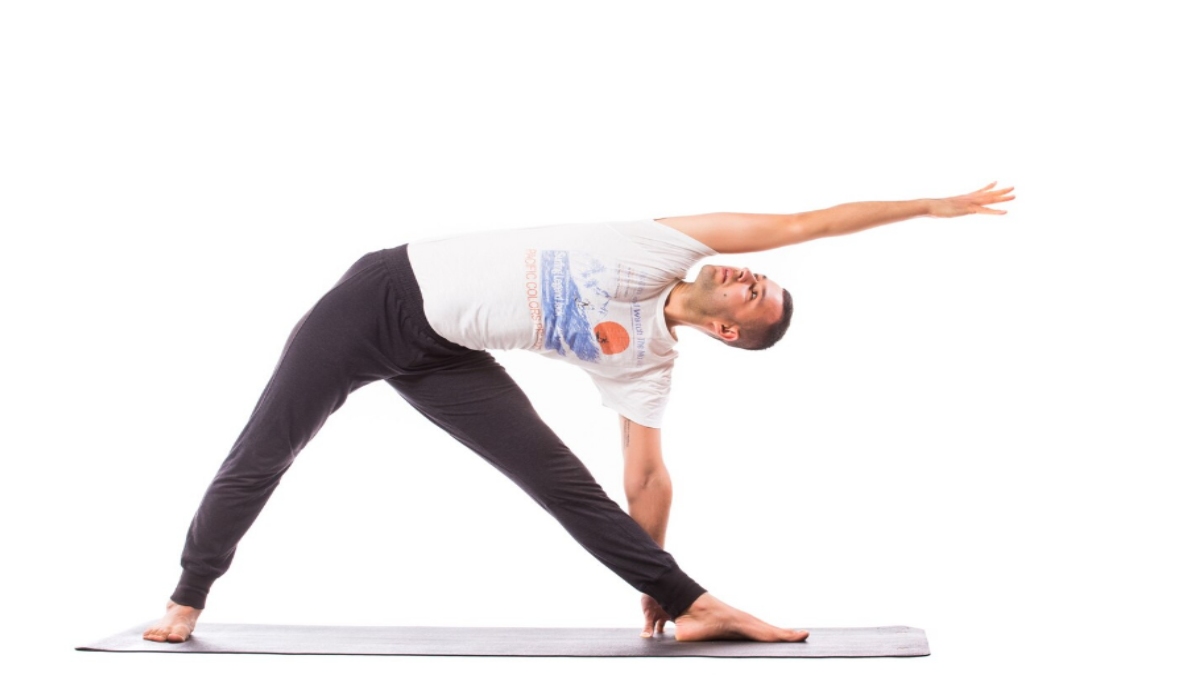
Although yoga is often considered a stretching exercise, many poses require the body to support and control its own weight. Planks, chair poses and a variety of standing balances will engage the legs, arms, shoulders, back and abdominal muscles.
For a long time, holding a posture will be challenging to muscular stamina and moving between poses will be difficult and require coordination and control to do so. After practice, functional flexibility and body awareness will develop with repetition.
The emphasis should not be on performing the most difficult pose. Pushing oneself is more important than trying to imitate high-level practitioners in any way.
Related Articles
Yoga and Stress Management
Yoga is one of the most popular, and very much a stress management therapy. Today’s society is full of school, work, technology, social commitments and a lot of pressure. So a lot of time to slow down is valuable.
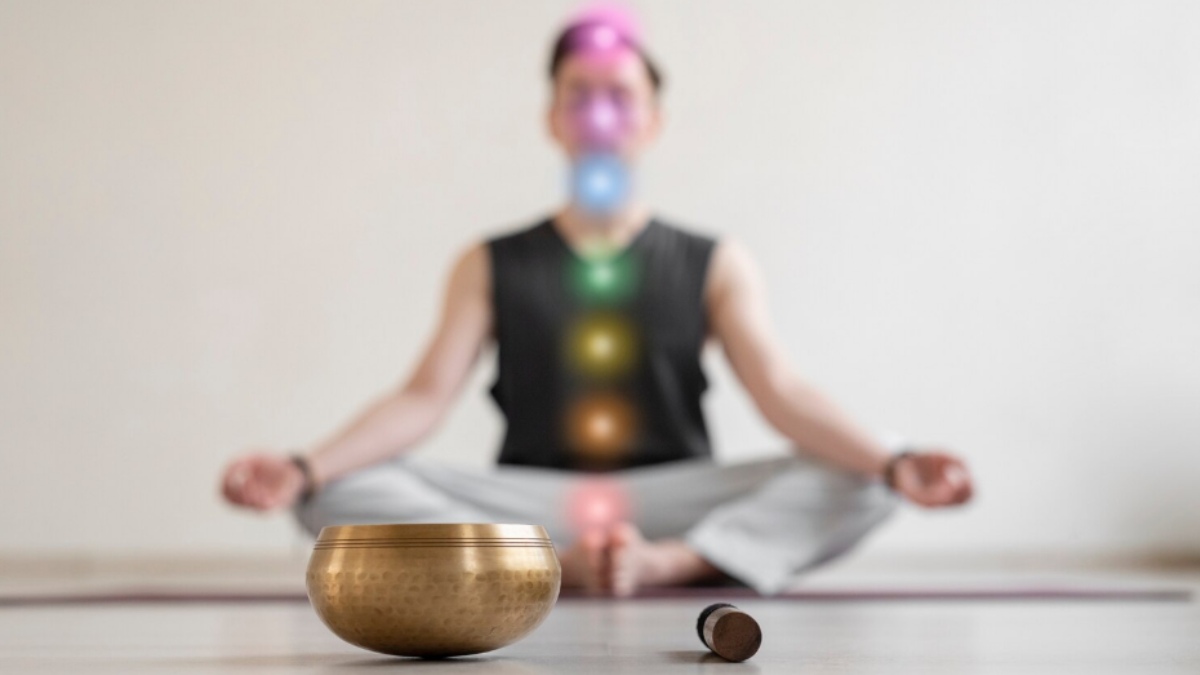
Breathing and meditation are commonly incorporated into yoga sessions and periods of attention for a period of time. Breathing and movement can help people to lose themselves in an awareness of a moment (and in the next moment and in the long run) to not think about a past.
A calm yoga session might also provide an opportunity to establish a relaxing routine. Yoga is not a substitute for professional help when someone is experiencing significant emotional difficulties, but it can be part of a healthy approach to managing everyday stress.
Balancing and Body Awareness
Yoga is about balance, coordination and transitions. Training these skills in this area will increase our awareness of body position and movement.
Balance-based exercise can also help concentration. Rather than rushing through movements, practitioners are encouraged to pay attention to alignment, breathing and stability.
Lately, we have seen people’s body awareness really raise their level of body awareness and how they become aware of when they need to slow down or modify an exercise.
Supporting Mobility and Flexibility
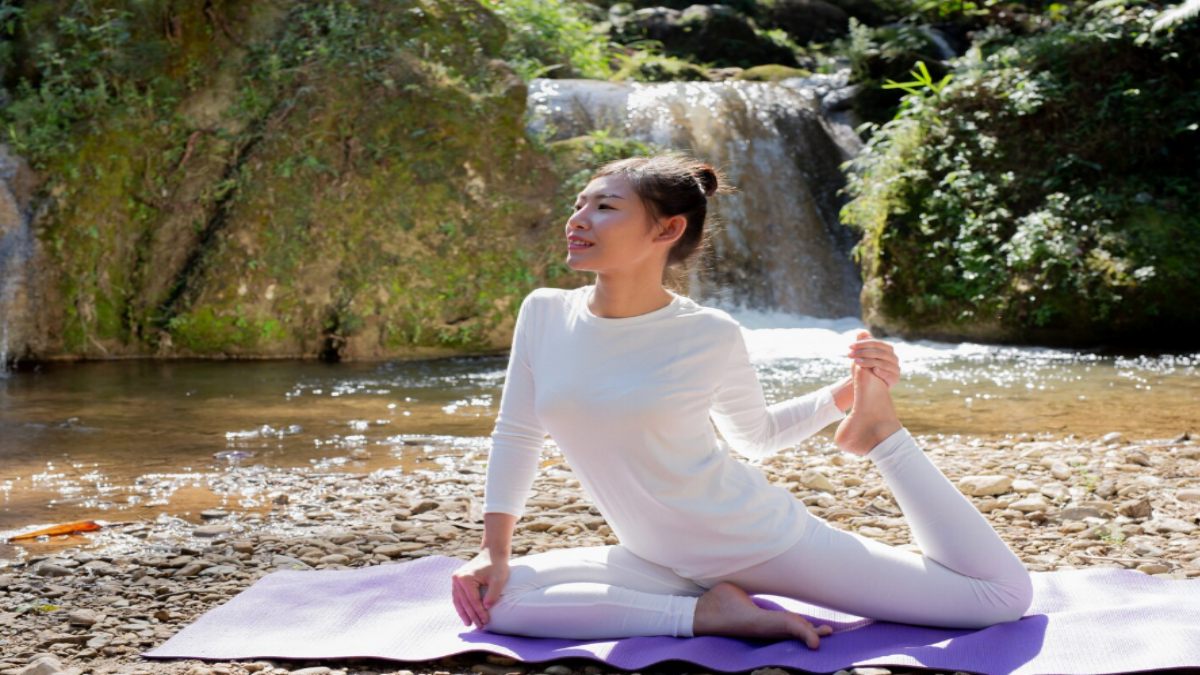
Flexibility is still a big part of yoga, but it is only one part of yoga. Striking a little bit of gentle stretching can help to maintain a comfortable working range of motion, especially when we do that with constant movement.
People should not put themselves in positions that cause pain. Flexibility is different for everyone and progress does not need to be measured by how far someone can stretch.
A sustainable yoga practice must focus on comfortable movement and not a particular appearance or advanced pose.
Good Quality of Life and Everyday Well-Being
Yoga’s benefits can be felt in daily life too because the practice is a movement-mindfulness mix. And so it can lead to a regular routine that would give people the chance to be much more conscious of posture, breathing and physical tension and what’s going on during a day with a regular routine.
Yoga can also offer a structured break from screens and daily responsibilities. Even a short session can be an opportunity to pause, move and refocus.
Social engagement is also important for some people. Group activities or doing exercise with friends can give weight to physical activity (and feel more consistent) and we can see the results.
Yoga as Part of a Routine
There is no one correct way of practicing yoga. Beginners can start with minimal movements and get started with the basics and slowly learn breathing, balance and different postures and how to do yoga.
Consistency is generally more useful than trying to do it every time there is a session. And such a routine also needs to be balanced with other activity, enough rest and healthy habits of daily living.
When starting a new exercise program or if there is an injury or physical condition, anyone with an injury, medical problem or physical limitation should speak with an appropriate healthcare provider and modify the exercise program and the movements to be done when necessary.
More Than Just Stretching
Yoga’s appeal is because it combines physical and mental aspects. It can be a challenge to muscles, assist mobility, build balance, and give you an easy time to relax, so it’s not just flexibility-centered.
The goal is not to master complicated poses. Yoga can be used to move the body, practice controlled breathing and meditate in moments of calm in a busy life.
So yoga can be part of a more holistic approach to physical fitness and quality of life in the area of strength, movement, awareness and relaxation.




Comments 0