
Yoga is often described as a practice that links the body, mind and breath together. Besides physical postures, traditional yoga philosophy also includes concepts such as ‘chakras’, that are energy centres for physical, emotional and spiritual wellbeing.
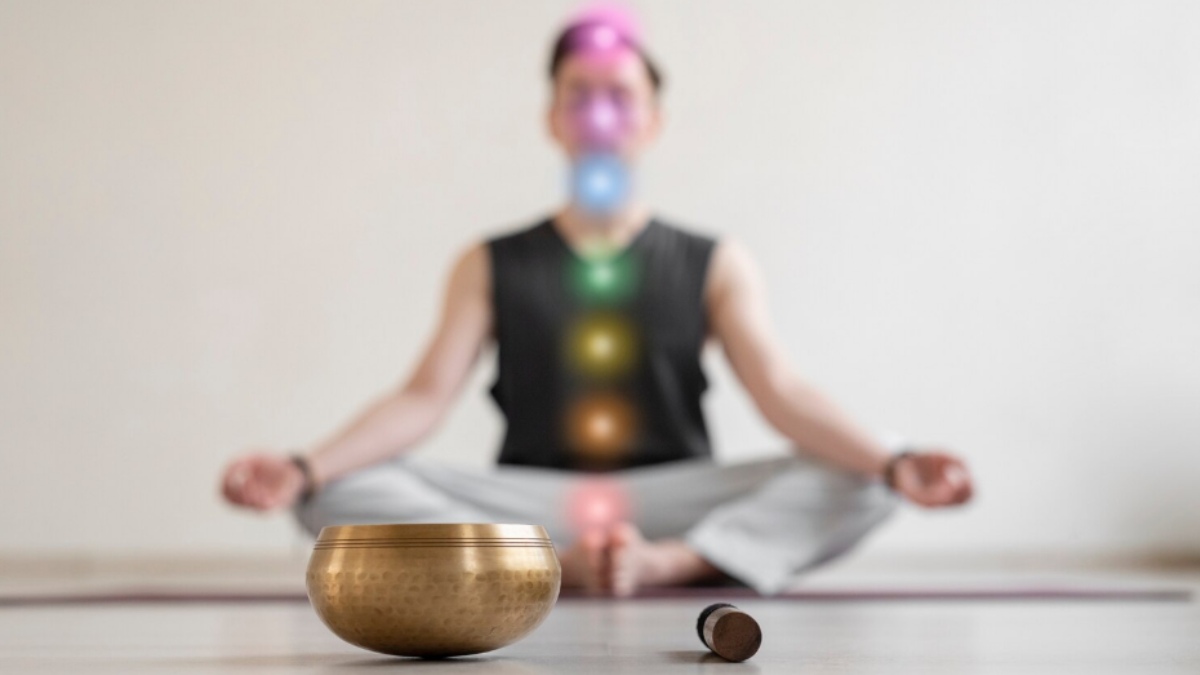
The chakra system is embedded within Indian spiritual traditions and is usually represented by seven central chakras on the central axis of the body. The chakras are not anatomical structures in modern medicine, but are still integral to yoga and meditation.
Understanding how yoga connects to the chakras can offer practitioners a different way of approaching mindfulness, self-awareness, and relaxation.
Related Articles
What are chakras?
The word chakra is derived from Sanskrit and is often translated as the word wheel or disc. Chakras are seen as subtle energy centers.
The seven commonly discussed chakras are Muladhara (root), Svadhisthana (sacral), Manipura (solar plexus), Anahata (heart), Vishuddha (throat), Ajna (third eye), Sahasrara (crown).
Each is associated with a particular quality, feelings and areas of awareness.
Related Articles
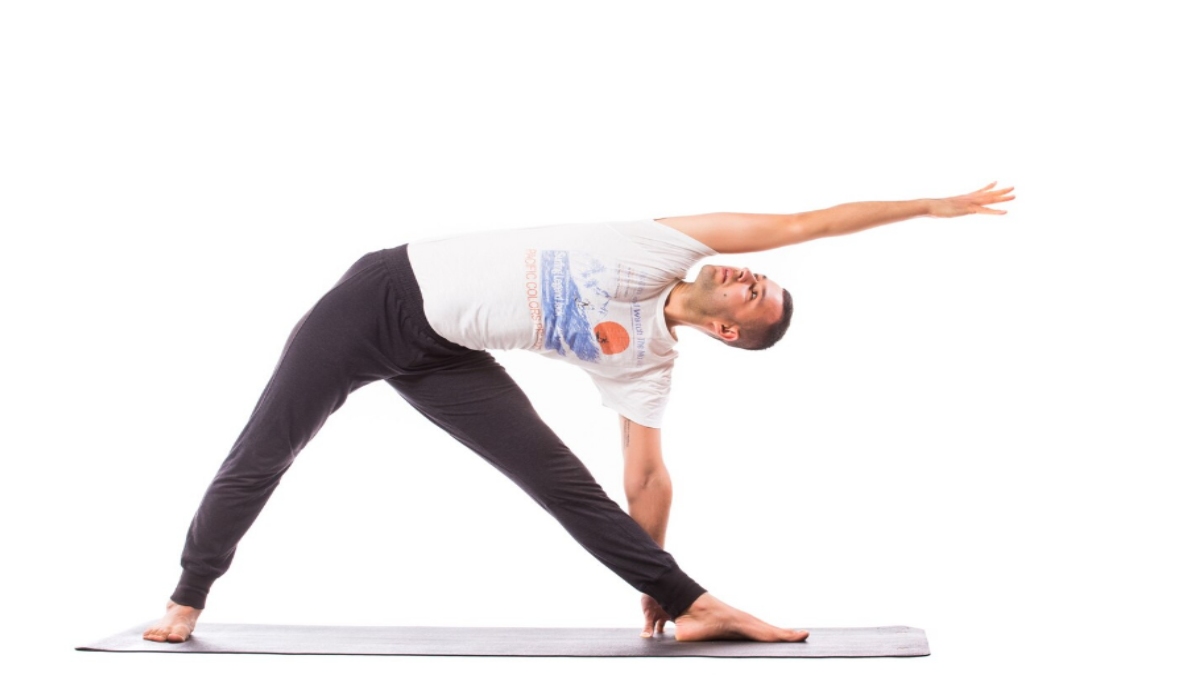
How does yoga connect with the chakras?
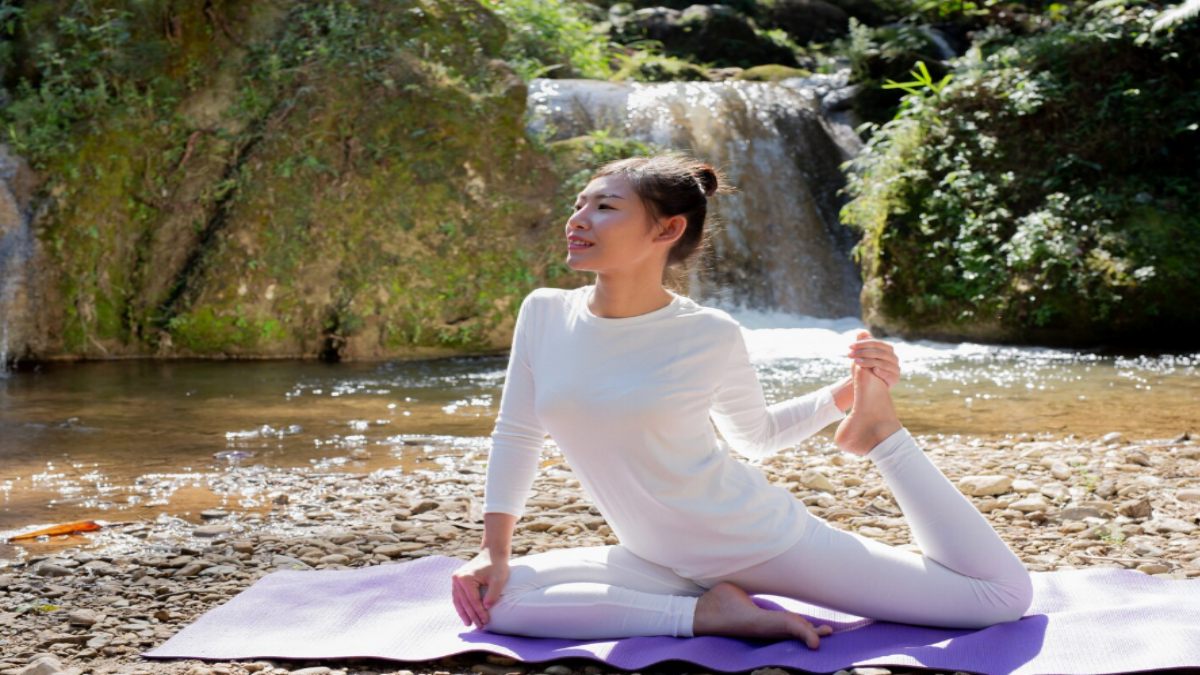
Yoga can be combined with traditional chakra-based practices to promote concentration and introspection. Different asanas could be associated with specific chakra regions, but the links to them differ in yoga traditions.
For example, grounding postures like Mountain Pose (Tadasana) can be incorporated into practices focused on the root chakra. Hip-opening postures may be included in sessions centred on the sacral chakra, and twists and core-focused poses may be included in practices related to solar plexus.
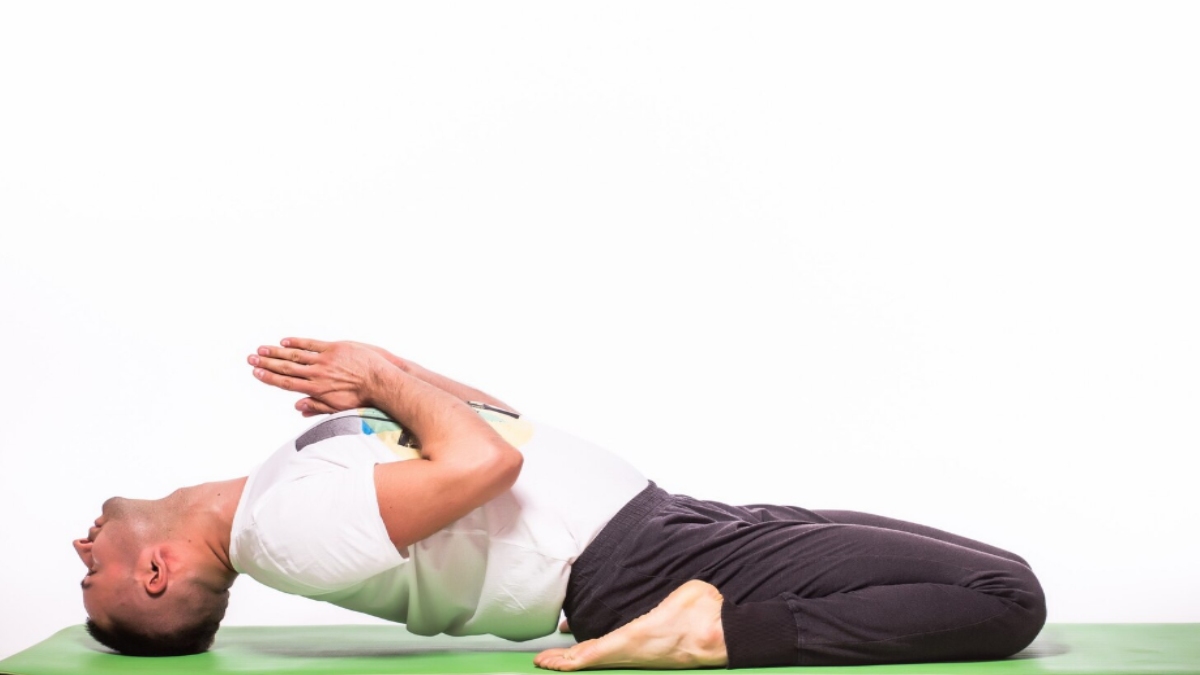
In traditional yoga, heart opening poses such as Cobra Pose or Camel Pose are frequently associated with the heart chakra.
The role of breathing and meditation
The relationship of yoga and chakras goes beyond physical positions. Pranayama, or yogic breathing, is used to regulate and direct attention to breath.
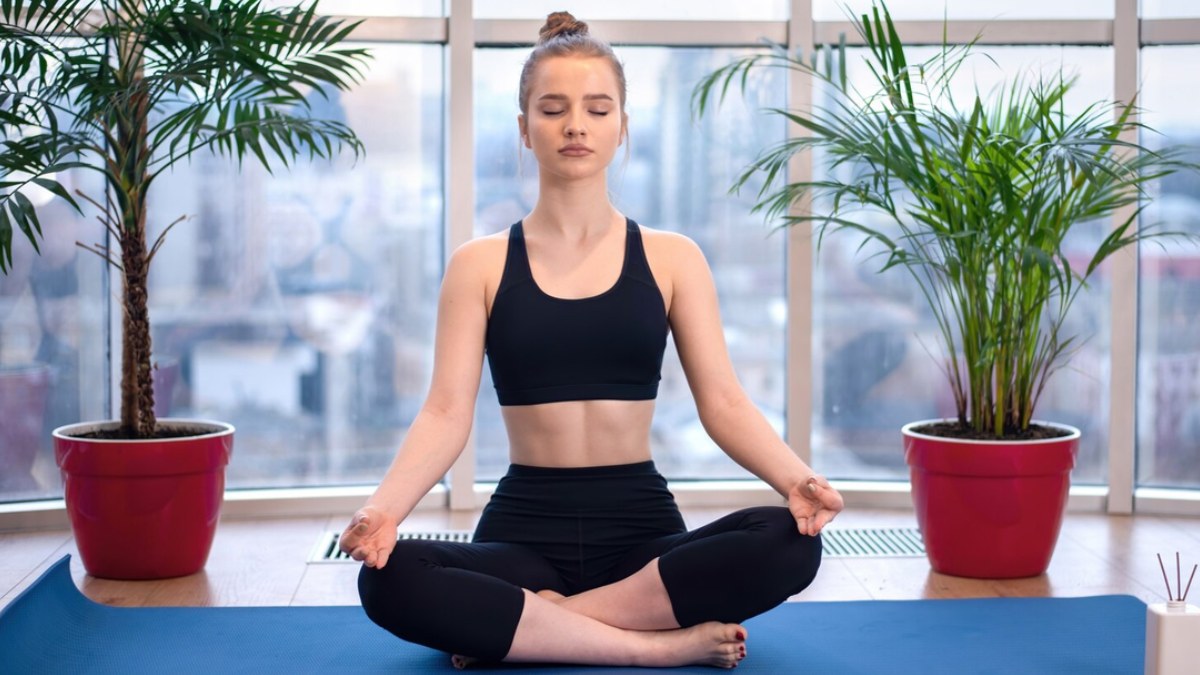
Meditation can also be incorporated in chakra-focused yoga. Practitioners may visualize colours, repeat mantras or focus their attention on a specific area of the body.
These practices can promote relaxation and mindfulness. Slow breathing and meditation can also reduce stress and enhance a person’s awareness of their thoughts and emotions.
Can yoga “balance” the chakras?
In traditional yoga philosophy, practitioners might describe certain practices as restoring balance, activating or harmonising the chakras. But so far, there is no scientific evidence supporting the existence of the chakras as actual energy centres or that specific yoga poses can physically open them.
But chakra-based yoga is best understood as a 'traditional spiritual and mindfulness framework' instead of a medical treatment.
Bringing chakra awareness into your yoga routine
You don’t need to know any deep yoga practice to practise the chakra techniques. An easy routine of asanas, conscious breathing and meditation to relax and reflect can be done.
The most basic part is to practise safely and listen to your body. Yoga can be adapted to different fitness levels and physical abilities.
The relationship between yoga and chakras is in fact a manifestation of yoga’s larger philosophy of connecting physical movement to mental focus and inner awareness. Whether you view chakras as spiritual concepts or simply use them as a mindfulness framework, consciously breathing, moving and meditating helps make your yoga practice a more meaningful one.




Comments 0