Yoga has become a popular part of modern wellness routines, but its appeal goes far beyond physical exercise. Combining movement, breathing and focused attention, yoga can provide an opportunity to care for both the body and the mind. People practice different forms of yoga for many reasons, including improving flexibility, building strength, managing everyday stress and developing greater awareness.
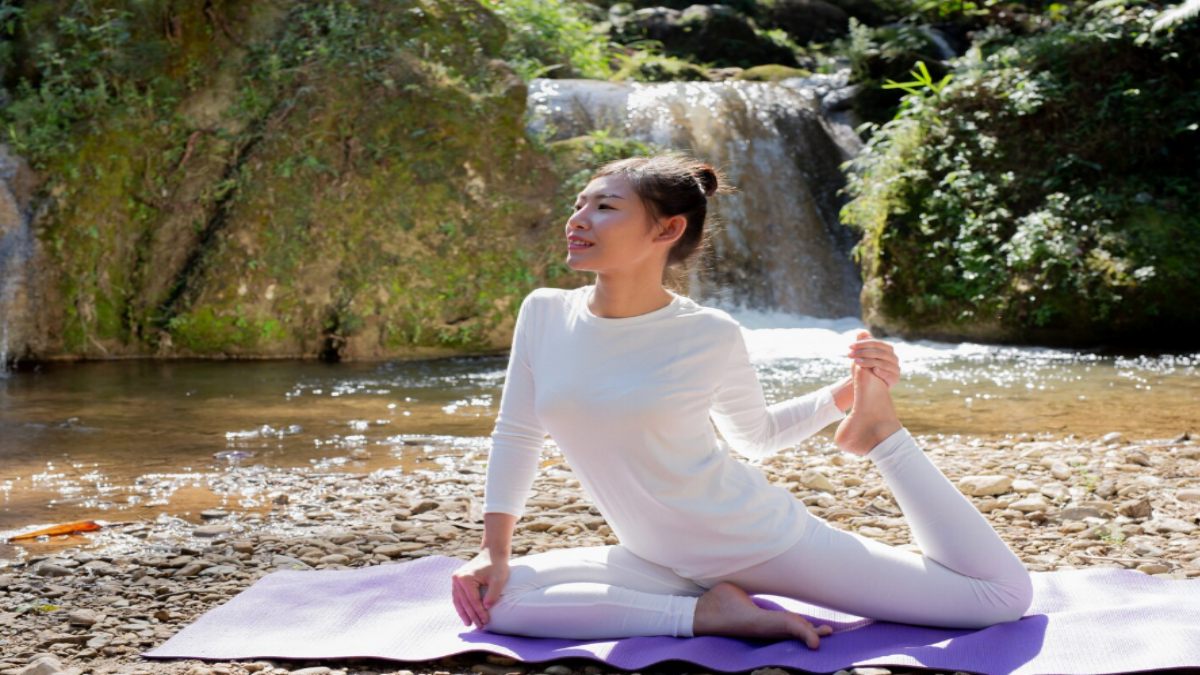
Unlike workouts that focus primarily on physical performance, yoga encourages practitioners to pay attention to how their bodies feel while they move. This mind-body connection is one of the reasons yoga can fit into a wide range of lifestyles and fitness levels.
Yoga Can Improve Flexibility
Flexibility is one of the most commonly associated benefits of yoga. Many yoga poses involve controlled stretching that can gradually improve mobility and range of motion.
Related Articles
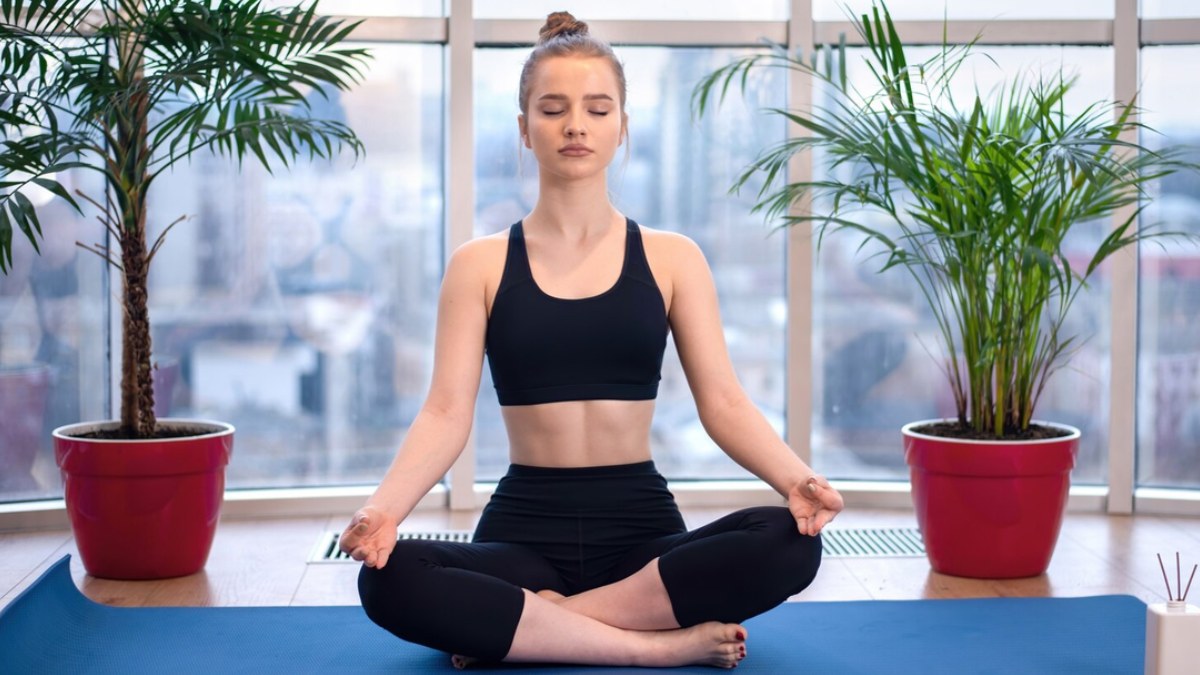
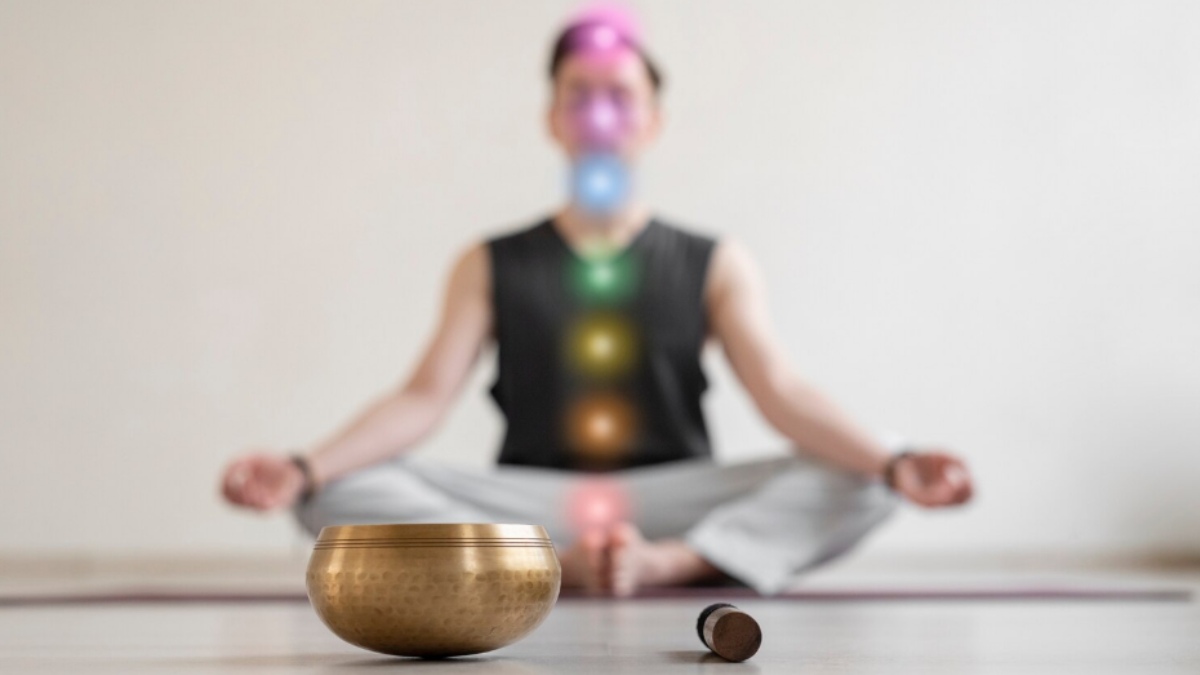
Regular practice may make everyday movements feel more comfortable, particularly for people who spend long periods sitting at a desk. However, flexibility develops at different rates for different people. Beginners should avoid forcing their bodies into deep stretches simply to imitate an advanced pose.
Supports Strength and Balance
Yoga is not only about stretching. Many poses require the muscles to support and stabilise the body. Standing poses, balancing movements and weight-bearing positions can contribute to muscular strength and physical control.
Balance can also become increasingly important as people age. Practising controlled movements and maintaining different positions can help develop body awareness and coordination.
Related Articles
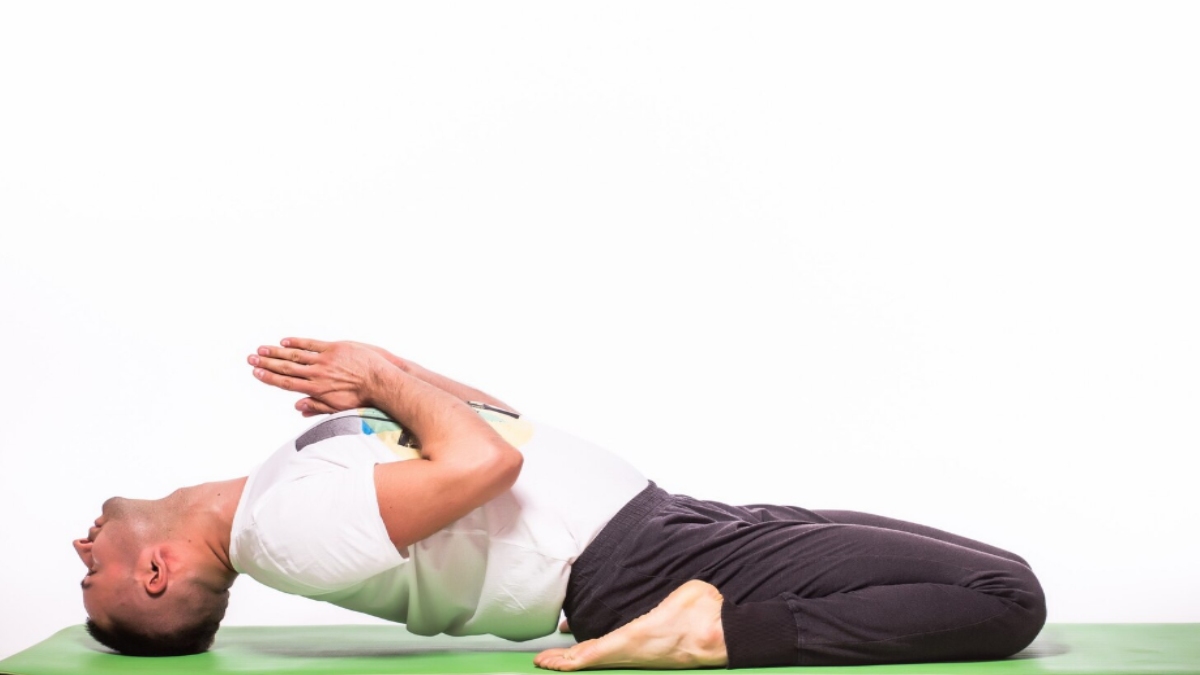
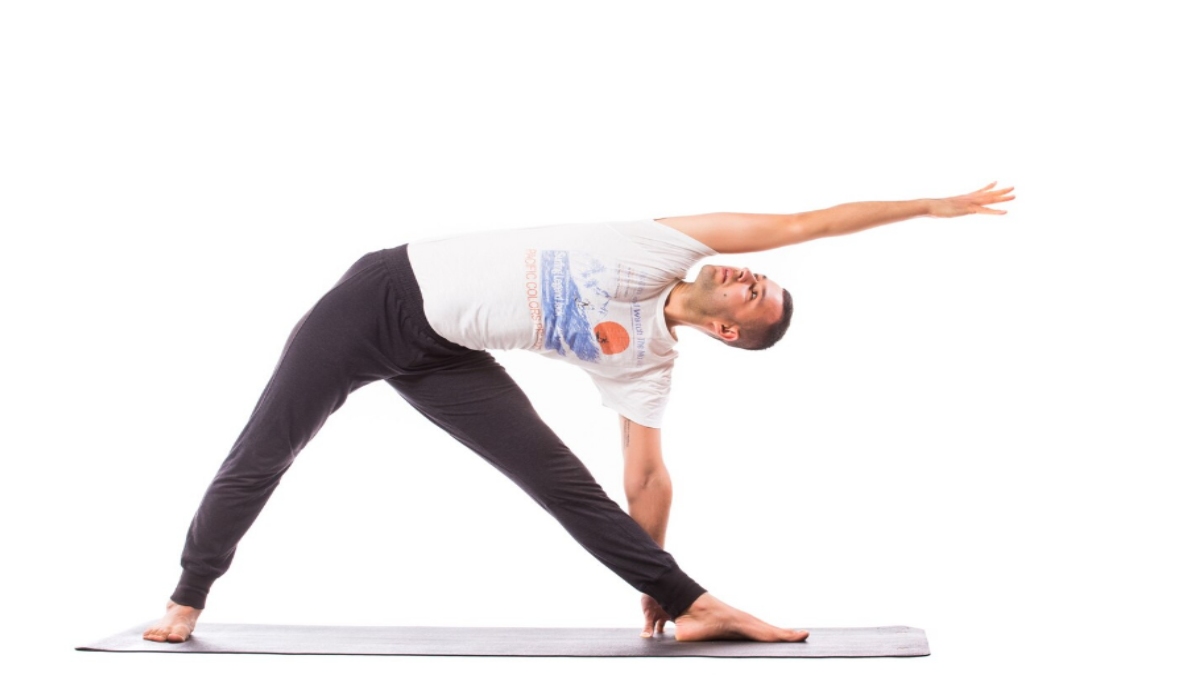
Helps Manage Everyday Stress
Modern lifestyles can involve work pressures, family responsibilities, constant notifications and limited opportunities for rest. Yoga can provide a dedicated period to slow down and focus on breathing and movement.
Gentle yoga combined with relaxation techniques may help people feel calmer after a demanding day. While yoga should not replace professional treatment for anxiety or other mental health conditions, it can be a useful complementary wellness practice for some people.
Encourages Mindfulness
Mindfulness involves paying attention to the present moment rather than constantly thinking about the past or worrying about the future. Yoga can naturally encourage this type of awareness.
During a session, practitioners may focus on their breathing, posture and physical sensations. This concentration can help reduce distractions and encourage a greater awareness of the body.
With regular practice, some people may find it easier to incorporate moments of mindfulness into everyday activities.
Supports Better Body Awareness
Yoga encourages people to notice how their bodies respond to different movements. This can help practitioners understand their limitations and recognise when they need to slow down.
Developing body awareness is particularly useful because it encourages people to approach exercise with greater patience. Instead of treating discomfort as something that must always be overcome, yoga can teach practitioners to distinguish between a healthy challenge and potentially harmful pain.
Breathing Is an Important Part of Yoga
Breathing techniques are central to many yoga practices. Slow, controlled breathing can help practitioners maintain focus and create a sense of relaxation.
Learning to become more aware of breathing can also be useful outside the yoga mat. During stressful moments, consciously slowing the breath may help some people feel more composed.
Specific breathing practices can vary considerably, so beginners may benefit from learning them from a qualified instructor.
Yoga Can Complement Other Exercise
Yoga does not have to replace strength training, walking, running, swimming or other forms of physical activity. Instead, it can complement them.
For example, an individual who regularly performs strength workouts might use gentle yoga to focus on mobility and relaxation. Someone who spends most of the day sitting could use yoga as an opportunity to introduce regular movement.
The ideal combination depends on individual goals, fitness levels and health circumstances.
Yoga and Sleep
Relaxation and mindfulness practices may also be useful as part of a healthy bedtime routine. Gentle evening yoga can provide a transition between a busy day and a period of rest.
However, sleep quality is influenced by many factors, including stress, lifestyle, environment and underlying health conditions. Yoga should be considered one possible component of a broader approach to healthy sleep rather than a guaranteed solution for insomnia.
Start Slowly and Practise Consistently
People new to yoga do not need to begin with advanced poses or lengthy sessions. Starting with 10 to 20 minutes of gentle practice can be more realistic.
Consistency is often more valuable than intensity. Beginners should focus on learning basic movements, breathing comfortably and gradually developing confidence.
Anyone with an injury, significant medical condition or other health concern should consider speaking with a healthcare professional before beginning a new exercise routine.
The Mind-Body Connection
The positive effects of yoga extend beyond individual poses. Its combination of movement, breathing, concentration and relaxation creates a holistic approach to wellbeing.
Whether your goal is greater flexibility, improved balance, stress management or simply finding a few quiet minutes in a busy day, yoga can become a valuable addition to a healthy lifestyle.
Ultimately, yoga is not about achieving a perfect pose. It is about developing a stronger connection with your body, becoming more aware of your mind and creating space for healthier, more mindful living.




Sign in to ItzLyfe

Your Next Story Starts Here
Get the latest lifestyle stories, horoscope, fashion, travel, cookery, and health updates—all in one place.
By signing in, you agree to our Privacy Policy.
Comments 0