
Yoga has evolved significantly in the modern world. What was once primarily associated with ancient Indian traditions and spiritual practices has become a widely recognised form of exercise, relaxation and wellness. Today, people from different age groups, professions and cultural backgrounds practice yoga for a variety of reasons. Some turn to it to improve flexibility and strength, while others see it as a way to manage stress, develop mindfulness and create a healthier lifestyle.
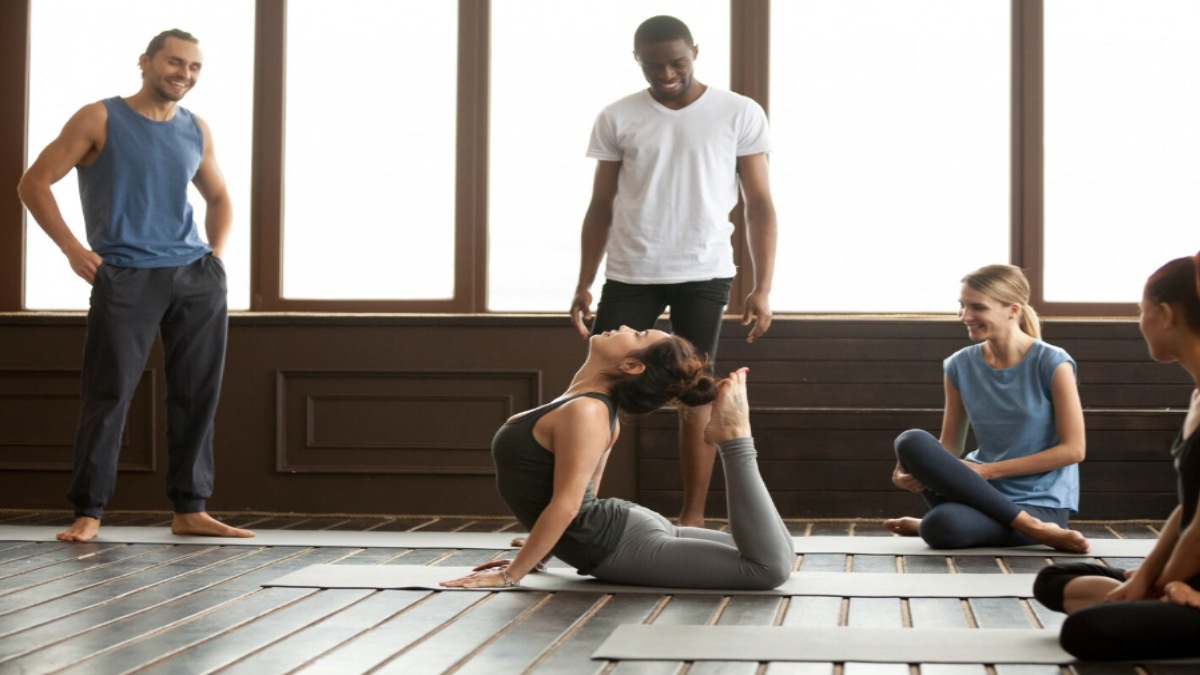
The modern attitude toward yoga is therefore broader than ever. Although many people continue to appreciate its traditional roots, others approach yoga primarily as a practical wellness activity that can fit into a busy contemporary lifestyle.
Yoga as a Form of Physical Fitness
One of the biggest reasons modern people are attracted to yoga is its physical component. Yoga postures can involve stretching, balance, controlled movement and muscular engagement. Depending on the style and intensity, a yoga session can provide a gentle workout or a physically demanding practice.
Related Articles
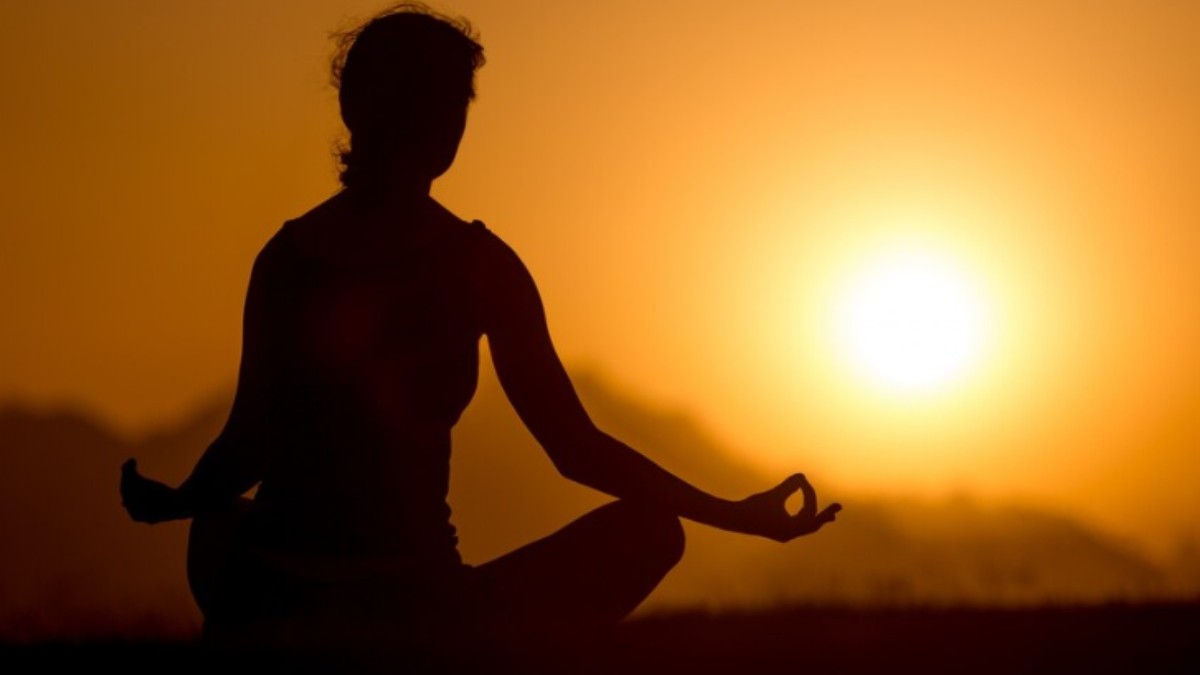
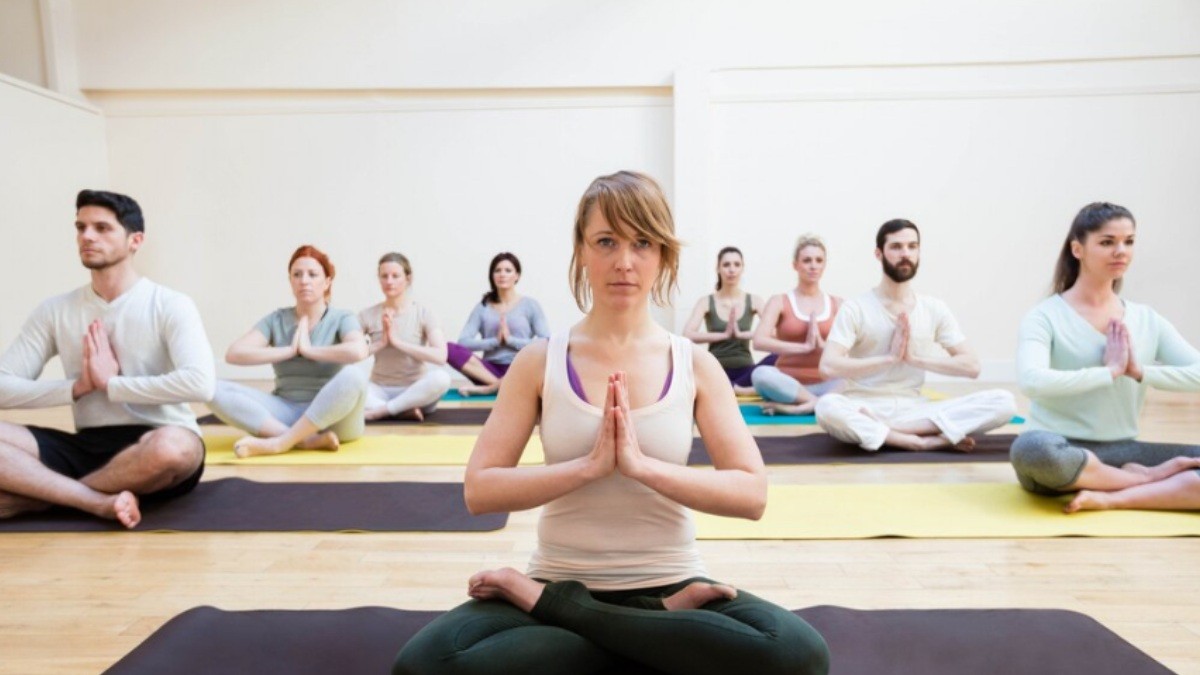
People who spend long hours sitting at desks or working on computers may particularly appreciate yoga's emphasis on movement and flexibility. Regular physical activity, including yoga, can contribute to overall fitness when combined with other forms of exercise.
Modern yoga classes are also available in many formats, ranging from beginner-friendly sessions to more challenging practices. This variety allows people to choose a style that suits their abilities and goals.
Stress Relief in a Fast-Paced World
Modern life often involves demanding work schedules, constant digital communication and numerous personal responsibilities. As a result, stress management has become an important part of many people's wellness routines.
Related Articles
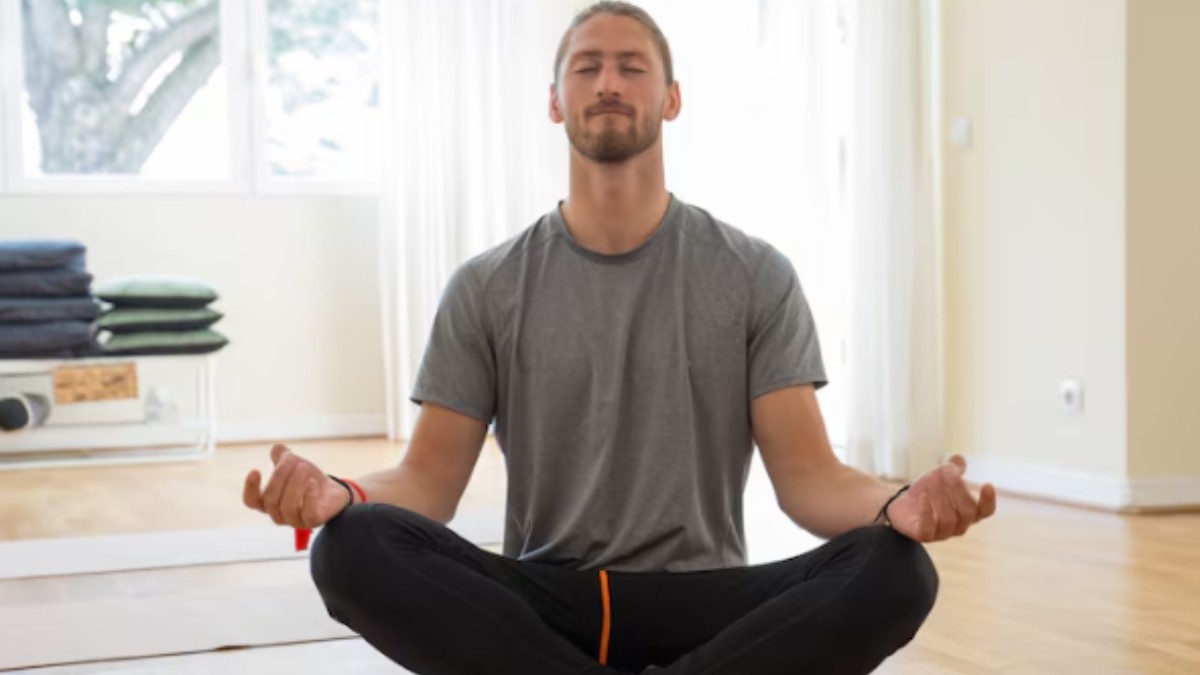
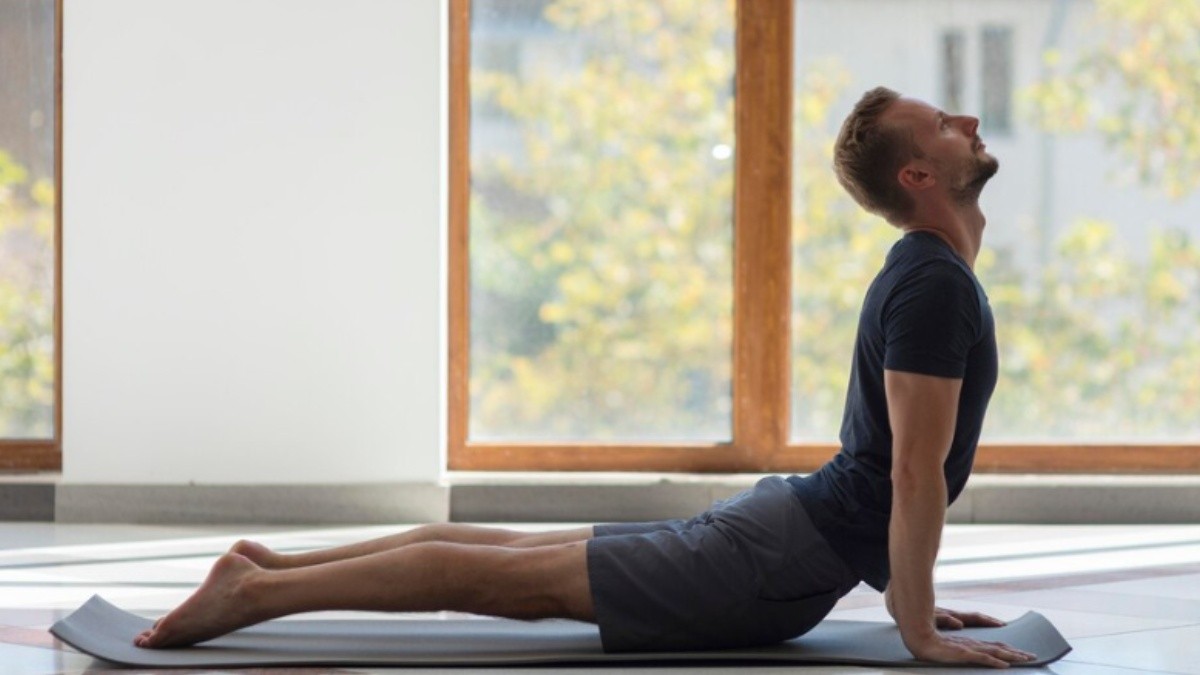
Yoga's combination of controlled movement, breathing and focused attention can provide an opportunity to slow down. Many practitioners use yoga as a break from screens, deadlines and everyday distractions.
Breathing exercises and relaxation techniques associated with yoga may also encourage people to become more aware of their physical and emotional state. While yoga should not be considered a replacement for professional treatment for mental health conditions, it can be a useful complementary wellness practice for many people.
Growing Interest in Mindfulness
Another major change in the modern perception of yoga is the increasing interest in mindfulness. Many people are looking for ways to become more present and less distracted by constant notifications and information.
Yoga can encourage concentration on breathing, body position and movement. This focus may help practitioners develop greater awareness during a session and potentially carry that sense of attention into everyday activities.
For some people, yoga is therefore not simply exercise. It becomes an opportunity to reconnect with themselves and establish a calmer daily rhythm.
Yoga and Social Media
Social media has played an important role in making yoga more visible. Online videos, fitness influencers and virtual classes have made it possible for people to discover different yoga styles without immediately joining a physical studio.
However, social media can also create unrealistic expectations. Photographs and videos often highlight advanced poses, highly flexible practitioners and carefully staged environments. Beginners may mistakenly believe they need to perform difficult poses to be considered successful at yoga.
In reality, yoga does not have to be a competition. A person's practice can be adapted to their physical abilities, experience and comfort level.
Respecting Yoga's Traditional Roots
As yoga becomes increasingly commercialised, there is also growing discussion about respecting its cultural and philosophical origins. Yoga has deep roots in Indian traditions and encompasses much more than physical postures.
Modern practitioners can benefit from learning about yoga's history and broader philosophy while adapting the practice responsibly to contemporary needs. Understanding its origins can help prevent yoga from being reduced to simply another fitness trend.
Yoga as a Lifestyle Choice
For many modern people, yoga represents a balanced approach to wellness. It can complement walking, running, strength training and other forms of physical activity. It can also encourage healthier habits by creating time for reflection and self-care.
Importantly, there is no single correct way to approach yoga. Some people may practice for ten minutes at home, while others attend regular studio classes. Some focus on physical postures, whereas others are more interested in breathing, meditation and mindfulness.
A Changing but Enduring Practice
The modern attitude toward yoga reflects a combination of tradition and adaptation. People are discovering ancient practices while applying them to contemporary concerns such as sedentary lifestyles, stress and the need for greater work-life balance.
Yoga's continuing popularity suggests that its appeal extends beyond fitness trends. Its emphasis on movement, breathing, awareness and relaxation makes it adaptable to different lifestyles.
Ultimately, modern yoga can be viewed as a bridge between physical activity and mindful living. Whether practiced for flexibility, fitness, relaxation or personal reflection, its greatest value may come from approaching it consistently, patiently and with respect for its rich origins.




Comments 0