
Yoga is more than a form of exercise. It combines physical postures, breathing techniques and mindfulness to support overall physical and mental well-being. But one question often comes up among beginners and experienced practitioners alike: When is the best time of day to practice yoga.
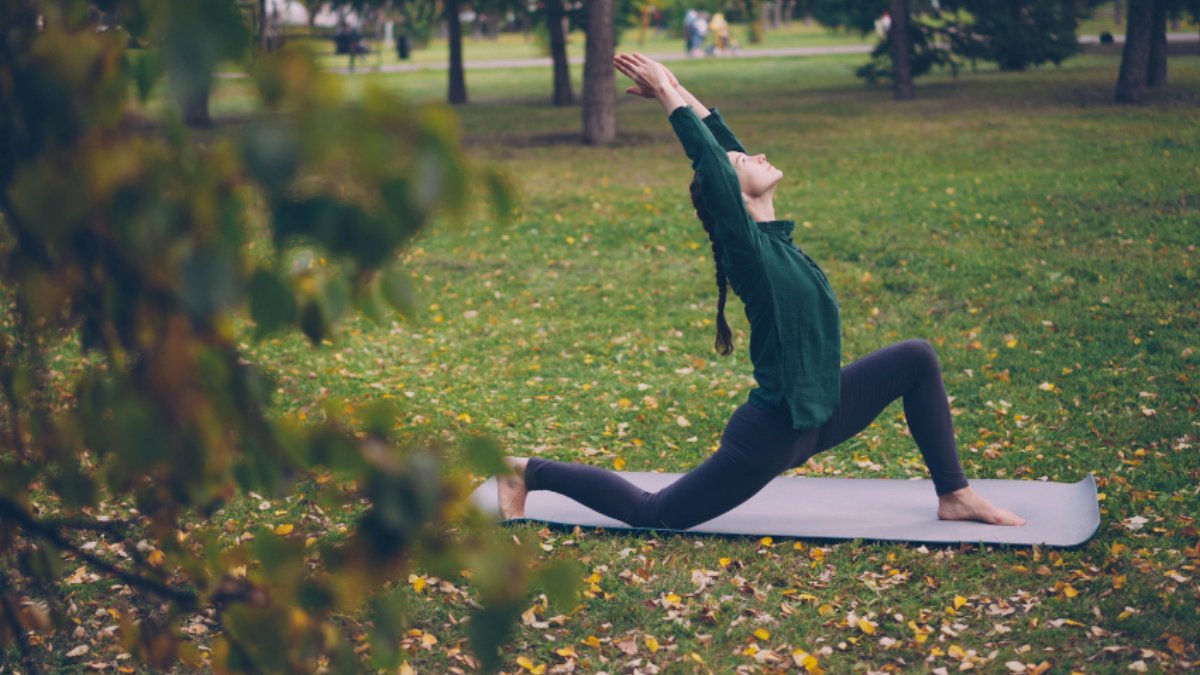
The good news is that there is no single time that works perfectly for everyone. The ideal time depends on your daily schedule, fitness goals, energy levels, sleep pattern and the type of yoga you practice. However, certain times of the day may offer specific advantages.
Morning Yoga: A Great Way to Start the Day
For many people, early morning is considered an excellent time to practice yoga. After a night of rest, the mind may feel relatively calm and there are usually fewer distractions. Starting the day with yoga can help create a sense of routine and encourage mindful movement.
Related Articles

A gentle morning session can include stretching, breathing exercises and sun salutations. More active sequences may help you feel energized and physically prepared for the day ahead.
Morning yoga may be particularly useful if your goal is to improve flexibility, build consistency or establish a healthy daily habit. Practising before breakfast is common, but listen to your body and stay hydrated. If you feel weak or uncomfortable exercising on an empty stomach, a light snack may be appropriate.
Midday Yoga: A Useful Energy Reset
If mornings are busy, afternoon or lunchtime yoga can be a practical alternative. Even a 10- to 20-minute session can provide an opportunity to step away from work or daily responsibilities.
Related Articles
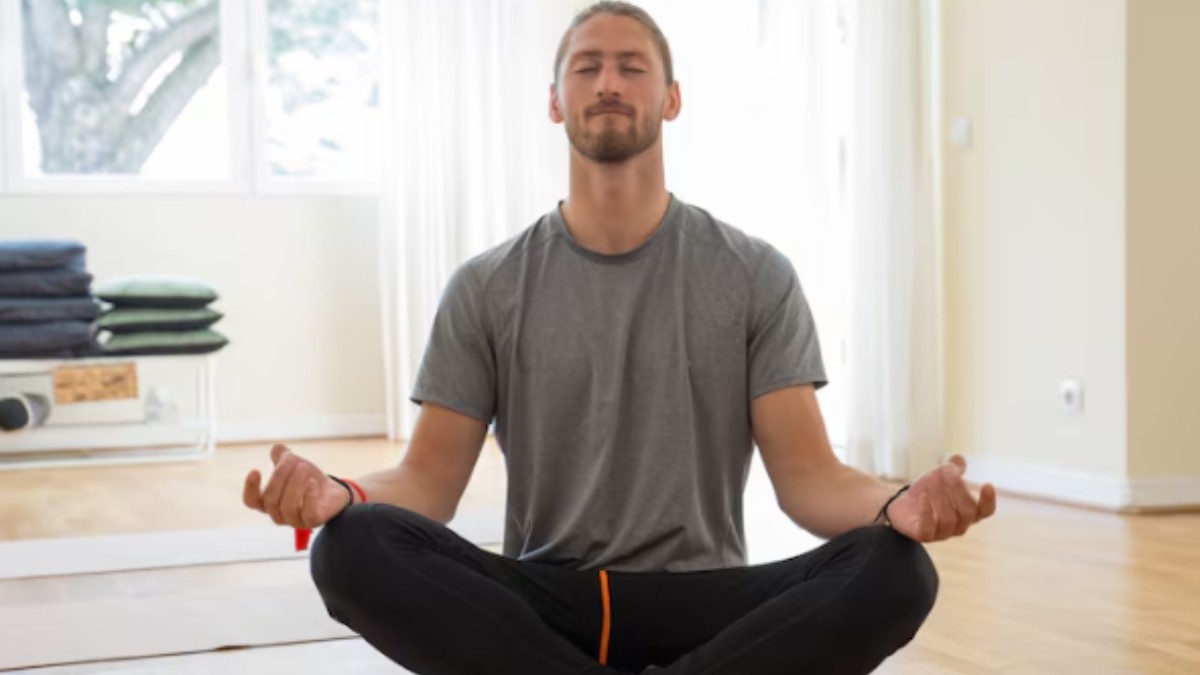

Gentle stretches can be especially helpful for people who spend long hours sitting at a desk. Movements involving the neck, shoulders, spine and hips may help counter the stiffness associated with prolonged sitting.
However, avoid doing demanding yoga immediately after a heavy meal. Give your body enough time to digest before attempting vigorous postures.
Evening Yoga: Relax Your Body and Mind
For people with packed mornings, evening yoga can be an excellent option. A slower practice after work or other daily activities may help transition the body and mind into a more relaxed state.
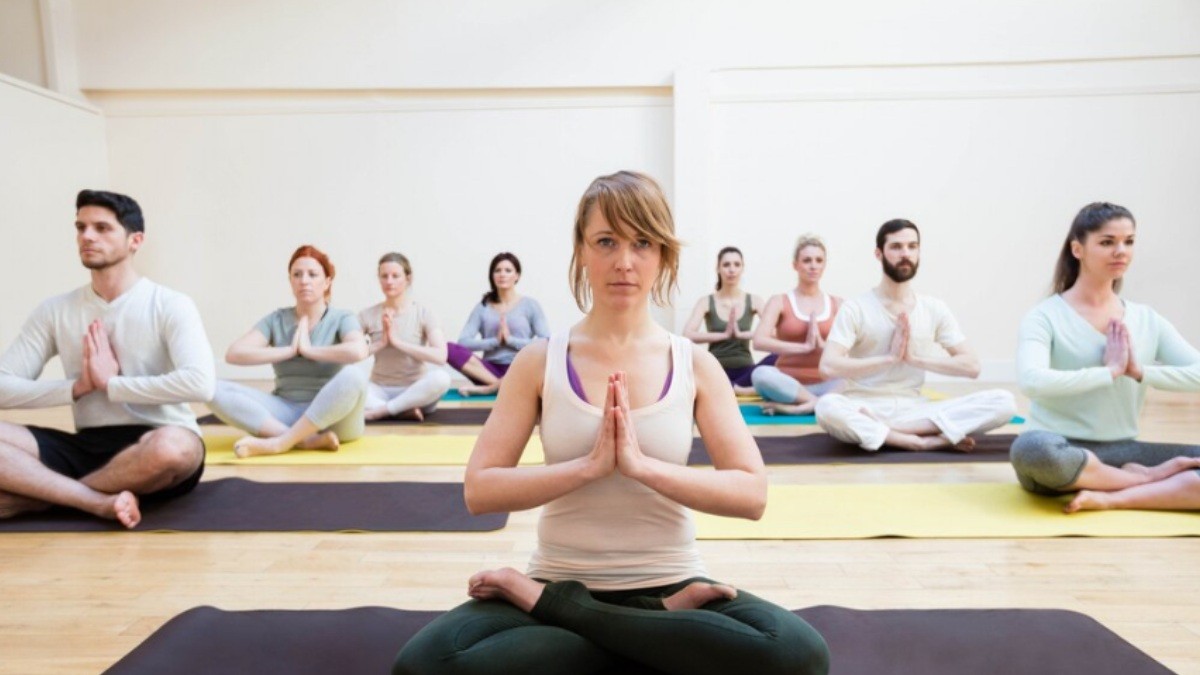
Restorative yoga, gentle stretching, pranayama and meditation can be suitable choices in the evening. These practices can encourage relaxation and help create a calming bedtime routine.
If you're practising close to bedtime, avoid highly stimulating or vigorous sequences if they make you feel more alert. Instead, choose slow movements and comfortable breathing exercises.
What Is the Best Time for Different Goals
Your yoga timing can also depend on what you want to achieve.
- For energy and alertness: Try a morning practice with gentle-to-moderate movement
- For flexibility: Practise when your body feels sufficiently warm, often later in the day
- For stress relief: An afternoon or evening session may fit well
- For relaxation: Choose gentle evening yoga, followed by breathing or meditation
- For building consistency: Pick a time that you can realistically maintain every day or several times a week
Is It Better to Practise Yoga Before or After Meals
Yoga is generally more comfortable when practised away from a heavy meal. Practising on a very full stomach can make bending, twisting and certain poses uncomfortable.
If you practise early in the morning, you may prefer to do yoga before breakfast. If you practise later, allow time after eating before beginning your session. Individual tolerance varies, so pay attention to how your body responds.
Consistency Matters More Than the Clock
While the time of day can influence how you feel during yoga, consistency is often more important than choosing a supposedly perfect hour. A 20-minute practice that you can maintain regularly is likely to be more useful than an hour-long session that repeatedly gets skipped.
Choose a quiet time when you are unlikely to be interrupted. Start with a manageable duration and gradually increase your practice as you become more comfortable.
Listen to Your Body
Yoga should not feel like a competition. Your energy levels can vary from day to day, so adjust your practice accordingly. A more energetic sequence may feel appropriate on one day, while gentle stretching and breathing may be better on another.
If you have an injury, chronic health condition, are pregnant, or are new to exercise, consider speaking with a qualified healthcare professional or experienced yoga instructor about suitable practices.
The best time of day to practise yoga is the time that fits naturally into your lifestyle and allows you to practise safely and consistently. Morning yoga can energize your day, midday sessions can provide a refreshing break, and evening yoga can help you unwind.
Rather than worrying about finding the perfect time, focus on creating a sustainable routine. Whether you roll out your mat at sunrise, during your lunch break or after sunset, regular mindful movement can become a valuable part of your wellness routine.




Comments 0