
Hair fall is a common concern that can affect people of all ages. From stress and poor sleep to nutritional deficiencies, hormonal changes and certain medical conditions, many factors can contribute to excessive shedding. While there is no yoga pose that can guarantee an end to hair fall, regular yoga practice may support some aspects of overall health that are connected with healthy hair.
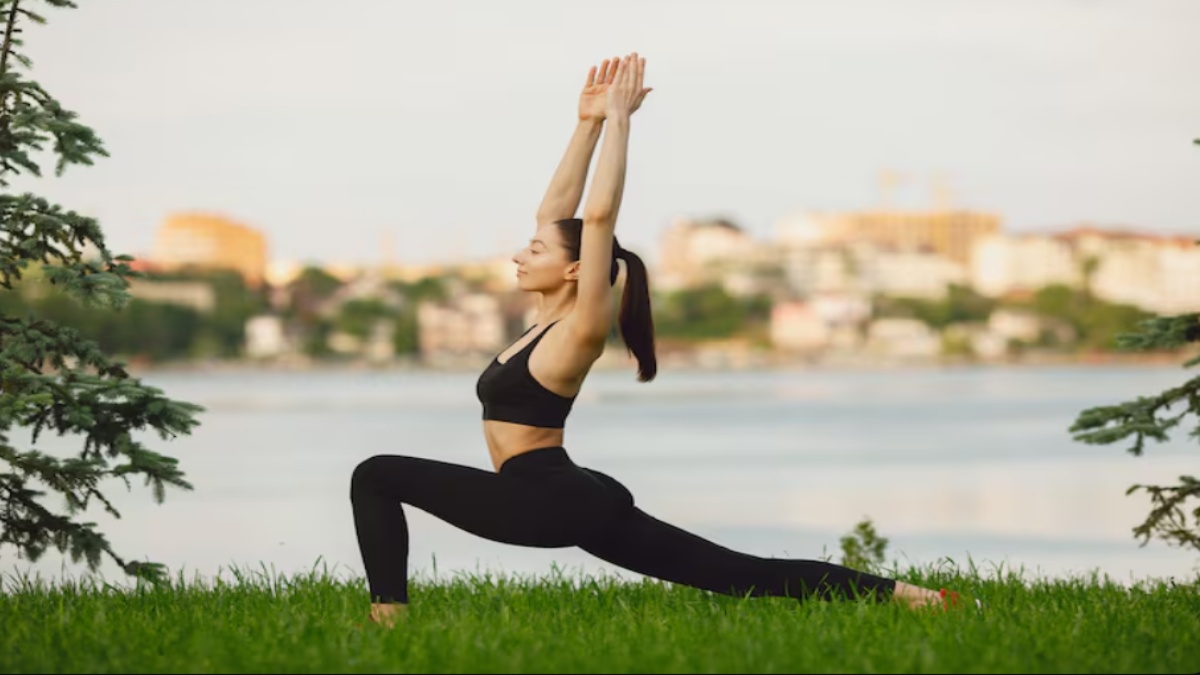
So, can yoga help reduce hair fall, It may help indirectly, particularly by supporting stress management and general well-being, but it should not be considered a standalone treatment for persistent hair loss.
How Stress Can Affect Hair
Stress is one factor that may contribute to certain types of temporary hair shedding. Significant physical or emotional stress can disrupt the normal hair-growth cycle, sometimes resulting in increased shedding weeks or months later.
Related Articles
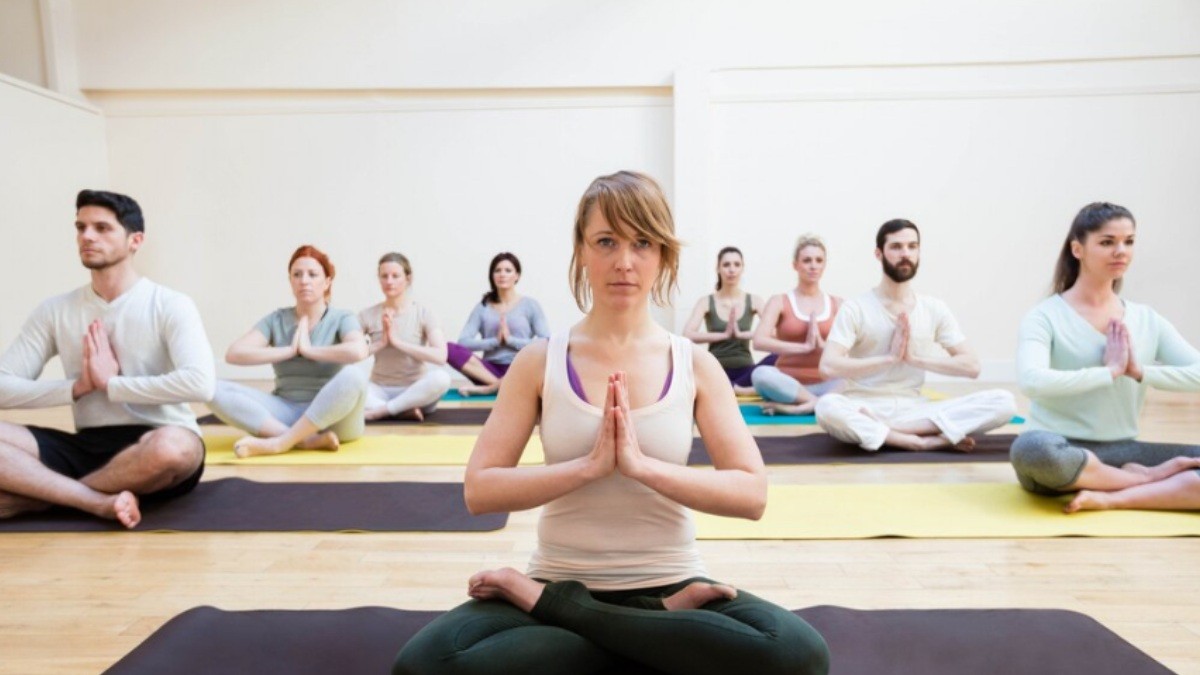
Yoga combines physical movement, breathing exercises and, in some practices, meditation. These techniques may help people manage everyday stress and promote relaxation.
A calmer mind does not automatically mean that hair loss will disappear, but incorporating stress-management practices into a healthy lifestyle may be beneficial for overall well-being.
Yoga and Blood Circulation
Some yoga movements involve changing body positions, stretching muscles and encouraging mindful movement. Yoga can support general physical fitness and circulation.
Related Articles
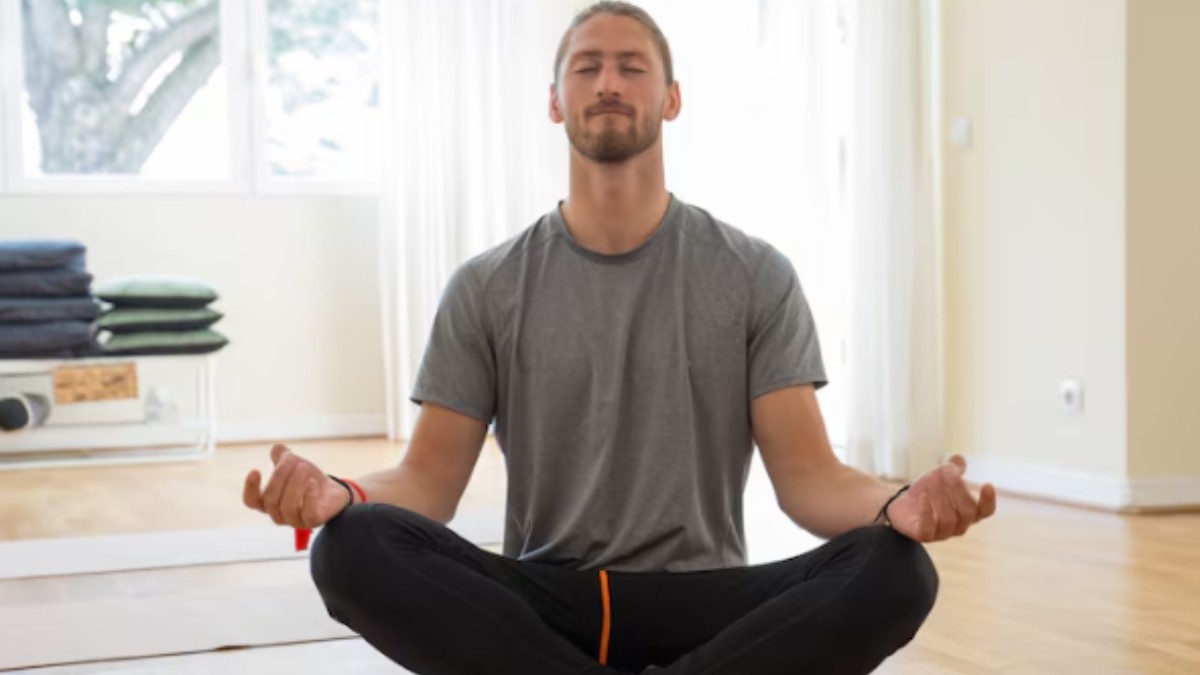
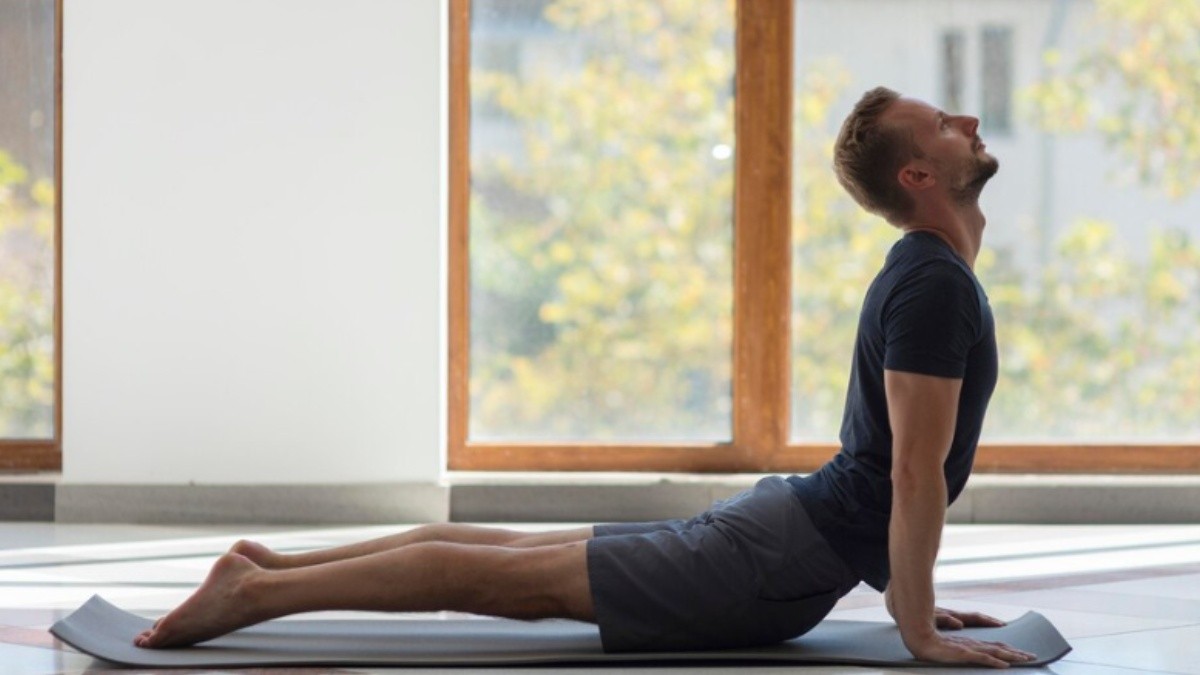
There is a popular belief that increased blood flow to the scalp directly causes hair growth. However, there is not strong evidence that yoga alone can stimulate enough scalp circulation to treat hair loss. It is therefore better to view yoga as part of a broader wellness routine rather than a direct hair-growth treatment.
Yoga Poses You Can Try
Several gentle yoga poses can be incorporated into a regular practice for relaxation, flexibility and overall fitness.
Child's Pose (Balasana): This gentle resting posture can encourage relaxation and provide a calming pause during a yoga session.
Downward-Facing Dog (Adho Mukha Svanasana): This pose involves placing the head below the heart and can provide a gentle full-body stretch. It should be performed comfortably rather than with the expectation that it will directly increase hair growth.
Standing Forward Fold (Uttanasana): This posture stretches the back of the body and can be incorporated into a gentle mobility routine.
Cat-Cow Pose: Alternating between these positions can gently mobilize the spine while encouraging controlled breathing.
Meditation and Pranayama: Breathing exercises and meditation may be particularly useful for people whose hair concerns are accompanied by high levels of everyday stress.
People with high blood pressure, glaucoma, balance problems, pregnancy-related concerns or other health conditions should ask a healthcare professional whether certain poses are appropriate.
Nutrition Matters for Hair Health
Yoga cannot compensate for an inadequate diet. Hair growth requires adequate nutrients, including protein, iron, zinc and several vitamins and minerals.
Eating a varied diet that includes vegetables, fruits, whole grains, legumes, nuts, seeds, dairy or suitable alternatives, eggs, fish or other protein sources can help support overall nutritional health.
However, taking supplements without identifying a deficiency is not always beneficial. Excessive intake of certain nutrients can even cause problems. Anyone experiencing significant hair loss should discuss possible deficiencies with a healthcare professional before starting supplements.
Don't Ignore Persistent Hair Fall
Hair shedding is normal, but sudden, severe or persistent hair loss deserves attention. Conditions such as thyroid disorders, iron deficiency, hormonal changes, scalp conditions, certain medications and hereditary hair-loss patterns can contribute to hair loss.
If you notice bald patches, a widening part, significant thinning, scalp inflammation or unusually heavy shedding, consider consulting a dermatologist or other qualified healthcare professional.
Finding the underlying cause is important because effective treatment depends on the type and reason for the hair loss.
Healthy Hair Habits to Follow
Along with yoga, simple hair-care habits can help protect existing hair. Avoid excessive heat styling, overly tight hairstyles and aggressive brushing, particularly when hair is wet and fragile.
Choose hair-care products appropriate for your scalp and hair type, and maintain good scalp hygiene. Getting adequate sleep and staying physically active can also contribute to overall health.
Yoga may be a useful addition to a hair-health routine, especially when stress is one of the factors affecting your overall well-being. Its potential benefits come primarily from relaxation, physical activity, mindfulness and healthier lifestyle habits not from a proven ability to directly regrow hair.
For persistent or unexplained hair fall, yoga should complement rather than replace medical evaluation. A balanced diet, good sleep, stress management, appropriate hair care and professional guidance can provide a more comprehensive approach to maintaining healthy hair.




Comments 0