
Yoga is commonly associated with India, but several Asian cultures have developed their own movement, breathing, meditation, and mind-body traditions that can sometimes be described using the broad term “yoga.” Chinese and Japanese practices are particularly interesting because they have developed within distinct philosophical and cultural environments. Although they share an emphasis on the connection between body and mind, their methods, terminology, historical roots, and approaches to movement can differ considerably.
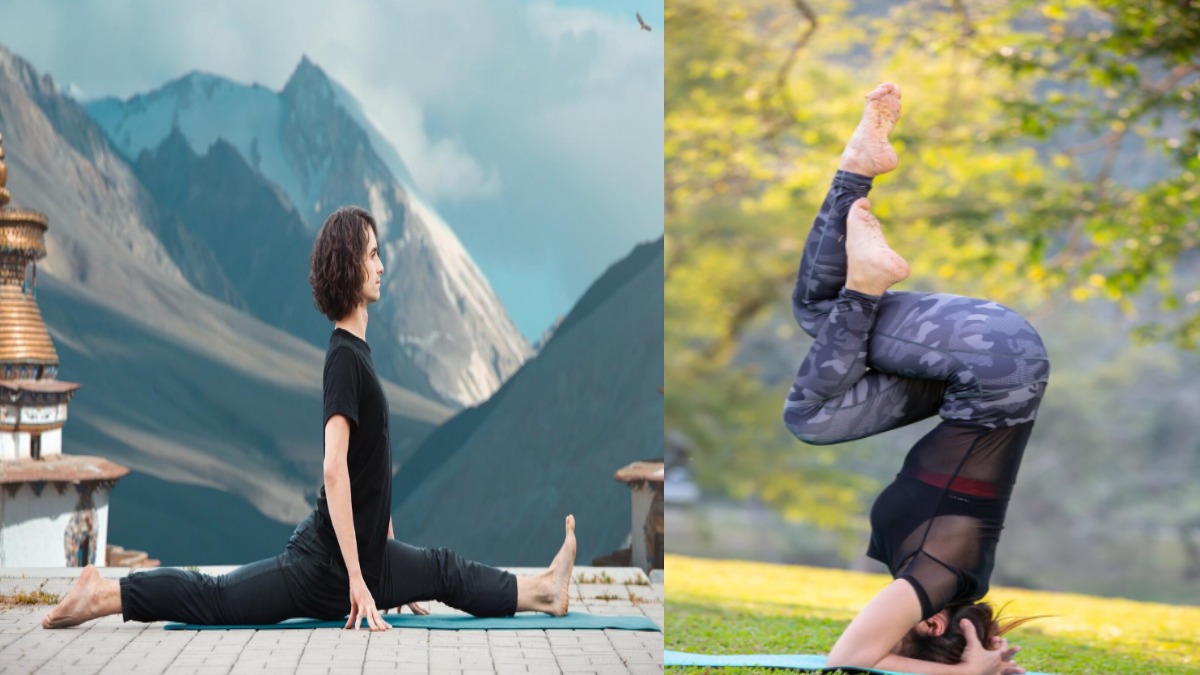
It is important to note that “Chinese yoga” and “Japanese yoga” are not single, universally defined traditions in the same way that particular established schools of Indian yoga may be. The term Chinese yoga is often used to describe Chinese mind-body practices such as Qigong and Dao Yin, while Japanese yoga can refer to yoga practiced in Japan as well as Japanese-developed approaches that combine yoga with Japanese concepts of movement, breathing, meditation, or alignment.
Understanding Chinese yoga traditions
Chinese practices commonly associated with the idea of yoga include Qigong and Dao Yin. These traditions have deep roots in Chinese culture and are connected with concepts found in Daoist thought, traditional Chinese health practices, martial arts, and meditation.
Related Articles
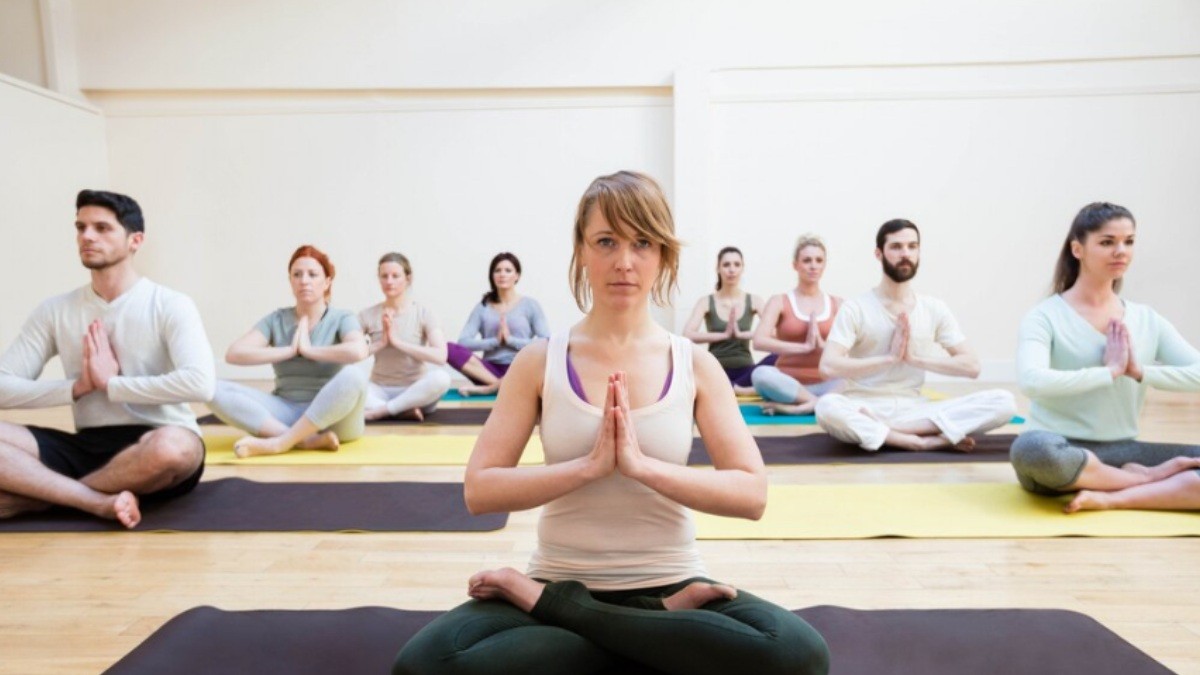
Qigong generally combines controlled movement, breathing, posture, concentration, and relaxed awareness. Movements may be slow and repetitive, with an emphasis on coordinated breathing and mental focus.
Dao Yin, whose name can be translated in terms related to guiding and stretching, includes physical movements and exercises intended to cultivate flexibility, coordination, breathing, and body awareness. Some forms are gentle and accessible, while others can be physically demanding.
A central concept in many Chinese practices is qi, commonly described as vital energy or life force within traditional Chinese thought. Practitioners may use movement and breathing exercises as ways of cultivating and regulating qi.
Related Articles
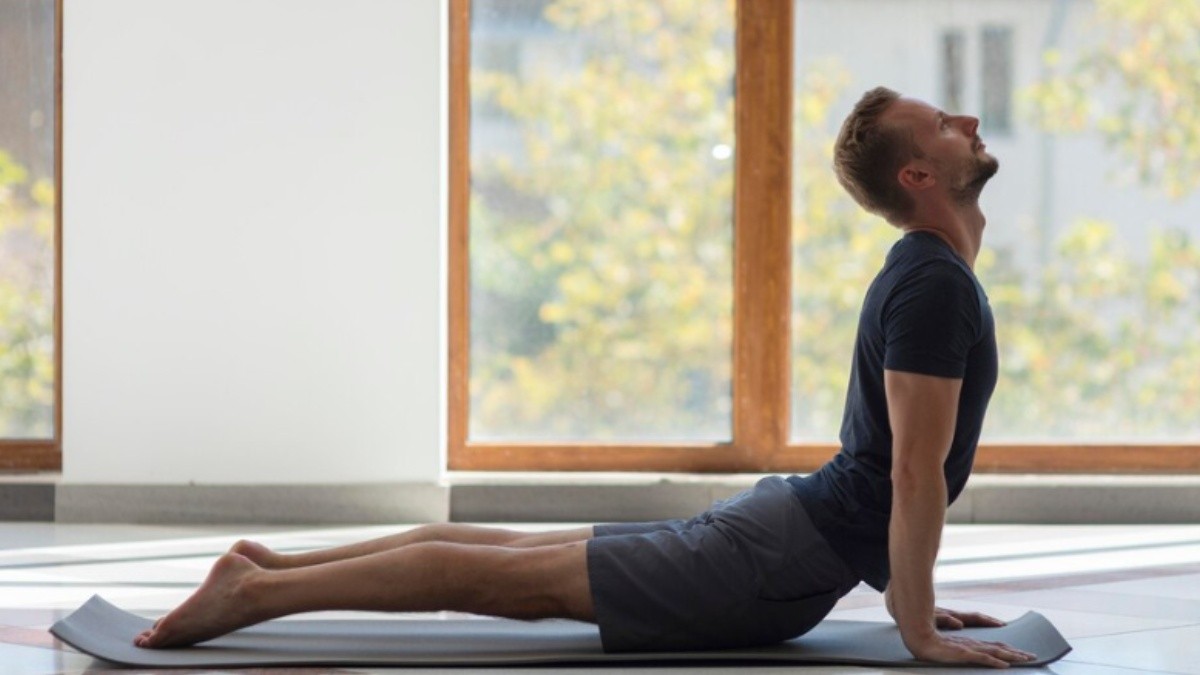
What makes Japanese yoga different
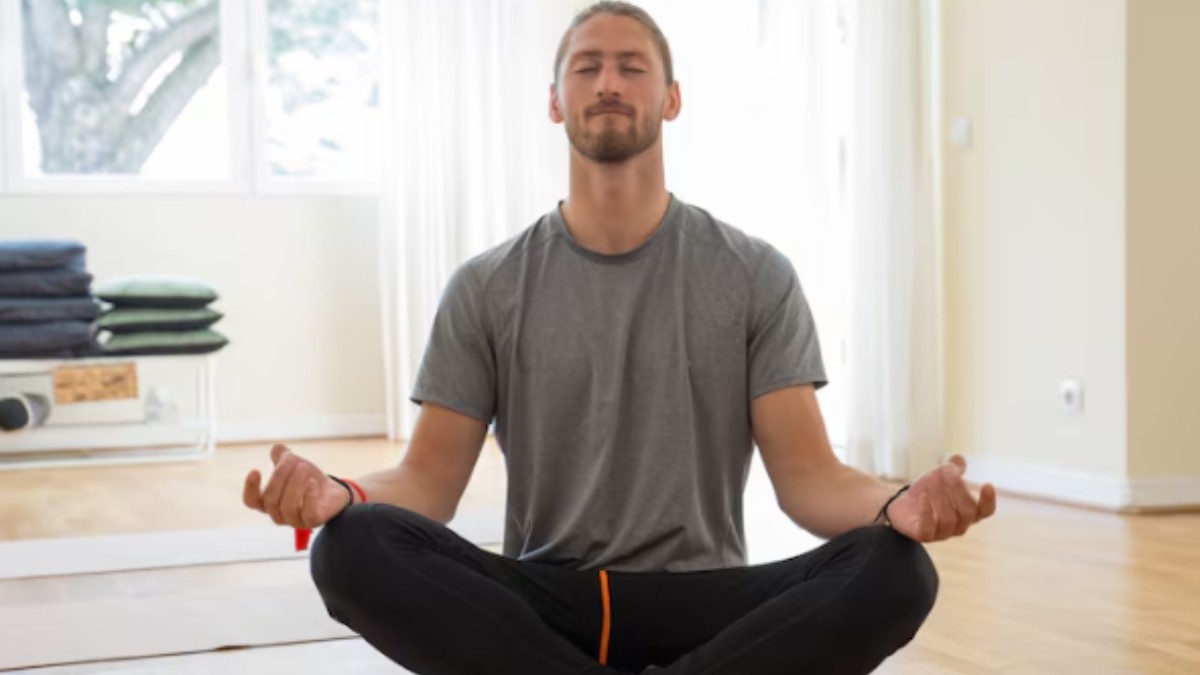
Japanese yoga has a more diverse modern history. Yoga was introduced to Japan through cultural and intellectual exchanges, and various teachers and schools subsequently adapted yoga practices to Japanese audiences.
Rather than representing one ancient Japanese system, Japanese yoga can encompass different approaches. Some teachers emphasize traditional Indian yoga postures and philosophy, while others integrate yoga with Japanese approaches to body awareness, breathing, relaxation, or movement.
Japan also has established mind-body disciplines such as Zen meditation, Aikido, and various traditional movement practices, but these should not automatically be classified as “Japanese yoga.” They have their own histories and philosophies.
This distinction is important because the similarities between Japanese yoga and other Japanese mind-body practices can sometimes lead to broad or misleading descriptions.
Difference in philosophy
Chinese movement traditions such as Qigong and Dao Yin are strongly influenced by traditional Chinese philosophical and health concepts. Their practices may focus on regulating breathing, cultivating qi, coordinating movement, and developing calm awareness.
Yoga, including yoga practiced in Japan, has roots in Indian philosophical traditions. Classical yoga encompasses much more than physical postures and includes ethical principles, concentration, meditation, and other aspects of spiritual practice.
Japanese adaptations may therefore combine elements of Indian yoga with local approaches to mindfulness, discipline, body awareness, or relaxation.
Movement and physical practice
Chinese Qigong and Dao Yin exercises often feature controlled, flowing, repetitive movements. Practitioners may remain standing or move slowly through sequences while coordinating breathing and attention.
Yoga generally includes a wider range of physical postures. Depending on the style, practitioners may work on strength, flexibility, balance, mobility, alignment, and controlled breathing. Some Japanese yoga classes follow familiar Indian asanas, while others may incorporate movements adapted to Japanese preferences and teaching methods.
Neither approach is automatically better. The right practice depends on a person's physical abilities, interests, goals, and experience.
Breathing and meditation
Breathing is important in both traditions, although the terminology and underlying concepts can differ.
Qigong frequently coordinates slow breathing with deliberate movement and relaxation. This combination can encourage body awareness and a calmer state of mind.
Yoga includes practices known as pranayama, which involve conscious regulation of the breath. Different yoga traditions use different breathing techniques, and some can be quite stimulating or demanding.
Meditation is also found in both Chinese and Japanese cultures, although meditation itself is broader than either category. Zen traditions in Japan, for example, have their own historical development and should not simply be treated as a form of yoga.
Similarities between the practices
Despite their differences, Chinese and Japanese approaches to mind-body wellbeing can share several characteristics. Both may encourage practitioners to pay attention to breathing, posture, movement, concentration, and relaxation.
Both can also be practiced as part of a broader wellness routine. Slow, mindful movement may help improve body awareness, balance, flexibility, and relaxation. Regular physical activity can also support general health when practiced appropriately.
The mental aspect is particularly important. Instead of treating exercise as purely mechanical, these practices often encourage people to remain attentive to their physical sensations and breathing.
Which practice should you choose
Choosing between Chinese-inspired practices and Japanese yoga approaches should depend on personal preferences rather than claims that one tradition is universally superior.
Someone interested in slow, flowing movement and traditional Chinese concepts may enjoy Qigong or Dao Yin. Someone interested in yoga postures, stretching, meditation, and Indian yoga philosophy may prefer a yoga class taught through a Japanese school or teacher.
Beginners should start gently and learn from qualified instructors, particularly when practices involve unusual postures, breath retention, or physically demanding movements.
Ultimately, Chinese and Japanese mind-body traditions demonstrate that physical movement can be connected with breathing, concentration, and self-awareness. Understanding their individual histories and philosophies helps prevent them from being treated as interchangeable systems.
The biggest distinction is therefore not simply about which country the practice comes from. It is about the cultural framework, historical development, terminology, movement methods, and philosophy behind each practice. Exploring these differences can make the experience more meaningful while encouraging a more respectful understanding of Asia's diverse movement and wellness traditions.




Comments 0