
Yoga has moved far beyond its traditional roots to become a widely studied mind-body practice. Today, yoga is used by millions of people as a form of physical activity, relaxation and complementary healthcare. Researchers have increasingly examined whether regular yoga practice can produce measurable clinical benefits, particularly for conditions involving stress, chronic pain, mental wellbeing and cardiovascular health.

Current evidence suggests that yoga can be beneficial for several aspects of health, although the strength of evidence varies depending on the condition, type of yoga, frequency of practice and quality of the research. It is also important to view yoga as a complementary approach rather than a replacement for appropriate medical treatment.
Yoga and Stress Reduction
One of the most consistently discussed clinical effects of yoga is its potential role in managing stress. Yoga combines physical postures, controlled breathing and focused attention, which may help promote relaxation.
Related Articles

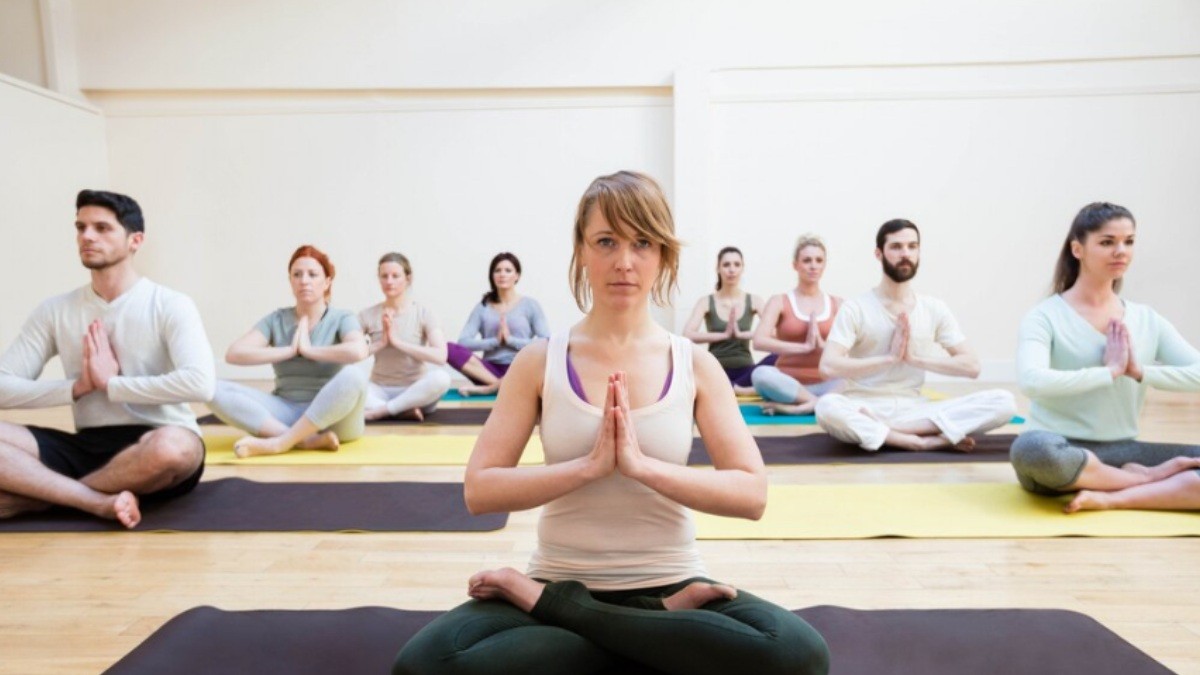
Studies have reported improvements in perceived stress and aspects of psychological wellbeing among people who practise yoga regularly. Breathing exercises and meditation components may contribute to these effects by encouraging relaxation and helping people become more aware of physical and emotional responses to stress.
For people dealing with everyday stress, incorporating yoga into a broader healthy lifestyle may therefore be useful.
Effects on Anxiety and Mental Wellbeing
Research also suggests that yoga may help reduce symptoms of anxiety in some populations. Mindful movement and breathing may encourage people to focus on the present moment rather than becoming caught up in repetitive thoughts.
Related Articles


Some studies have found improvements in anxiety symptoms among participants undertaking yoga programmes. However, researchers continue to point out that studies differ considerably in their design, duration and types of yoga used.
Yoga should not replace professional mental-health care for people experiencing significant anxiety, depression or other mental-health conditions. Instead, it may serve as an additional tool alongside evidence-based treatment.
Yoga and Chronic Pain
Chronic musculoskeletal pain is another area in which yoga has received considerable scientific attention.
Research on conditions such as chronic low-back pain suggests that yoga can produce modest improvements in pain and physical function for some individuals. Regular movement can help improve flexibility, strength and body awareness, while relaxation techniques may also influence how people experience persistent pain.
However, not every yoga posture is appropriate for every person with pain. A qualified instructor and, when necessary, guidance from a healthcare professional can help individuals choose safer modifications.
Cardiovascular Health
Yoga may also have a role in supporting cardiovascular health. Some research has reported improvements in blood pressure among people participating in yoga-based programmes.
Potential mechanisms include reduced stress, improved physical activity, breathing practices and changes in lifestyle behaviours. However, yoga should not be considered a substitute for prescribed blood-pressure medication, dietary changes or other medical interventions when they are required.
People with cardiovascular conditions should discuss new exercise programmes with their healthcare professional when appropriate.
Metabolic Health and Diabetes
Research has explored yoga as a complementary practice for people with metabolic conditions, including type 2 diabetes. Some studies have reported improvements in measures such as blood glucose, body composition and selected cardiovascular risk factors.
The results are encouraging but should be interpreted carefully because study quality and yoga interventions vary. For people living with diabetes, yoga can complement but should not replace medication, nutrition management, regular physical activity and monitoring recommended by their healthcare team.
Flexibility, Balance and Physical Function
The physical benefits of yoga are perhaps the easiest to understand. Many yoga practices involve controlled movements, stretching, balance exercises and weight-bearing postures.
Regular practice may improve flexibility, balance and functional movement. These benefits can be particularly relevant as people age, when maintaining strength, mobility and balance becomes increasingly important.
However, yoga is not automatically risk-free. Certain advanced postures may place considerable stress on joints, muscles or the neck. Beginners should start gradually and avoid forcing the body into positions that cause pain.
What Are the Limitations of Current Evidence
Although research into yoga is growing, there are important limitations. Yoga is not a single standardised intervention. Different studies may use completely different combinations of postures, breathing exercises, meditation and relaxation techniques.
Research studies also vary in participant numbers, duration and comparison groups. Some trials are relatively small, and long-term evidence for certain health conditions remains limited.
Consequently, claims that yoga can “cure” diseases are not supported by the current evidence. A more accurate conclusion is that yoga may provide meaningful complementary benefits for physical and psychological wellbeing when practised appropriately.
Current scientific evidence indicates that yoga may have beneficial effects on stress, anxiety, chronic pain, flexibility, balance and some cardiovascular and metabolic health measures. The strongest conclusions depend on the specific condition and the quality of available research.
For most people, yoga can be a valuable component of a healthy lifestyle when adapted to individual abilities and health needs. Its greatest potential may come from combining movement, breathing, relaxation and mindful awareness rather than viewing it as a single exercise technique.
Anyone with an existing medical condition, injury, pregnancy or significant physical limitation should seek appropriate professional advice before beginning a new yoga programme. Used safely and realistically, yoga can complement conventional healthcare while supporting overall physical and mental wellbeing.




Comments 0