
Blood pressure is an important indicator of cardiovascular health, and maintaining it within a healthy range can help reduce the risk of serious health problems. While medication may be necessary for many people with hypertension, lifestyle habits such as regular physical activity, balanced nutrition, adequate sleep and stress management can also play an important role. Yoga Nidra, a guided relaxation practice, has attracted attention for its potential to support relaxation and may have beneficial effects on blood pressure.
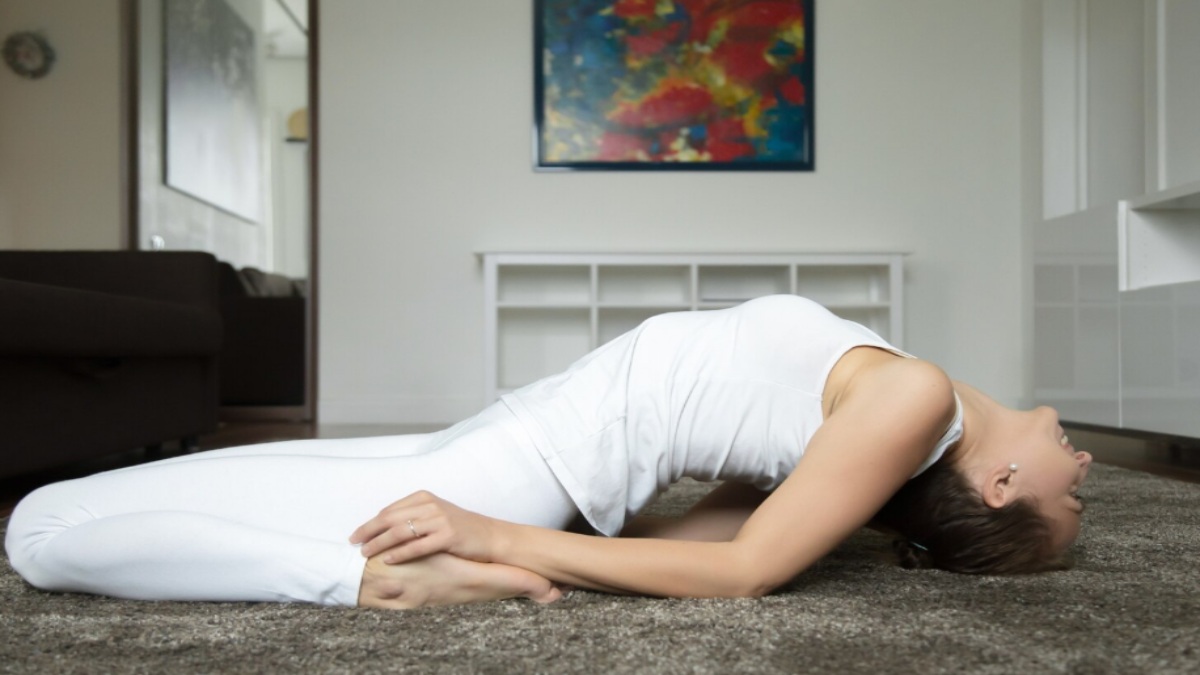
Yoga Nidra is sometimes described as “yogic sleep,” although it is generally practised while remaining guided and aware. During a typical session, a person lies comfortably, usually in a relaxed position, while following verbal instructions that may involve breathing awareness, body scanning, visualization and progressive relaxation. Unlike physically demanding forms of yoga, Yoga Nidra focuses primarily on calming the body and mind.
Stress is closely connected with cardiovascular health. When a person experiences stress, the body can activate its “fight-or-flight” response. Heart rate and blood pressure may temporarily increase as the body prepares to respond to a perceived challenge. Repeated or prolonged stress can make it harder for some people to maintain healthy lifestyle habits. Relaxation practices may therefore be useful as part of a broader strategy for managing stress.
Related Articles

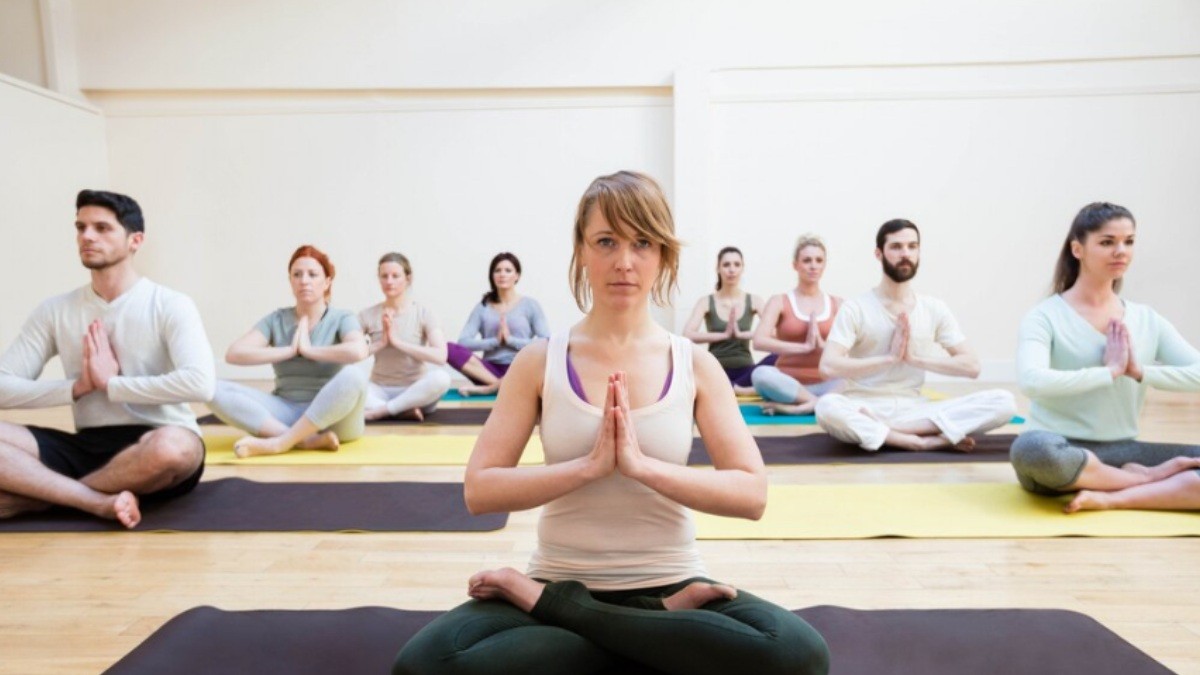
Yoga Nidra may support this process by encouraging deep physical and mental relaxation. Slow breathing and guided attention can help individuals shift their focus away from everyday worries. As the body relaxes, physiological responses associated with stress may decrease. This may contribute to short-term changes in heart rate and blood pressure, although individual responses can vary.
Research examining yoga-based relaxation practices has suggested that mind-body approaches may have potential benefits for people with elevated blood pressure. However, evidence specifically focused on Yoga Nidra is still developing, and it should not be considered a standalone treatment for hypertension. More research is needed to establish how frequently it should be practised, how long sessions should last and how large or lasting any blood-pressure effects may be.
One possible benefit of Yoga Nidra is its potential effect on sleep. Poor sleep can negatively influence overall health and may be associated with difficulties in maintaining healthy blood pressure. By creating a calming bedtime routine, relaxation practices such as Yoga Nidra may help some people prepare for sleep. Better rest can also support healthier energy levels and stress management during the day.
Related Articles
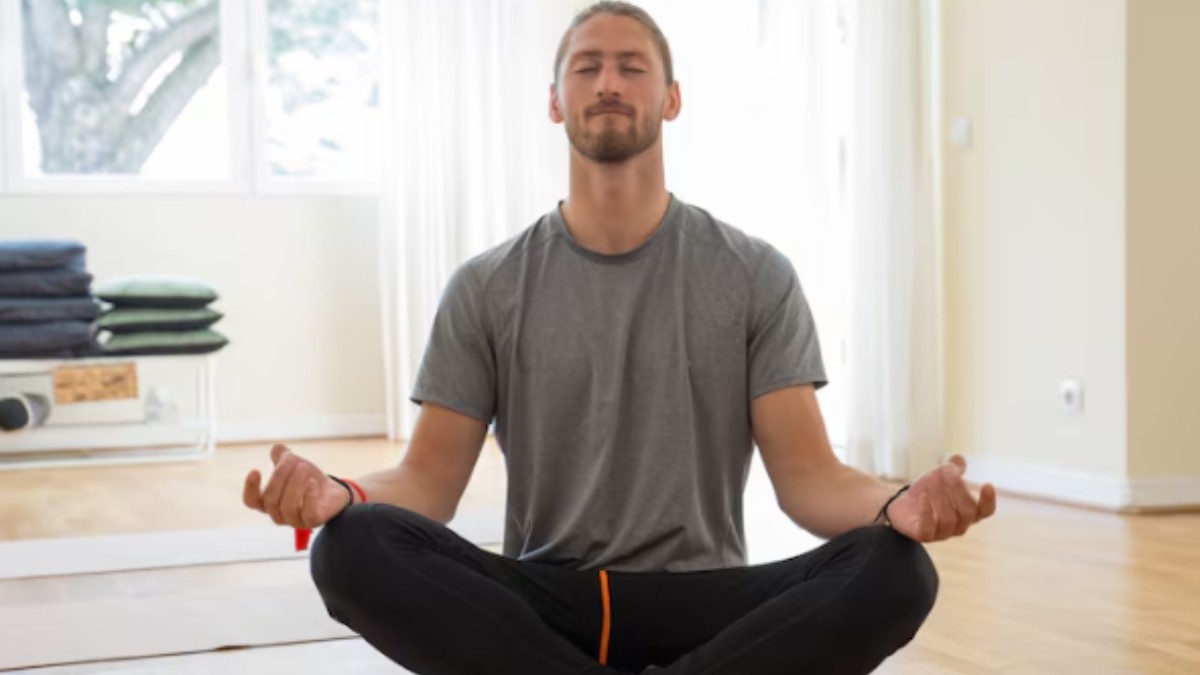
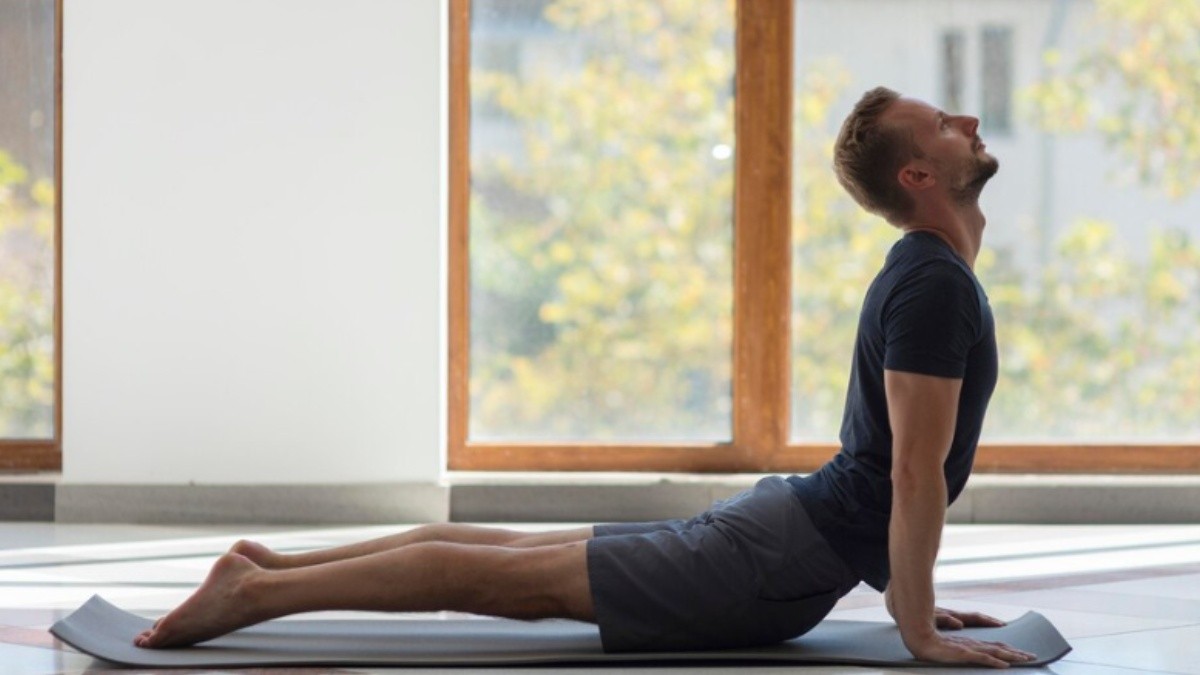
Another advantage is accessibility. Yoga Nidra generally does not require advanced flexibility, strength or balance. Most sessions can be performed lying down or in another comfortable position. This makes it potentially suitable for people who may not be able to participate in vigorous exercise. However, individuals with specific medical or physical conditions should choose comfortable positions and seek professional guidance when necessary.
Consistency may be more useful than occasional practice. People interested in Yoga Nidra can begin with short guided sessions and gradually establish a routine. Practising at a consistent time, such as before bedtime or during a quiet period of the day, may make it easier to incorporate relaxation into daily life.
It is important to remember that blood pressure management involves more than relaxation. A heart-healthy eating pattern, regular physical activity, maintaining an appropriate body weight, limiting excessive sodium and alcohol, avoiding tobacco and attending recommended medical checkups can all contribute to cardiovascular health. If a doctor has prescribed blood pressure medication, it should be taken as directed.
People with hypertension should also monitor their blood pressure according to their healthcare provider's recommendations. Relaxation techniques should complement not replace medical treatment. Anyone experiencing very high blood pressure readings or concerning symptoms should seek prompt medical attention rather than attempting to manage the situation solely through Yoga Nidra.
Overall, Yoga Nidra may offer a gentle way to promote relaxation, reduce perceived stress and potentially support healthier blood-pressure patterns. Its greatest value may come from being incorporated into a broader healthy lifestyle. With regular practice and appropriate medical care, this calming mind-body technique can be one useful tool for people seeking better relaxation and overall well-being




Comments 0