
Yoga has long been recognised as a practice that connects physical movement with breathing, concentration and relaxation. While many people first turn to yoga to improve flexibility or fitness, its benefits can extend far beyond physical exercise. A regular, appropriately tailored yoga practice may support strength, mobility, balance, stress management and a greater sense of mental wellbeing.
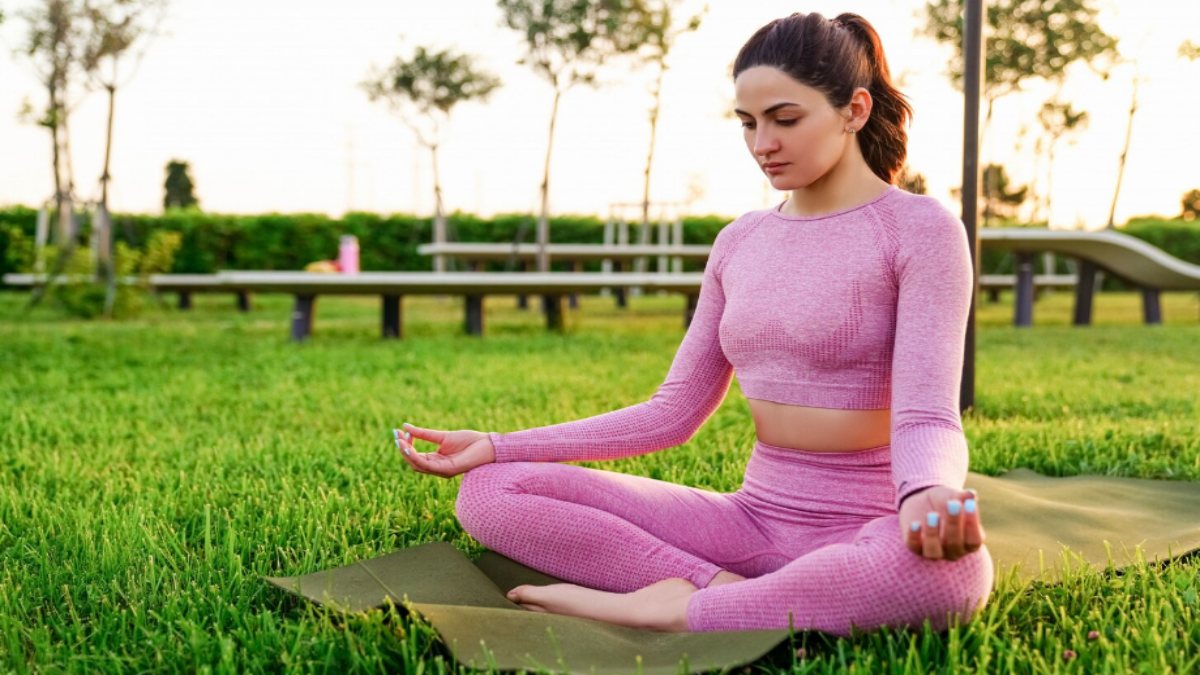
The idea of “healing” through yoga should not be interpreted as a replacement for medical treatment. Yoga cannot cure every illness, and people with health conditions should continue to follow advice from qualified healthcare professionals. Instead, yoga can be viewed as a complementary wellness practice that supports healthy habits and helps people develop a stronger connection between their bodies and minds.
Supporting Physical Strength and Flexibility
One of the most visible benefits of yoga is its effect on flexibility. Many yoga poses involve controlled stretching that can gradually improve range of motion when practised consistently.
Related Articles
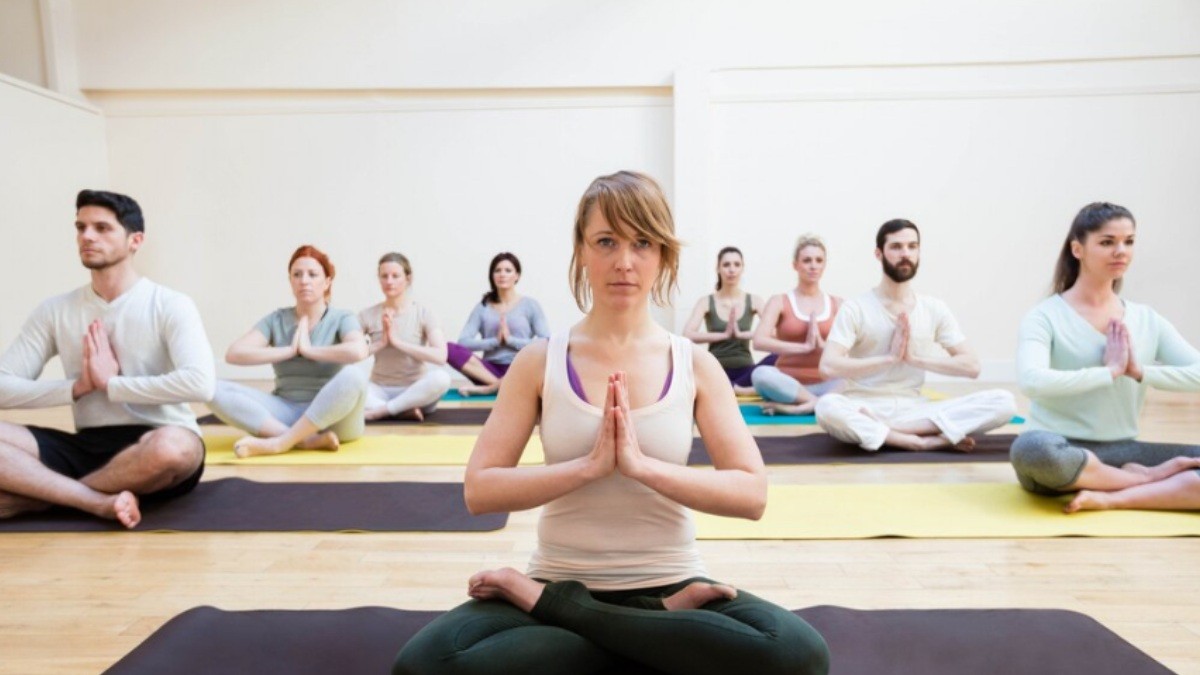
Yoga can also build strength. Holding postures requires different muscle groups to work together, while transitions between poses can challenge stability and coordination. Poses such as plank, chair pose and bridge can engage the core, legs, shoulders and arms.
Improved strength and flexibility may make everyday activities easier and can contribute to better movement patterns.
Improving Balance and Body Awareness
Balance becomes increasingly important as people age. Yoga includes numerous standing and balancing postures that require concentration and controlled movement.
Related Articles
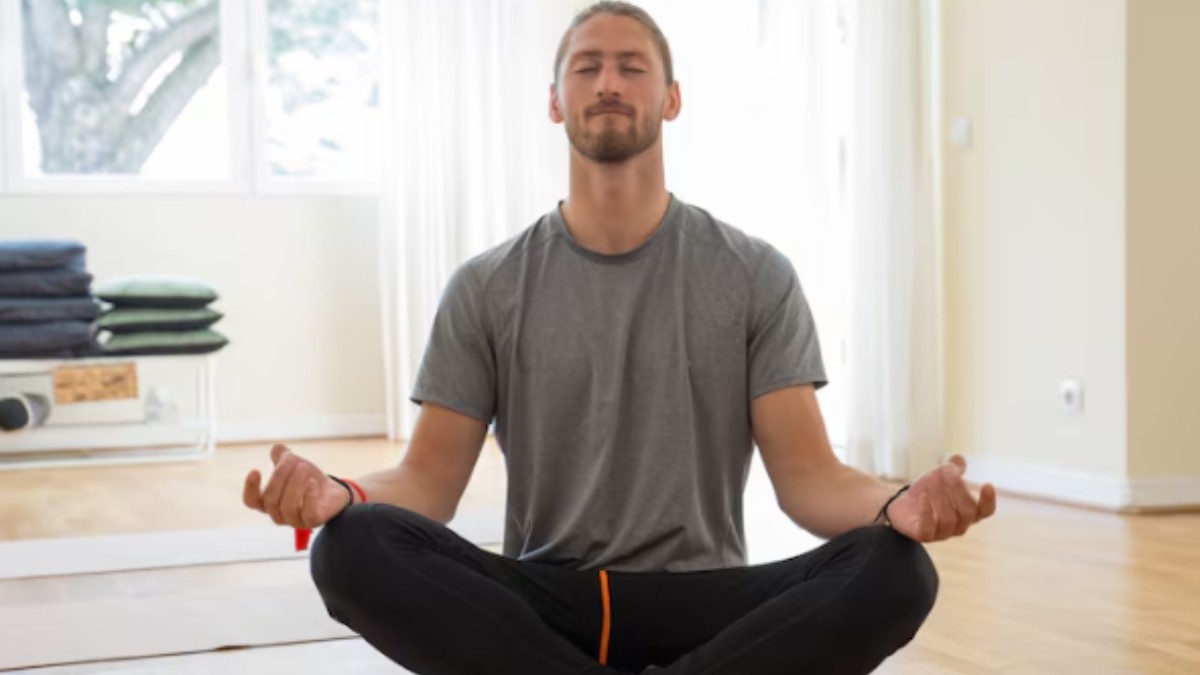
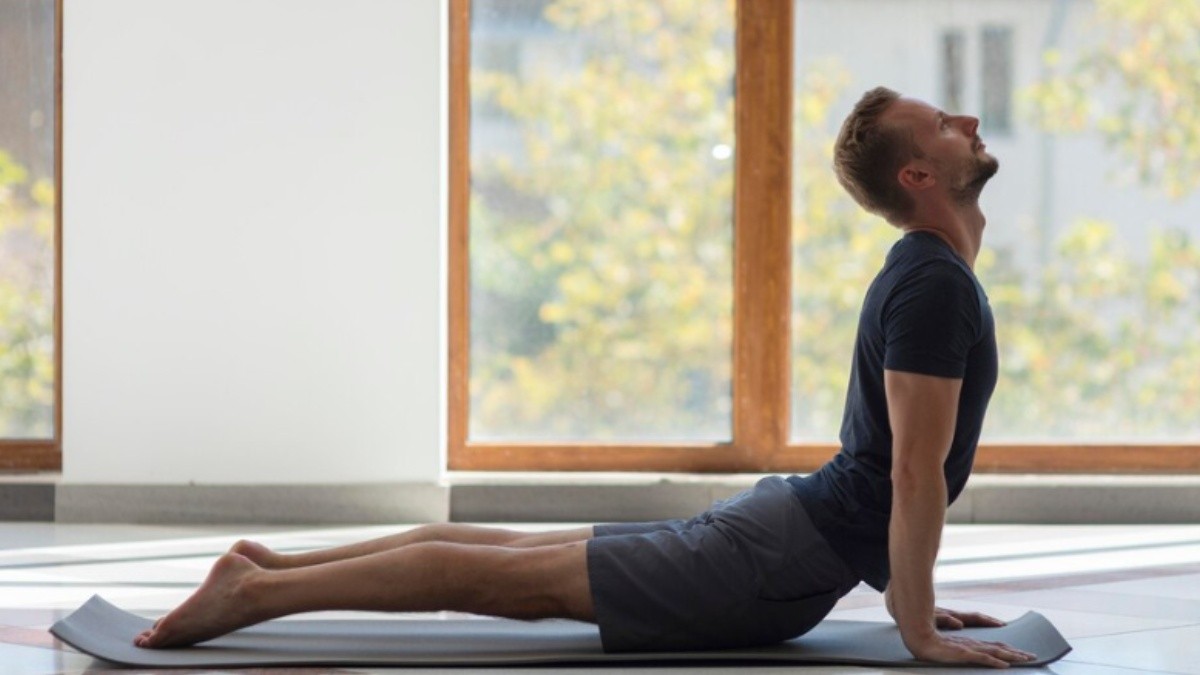
Regular practice can encourage greater awareness of how the body moves and responds to different positions. This body awareness can help practitioners recognise tension, fatigue and discomfort rather than automatically pushing through them.
For beginners, balance poses can be performed near a wall or with appropriate support. Yoga should challenge the body without causing sharp or significant pain.
Yoga and Stress Management
Modern life can involve work pressures, family responsibilities, financial concerns and constant digital stimulation. Finding time to slow down can therefore be valuable for mental wellbeing.
Yoga combines movement with deliberate breathing and focused attention. This combination can create a period in which people step away from daily distractions and concentrate on the present moment.
Gentle yoga and breathing exercises may encourage relaxation and can be incorporated into a broader stress-management routine. However, people experiencing persistent or severe anxiety or other mental health concerns should consider speaking with a qualified mental health professional.
Supporting Better Sleep
A busy mind can make it difficult to transition into restful sleep. A gentle yoga routine in the evening may help establish a calming bedtime ritual.
Slow stretches, comfortable breathing exercises and relaxation techniques can create a clear transition between daytime activities and bedtime. Although yoga is not a guaranteed treatment for insomnia or other sleep disorders, healthy sleep routines are an important part of overall wellbeing.
Breathing and Mindfulness
Breathing is an important component of many yoga traditions. Practitioners may coordinate breathing with movement or spend dedicated time observing the breath.
This attention can encourage mindfulness the practice of focusing awareness on the present moment without immediately judging thoughts or sensations.
Mindful breathing may be particularly useful when someone notices physical tension or feels overwhelmed. Rather than attempting to eliminate every thought, the practice encourages observing thoughts and returning attention to the breath or movement.
Encouraging a Healthier Relationship With the Body
Yoga can also change how people relate to their bodies. Instead of focusing exclusively on appearance, yoga encourages attention to movement, strength, balance, breathing and physical sensations.
This can help shift the focus from how the body looks to what it can do. Progress may mean holding a posture more comfortably, breathing more steadily or noticing improved mobility rather than simply changing body shape.
Making Yoga Part of Everyday Life
Yoga does not necessarily require a long daily session. Even a short practice can become meaningful when performed consistently.
Beginners can start with basic movements and gradually increase duration or intensity. Different styles of yoga offer different experiences, from gentle restorative practices to more physically demanding flows.
Choosing a style that matches your current fitness level and health needs can make the practice more sustainable. A qualified instructor can also help beginners learn proper alignment and modifications.
Practise Safely
Although yoga is generally accessible to many people, injuries can occur when poses are performed incorrectly or pushed beyond comfortable limits. Avoid forcing stretches and pay attention to pain signals.
People who are pregnant, recovering from an injury, managing a chronic condition or new to exercise should consider consulting an appropriate healthcare professional or qualified instructor before beginning a new routine.
Ultimately, yoga can provide a valuable bridge between physical activity and mental relaxation. By combining movement, breathing and mindful attention, it can support flexibility, strength, balance, stress management and body awareness.
The most meaningful benefits often come from approaching yoga as a sustainable practice rather than a quick solution. With patience and consistency, yoga can become one part of a broader lifestyle focused on caring for both the body and the mind.




Comments 0