
Stress has become a common part of modern life. Work responsibilities, financial concerns, family commitments, relationship challenges and constant digital connectivity can leave people feeling mentally and physically overwhelmed. While occasional stress is a normal response to challenging situations, ongoing stress can affect sleep, mood, concentration and overall well-being.
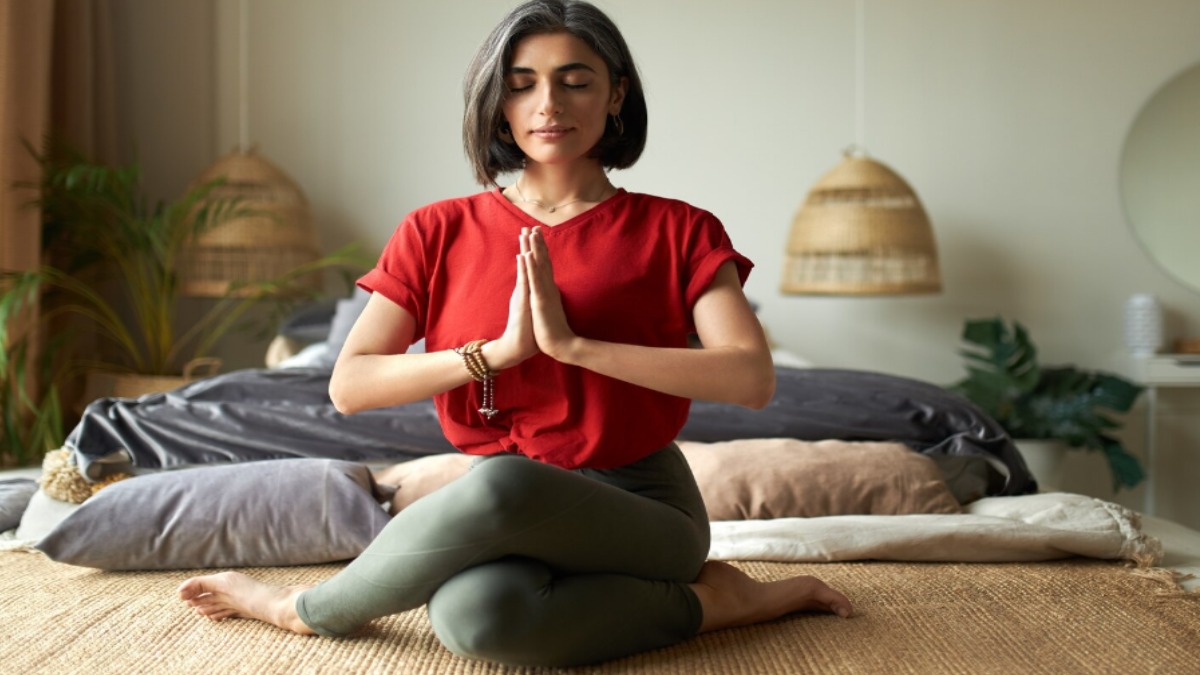
Yoga is one activity that many people use as part of their stress-management routine. Combining physical postures, controlled breathing, relaxation and mindfulness, yoga can provide a structured way to slow down and reconnect with the body and mind.
But how exactly does yoga help relieve stress.
Related Articles
Yoga Encourages Deep, Controlled Breathing
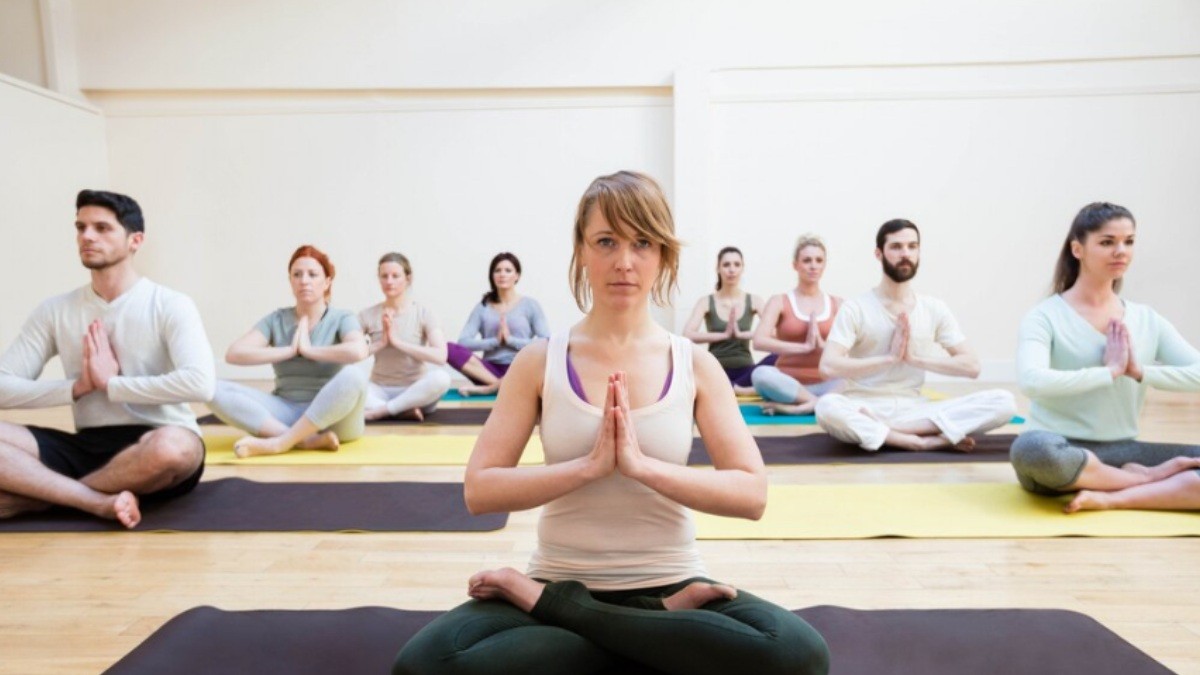
Breathing is one of the most important connections between yoga and stress management. Many yoga practices incorporate slow, deliberate breathing techniques.
When people are stressed, their breathing may become faster and shallower. Practising slow breathing can encourage relaxation and help shift attention away from stressful thoughts.
Breathing exercises can also provide a simple tool that people can use outside their yoga practice. Taking several slow, comfortable breaths during a stressful moment may help create a sense of calm before responding to a difficult situation.
Related Articles
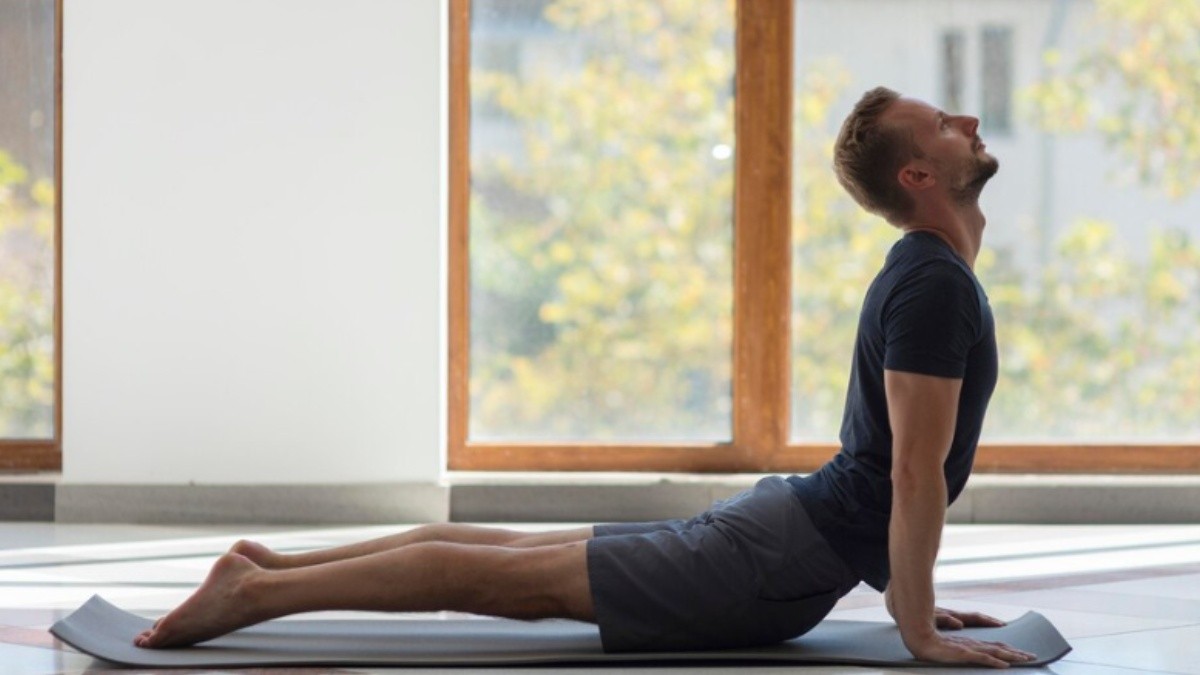
It Helps Relax the Body
Stress is not only an emotional experience. It can also create physical tension. Some people notice tight shoulders, a clenched jaw, stiff muscles or discomfort in the back and neck when they are under pressure.
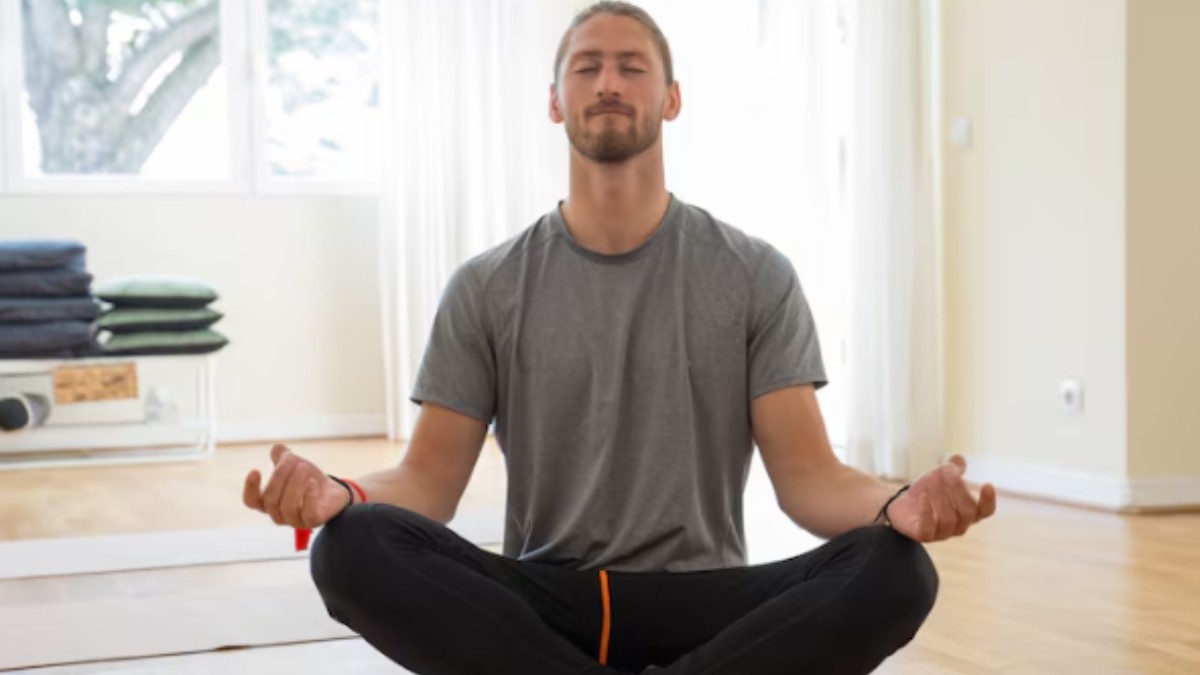
Yoga involves gentle stretching and controlled movements that can help release some of this muscular tension. Relaxation-focused poses may encourage the body to slow down, particularly when combined with steady breathing.
Practising yoga regularly may help people become more aware of where they hold tension and learn to consciously relax those areas.
Yoga Promotes Mindfulness
Another reason yoga can be useful for stress relief is its emphasis on being present.
During a yoga session, practitioners are often encouraged to pay attention to breathing, body position and physical sensations. This can shift attention away from constantly thinking about the past or worrying about the future.
This aspect of yoga overlaps with mindfulness, which involves observing thoughts and feelings without immediately reacting to them.
Developing this awareness may help people respond to stressful situations more thoughtfully rather than automatically reacting to every difficult thought.
Physical Activity Can Support Mood
Yoga is also a form of physical activity. Movement can support overall health and may contribute to better mood and emotional well-being.
Unlike highly intense workouts, many forms of yoga can be adapted to different fitness levels. Gentle yoga may be appropriate for people who are new to exercise, while more physically demanding styles can provide a stronger workout.
Choosing a style that matches your fitness level and comfort can make the practice more enjoyable and sustainable.
Yoga May Support Better Sleep
Stress and poor sleep can create a cycle. Stress can make it difficult to fall asleep, while insufficient sleep can make everyday challenges feel more difficult.
Relaxation-focused yoga, particularly when practised earlier in the evening, may help some people transition into a calmer state before bedtime.
Gentle stretches and breathing exercises can become part of a relaxing nighttime routine. However, persistent sleep problems should be discussed with a healthcare professional rather than relying solely on yoga.
Yoga Creates Time Away From Daily Distractions
Modern life often involves constant notifications, emails, social media and multitasking. Even a short yoga session can create an opportunity to step away from these distractions.
Setting aside 15 to 30 minutes for movement and breathing can provide a psychological break from daily responsibilities.
This does not mean that every yoga session needs to be long. Consistency can be more important than duration.
Simple Yoga Practices for Stress Relief
People who want to use yoga for stress management can begin with gentle practices such as:
- Child's Pose
- Cat-Cow stretches
- Easy seated pose
- Standing forward fold
- Legs-Up-the-Wall pose
- Gentle spinal twists
- Corpse Pose or Savasana
- Slow diaphragmatic breathing
Movements should be comfortable and should never be forced. Anyone with an injury, medical condition or pregnancy-related concerns should ask a qualified healthcare professional about appropriate exercises.
Yoga Is Not a Replacement for Professional Care
Yoga can be a useful complementary strategy for managing everyday stress, but it should not be considered a cure for anxiety disorders, depression or other mental health conditions.
If stress is persistent, overwhelming or interfering with daily life, professional support may be appropriate. A doctor, therapist or mental health professional can help identify underlying causes and recommend suitable treatment.
How to Make Yoga Part of a Stress-Management Routine
You do not need to become an expert to benefit from a simple yoga routine. Start with a manageable amount of time and gradually develop consistency.
Choose a quiet space, put away unnecessary distractions and focus on breathing and comfortable movement. Even a short session can become a valuable pause in a busy day.
The key is to treat yoga as an opportunity to care for yourself rather than another task that must be performed perfectly.
So, how is yoga a stress remover. Yoga can support stress management by combining movement, controlled breathing, mindfulness and relaxation. It may help reduce physical tension, encourage a calmer breathing pattern, improve body awareness and create valuable time away from everyday distractions.
The benefits are likely to be greatest when yoga becomes part of a broader healthy lifestyle that includes adequate sleep, regular physical activity, nutritious food, supportive relationships and appropriate professional care when needed.
Yoga does not make life's challenges disappear, but it can provide practical tools for responding to them with greater awareness and calm.




Comments 0