
Stress and anxiety are all part of our life now. Work pressures, money problems, relationship problems, social pressures, constant digital stimulation can overwhelm your mind. That is a normal response to difficult situations but more and more stress is a problem with sleep, concentration, mood and overall well-being.
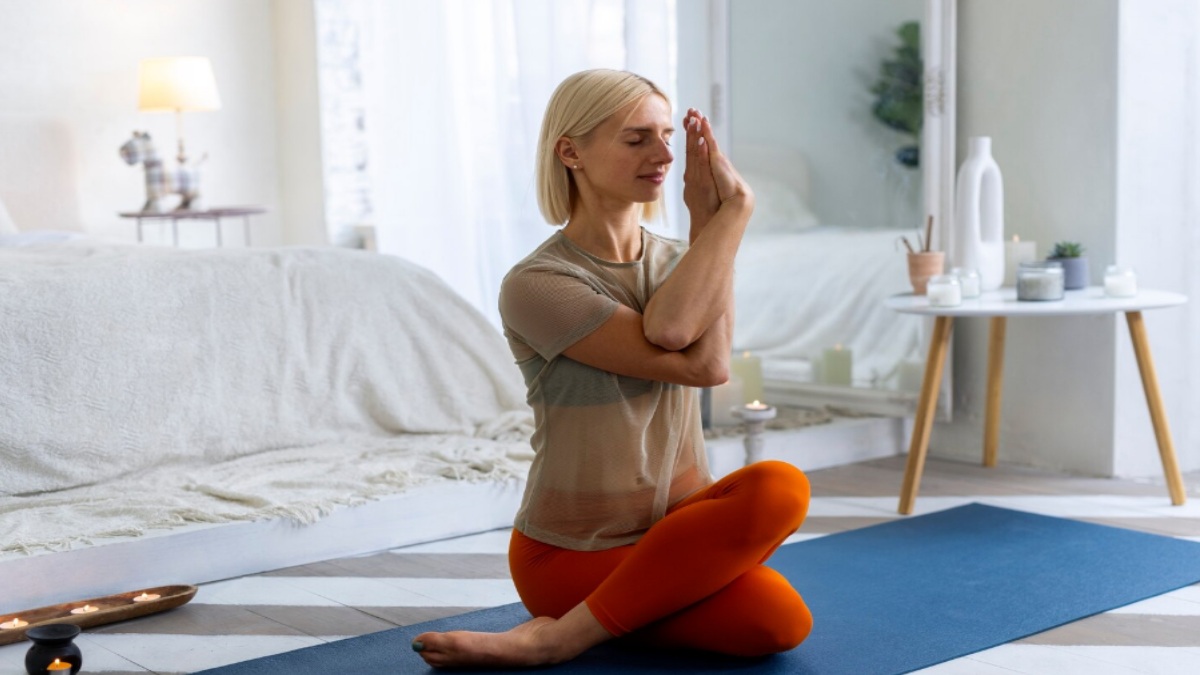
Yoga can be a useful complementary practice for people looking for healthier ways to manage everyday stress. It combines physical movement, controlled breathing and mindfulness, offering an opportunity to slow down and pay attention to the present moment. While yoga is not yet a substitute for professional treatment when anxiety is extreme or persistent, regular practice can support relaxation and emotional well-being.
Yoga Has Been Called to Assist With Stress
Yoga encourages people to coordinate movement with breathing while keeping conscious of their bodies. This deliberate focus can take your mind off of pointless thoughts and daily distractions.
Related Articles
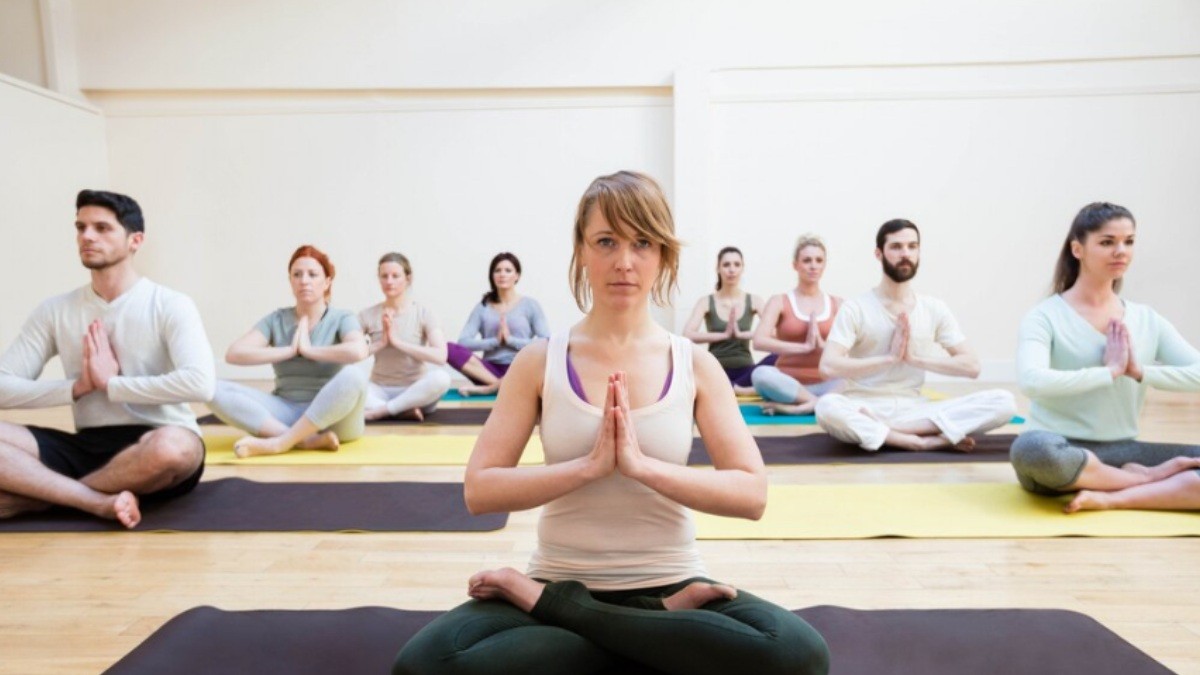
Slow movements and relaxation strategies can reduce physical tension. Breathing is also important for a calmer rhythm during times of stress in daily life.
The benefits may be more visible when yoga is done in a routine and not only when one is in the most stressful times.
1. Do Gentle Yoga Poses
If yoga is to be used in stress management, you don’t need to do advanced poses. Gentle postures may be a great starting point.
Related Articles
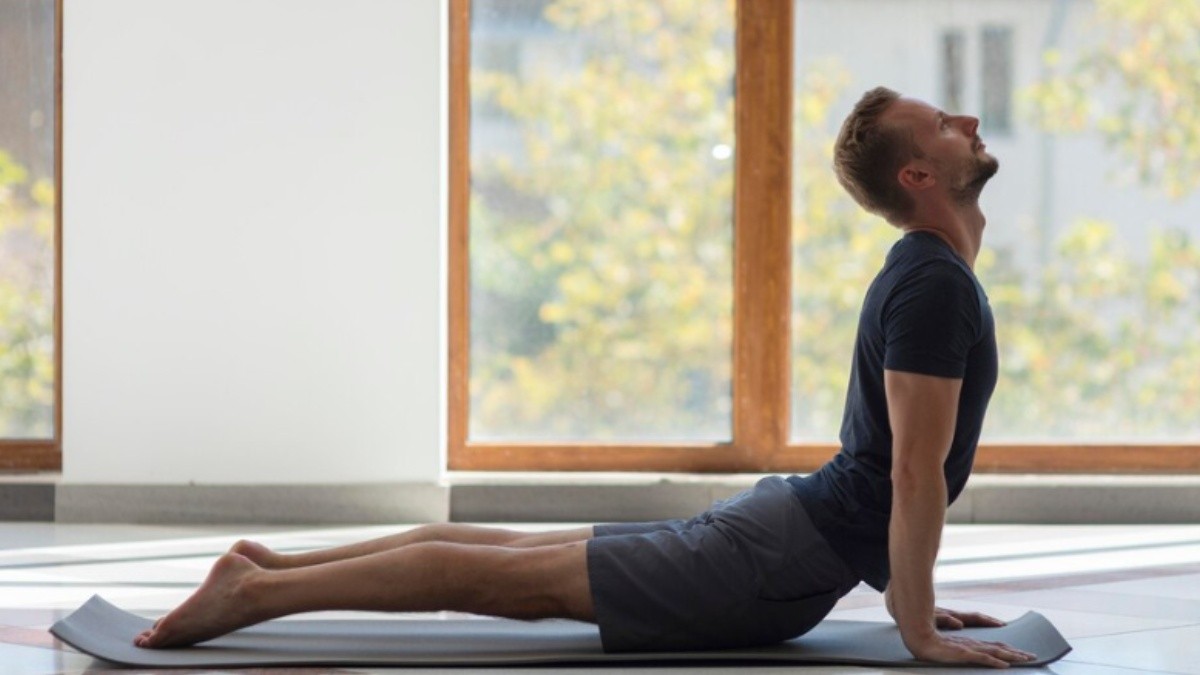
Child’s Pose (Balasana) can provide a peaceful resting position; Cat-Cow (Marjaryasana-Bitilasana) encourages gentle movement of the spine. If it’s comfortable, Standing Forward Fold can also be included.
The idea isn’t to stretch as far as possible. And rather to be slow and controlled and comfortable breathing.
2. Slow, Conscious Breathing
Breathing is a part of yoga’s practices and rituals. In stress situations people may unconsciously breathe faster or shallowly.
A simple way to practice is to sit comfortably and observe your natural breathing. Gradually make each breath slow and comfortable without forcing it.
You can also try gently extending the exhalation if that feels comfortable. Stop any breathing exercise that causes dizziness, discomfort or distress.
People with respiratory or cardiovascular disorders should talk to the appropriate healthcare provider about unfamiliar breathing techniques.
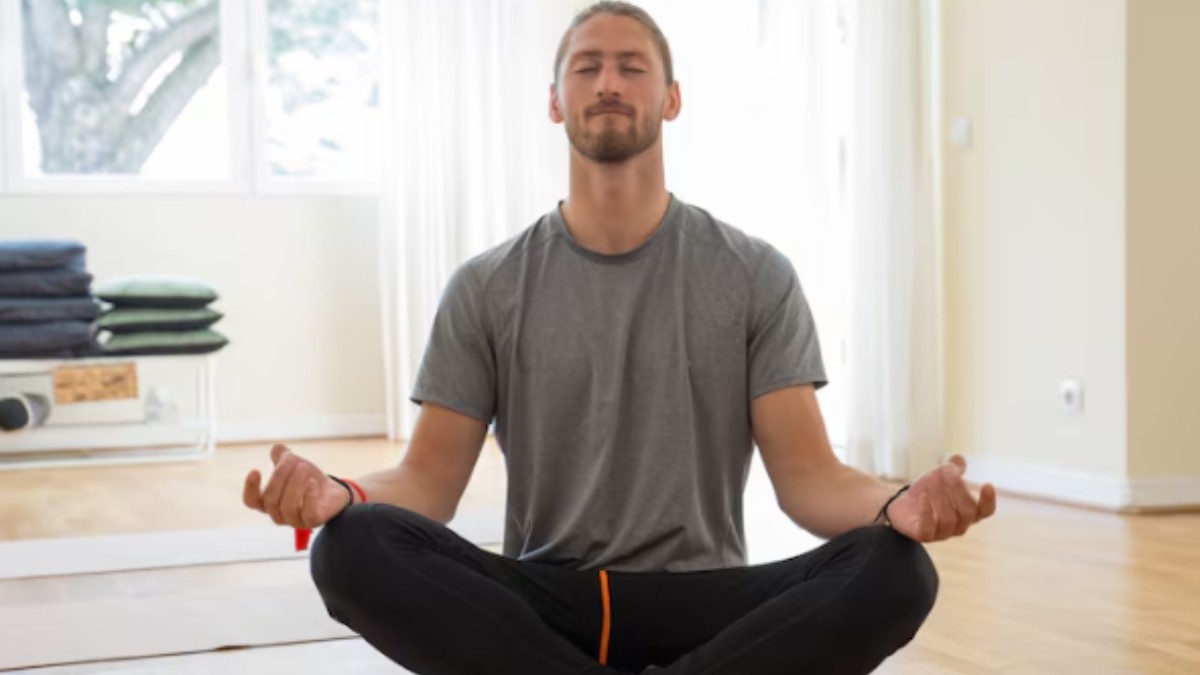
3. Try a short meditation
Meditation can complement physical yoga practice. After a few gentle poses, sit or lie comfortably and take your attention to your breathing.
When thoughts appear there is no need to fight them. Just notice them and return to the breath.
Even a few minutes of mindfulness can provide a mental pause during a busy day. With regular practice, this can be a good relaxation habit.
4. Use Yoga to Release Physical Tension
Stress can manifest physically as tight shoulders, a tense jaw, stiff hips or an uncomfortable back. Gentle yoga movement may help to make these areas more apparent.
Slow shoulder rolls, gentle neck movements and stretch in a comfortable way. Don’t force a joint into a position that’s painful or force a joint to move to a position that causes pain.
A good yoga teacher will be able to teach beginners the correct alignment and adjustments.
5. Conduct Restorative yoga
Restorative yoga is supported, comfortable poses and relaxation rather than physical effort. Some positions can be made more comfortable with cushions, blankets and bolsters.
This style can be especially appealing after a grueling day when the goal is to unwind rather than get a workout in.
A restorative schedule for evening should also help to help make a calming transition to bedtime.
6. Set up a consistent routine
Consistency is almost always more important than intensity. And a 10- or 15-minute yoga session that you can comfortably maintain may be more useful than an ambitious routine that soon becomes difficult to follow.
To you, decide a routine that works for you. Some people enjoy morning yoga to begin the day in the morning to meditate on an evening and others have a gentle evening practice of gentle evening yoga for meditation and to focus on it to be calm, some people love to do it more and others practice it in the evening to relax.
The routine could be stretching, breathing, meditation, or a combination of the three.
7. Combine Yoga with Other Healthy Habits
Yoga is best in combination with a whole life philosophy of living. Physical activity is essential, sleep is important, food is healthy and time outdoors and social relationships are important to a person's mental health.
Reducing screen time and taking short breaks during long periods of work may also help manage daily stress.
Yoga is a necessary complement to these habits as opposed to being viewed as a one-size-fits-all answer to every emotional puzzle.
When to seek professional help
Stress or anxiety is so much more than being self-care. If anxiety is persistent, consuming, or interfering with work, relationships, sleep or everyday life, then it’s time to seek out a mental health professional.
People who are thinking of self-harm or unable to stay safe should seek urgent professional help or contact local emergency services.
Yoga can be used in conjunction with appropriate medical or psychological care when recommended.
Yoga is an effective way to mix movement, breathing and mindfulness in an integrated one. Gentle postures can release physical stress and meditation can also help with relaxation and present-moment awareness.
You don’t have to be flexible or experienced to begin. Begin slowly, choose comfortable practices and listen to your body. With consistency, yoga can be a part of a whole strategy of managing daily stress and supporting emotional well-being.




Comments 0