
Yoga is widely recognised for its ability to promote physical flexibility and relaxation, but its potential benefits extend beyond the body. For students, regular yoga practice may support mental well-being, concentration, stress management and healthy routines that can complement academic life. Although yoga should not be viewed as a guaranteed way to improve grades, incorporating appropriate yoga and mindfulness practices into a student's routine may create conditions that are more supportive of learning.

Academic life can be demanding. Students often manage examinations, assignments, deadlines, social expectations and concerns about their future. Persistent stress can make it harder to concentrate and may affect sleep, mood and motivation. Yoga combines physical movement with controlled breathing and focused attention, making it a potential tool for managing some of the everyday stress associated with education.
One of the most noticeable ways yoga may affect the mind is through relaxation. Many yoga practices encourage slow, controlled breathing and awareness of the present moment. These techniques can help students step away temporarily from academic pressures. A short yoga session between study periods may provide an opportunity to reset mentally rather than continuing to work while feeling overwhelmed.
Related Articles

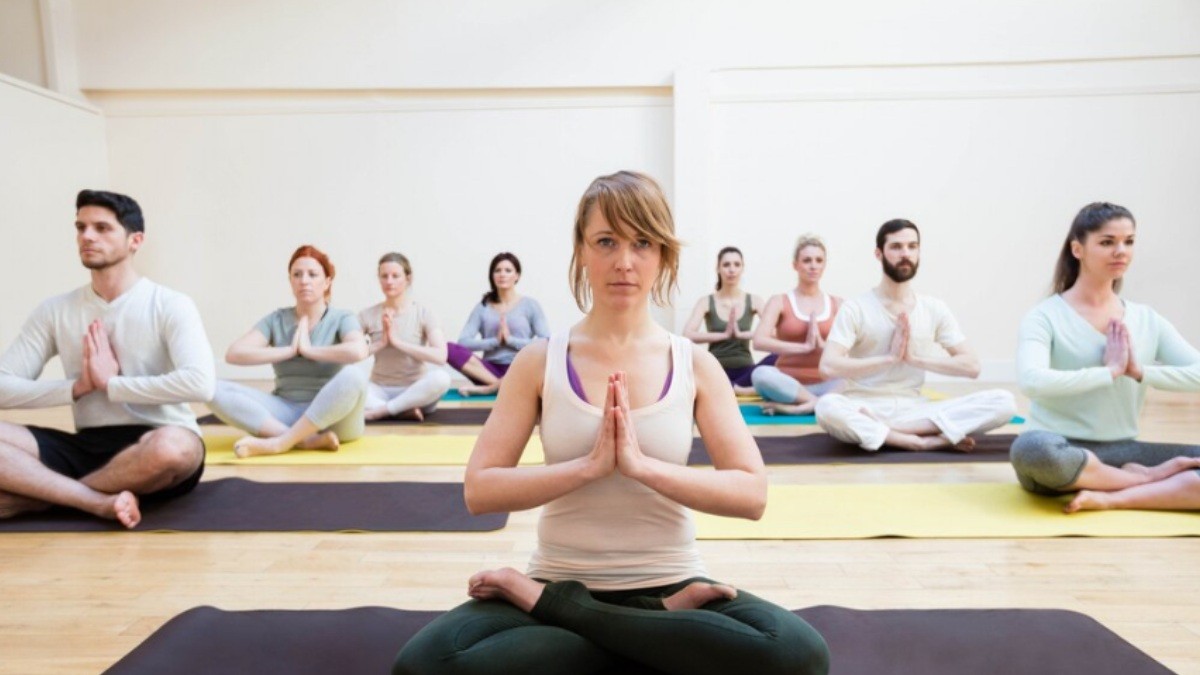
Concentration and attention are also important aspects of academic success. Students need to remain focused while reading, listening to lectures, solving problems and preparing for examinations. Yoga requires participants to pay attention to body position, breathing and movement. Regular practice may encourage greater awareness and the ability to direct attention toward a specific task.
Mindfulness is closely connected with this process. Mindfulness involves paying attention to the present moment without becoming overly distracted by thoughts about the past or future. Students may apply this skill while studying by noticing when their attention wanders and gently bringing it back to their work. This does not eliminate distractions, but it can encourage a more intentional approach to learning.
Yoga may also support emotional regulation. Academic setbacks, examination anxiety and performance pressure can trigger frustration or self-doubt. Learning breathing and relaxation techniques can give students additional ways to respond to stressful situations. Rather than reacting immediately to difficult emotions, students may become more aware of how they are feeling and choose a calmer response.
Related Articles


Sleep is another factor connecting yoga with academic life. Students who regularly sacrifice sleep for studying may experience reduced concentration and daytime fatigue. Gentle yoga, breathing exercises and relaxation practices may help some individuals establish a calming bedtime routine. Adequate sleep remains essential, however, and yoga should complement rather than replace healthy sleep habits.
Physical activity itself can also contribute to overall student well-being. Long study sessions often involve sitting for extended periods, which can result in stiffness and physical discomfort. Appropriate yoga movements can encourage stretching, mobility and body awareness. Short movement breaks during study sessions may also make long periods of academic work more comfortable.
Yoga can be adapted to different ages and fitness levels. Students do not need to perform advanced poses to experience potential benefits. Simple stretches, breathing exercises and beginner-friendly sequences can be incorporated into a daily or weekly routine. Schools and educational institutions may also consider age-appropriate yoga or mindfulness sessions as part of broader student wellness programs.
However, it is important to maintain realistic expectations. Academic achievement depends on many factors, including study habits, teaching quality, learning environment, motivation, sleep, nutrition and individual circumstances. Yoga cannot compensate for inadequate preparation or guarantee higher examination scores. Its potential value lies in supporting mental and physical well-being, which can indirectly create a better environment for learning.
Students can experiment with short sessions rather than attempting lengthy practices immediately. A few minutes of gentle movement and breathing before studying may help create a transition into focused work. Others may prefer yoga after classes as a way to release physical tension and mentally unwind.
Ultimately, yoga can be a useful complementary practice for students seeking better balance between academic responsibilities and personal well-being. By encouraging relaxation, mindful attention, physical movement and stress management, yoga may help students develop habits that support their overall learning experience. When combined with effective study techniques, sufficient sleep, healthy nutrition and appropriate academic support, yoga can become one part of a balanced approach to student health and academic life.




Comments 0