
Yoga continues to evolve as people look for practical ways to combine movement, mental relaxation and overall wellbeing. While traditional yoga remains popular, modern practitioners are increasingly exploring shorter sessions, restorative practices, breathwork, personalised routines and technology-supported experiences.
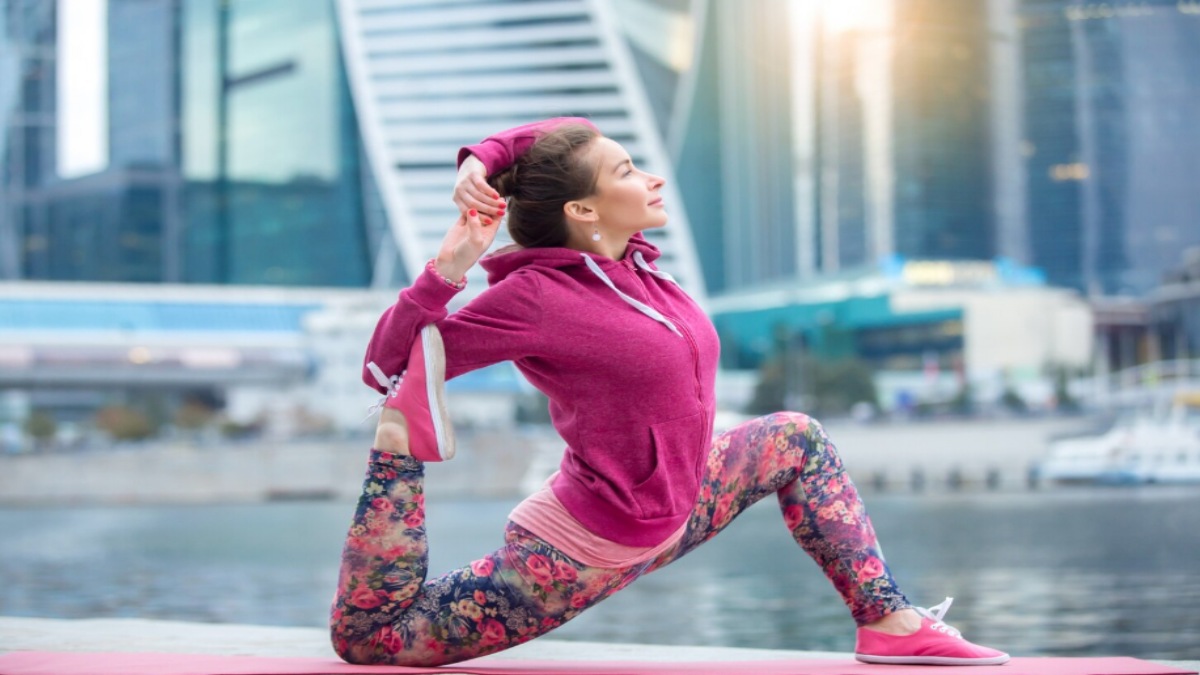
The latest yoga trends are less about mastering difficult poses and more about making yoga accessible, sustainable and relevant to everyday life. From busy professionals looking for 10-minute routines to experienced practitioners exploring meditation and recovery, today's yoga landscape offers something for almost everyone.
Here are some of the yoga trends gaining attention in 2026.
Related Articles
1. Short and Practical Yoga Sessions
One of the biggest shifts is the growing popularity of shorter yoga practices. Instead of setting aside an hour or more, people are incorporating 5-, 10- or 20-minute sessions into their daily routines.
These brief practices may focus on stretching, mobility, breathing, relaxation or a small sequence of poses. The appeal is simple: shorter sessions are easier to fit around work, family responsibilities and travel.
Rather than viewing yoga as an occasional workout, many people are treating it as a daily habit.
Related Articles
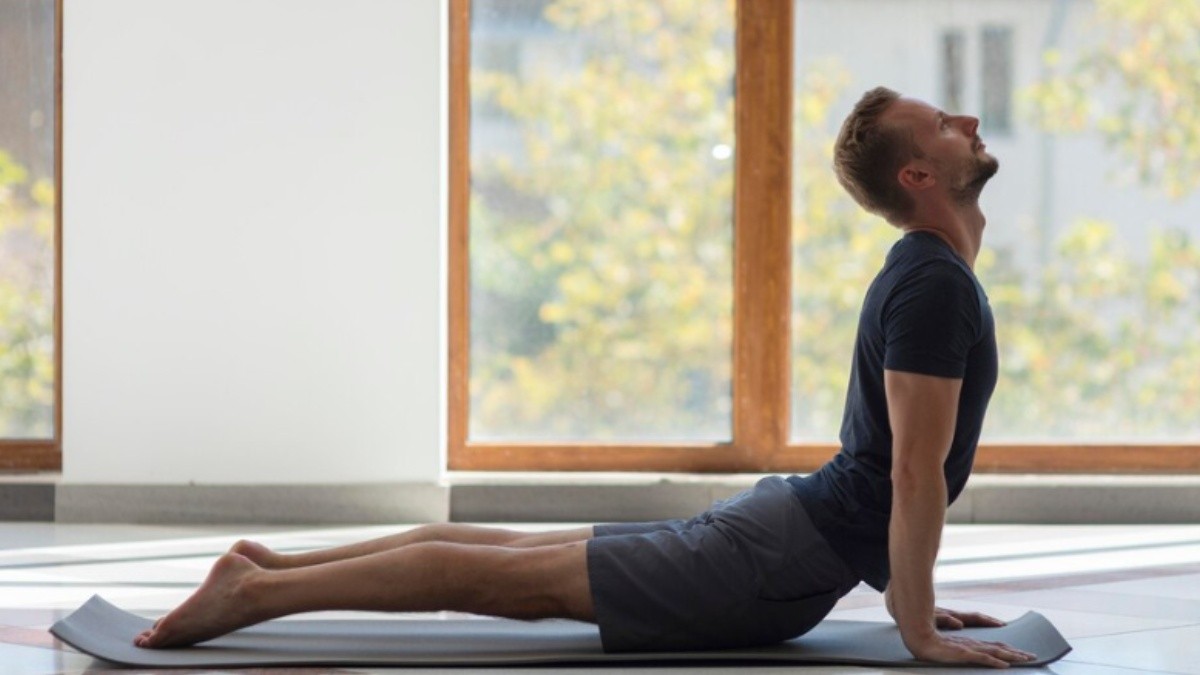
2. Restorative and Gentle Yoga
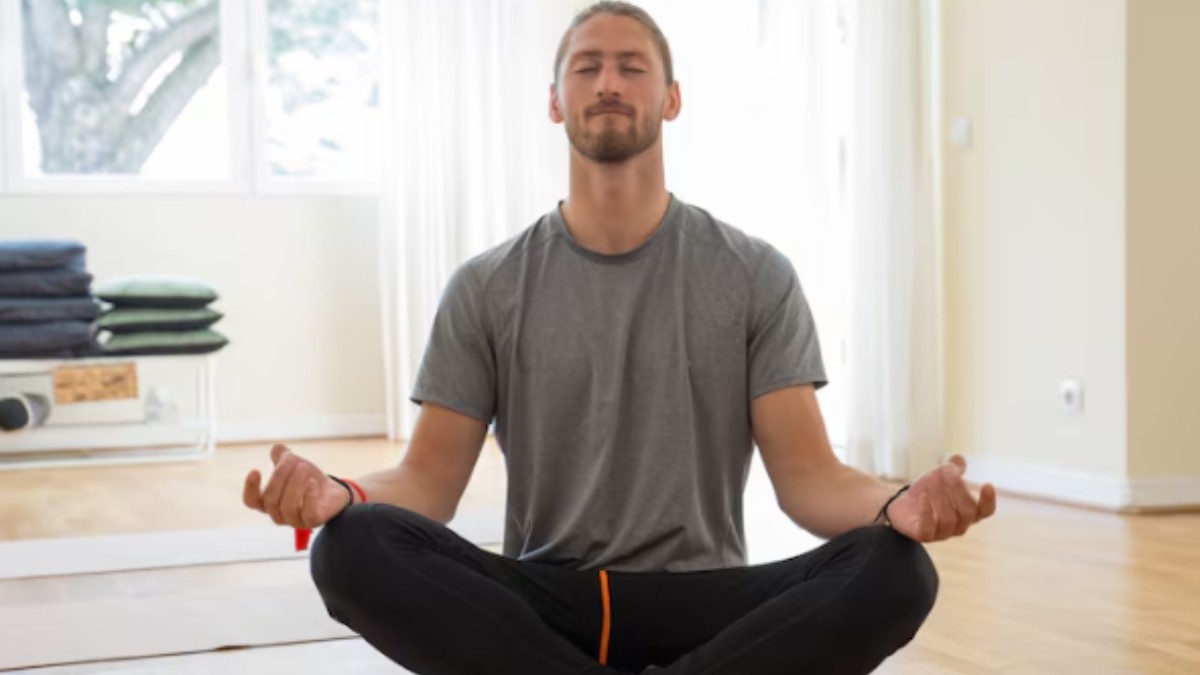
High-intensity fitness has its place, but recovery has become increasingly important. Restorative yoga, gentle yoga and slow-flow practices are attracting people who want movement without excessive physical strain.
These styles typically emphasise comfortable positions, controlled breathing and relaxation. Props such as bolsters, blankets and blocks may be used to support the body.
For people dealing with busy schedules, gentle yoga can provide a transition between an active day and restful evening.
3. Yoga and Breathwork
Breath-focused practices are becoming an increasingly visible part of modern yoga. Rather than concentrating exclusively on physical postures, practitioners are paying greater attention to breathing patterns and mindful awareness.
Pranayama, the traditional yogic practice of breath regulation, can be incorporated into yoga sessions alongside meditation and movement.
Breathing exercises should be learned appropriately, particularly when they involve prolonged breath-holding or intense techniques. Beginners may benefit from starting with simple, comfortable breathing practices.
4. Yoga for Mobility and Functional Movement
Yoga is increasingly being combined with mobility-focused training. Instead of treating flexibility as the only goal, practitioners are exploring movements that support joint mobility, balance, coordination and everyday physical function.
This approach can be especially useful for people who spend long periods sitting at desks or using digital devices.
Yoga-based mobility routines can include gentle spinal movements, hip openers, shoulder mobility exercises and balance work.
5. Technology-Enabled Yoga
Technology has transformed the way people practise yoga. Online classes, mobile apps, wearable devices and digital platforms allow practitioners to follow routines from almost anywhere.
Virtual classes can also provide access to instructors and styles that may not be available locally.
However, technology should complement not replace good instruction. Beginners attempting unfamiliar or advanced poses through online videos should pay attention to technique and avoid movements that cause pain.
6. Personalised Yoga Practices
Another emerging trend is personalisation. Instead of following the same routine every day, practitioners are selecting yoga practices based on their current needs.
One day might involve an energising morning flow, while another could focus on stretching and relaxation. Some people are also adapting practices according to age, fitness level, mobility and personal goals.
This flexible approach can make yoga easier to maintain over the long term.
7. Yoga, Meditation and Mental Wellness
Yoga's connection with mindfulness and meditation continues to attract attention. Many modern classes incorporate a few minutes of meditation, breath awareness or relaxation before or after physical practice.
The goal is not simply physical fitness but creating a more mindful relationship between body and mind.
Yoga should not be considered a replacement for professional mental health care when someone is experiencing significant psychological distress. However, mindfulness-based practices can be part of a broader wellbeing routine.
8. Community-Based Yoga
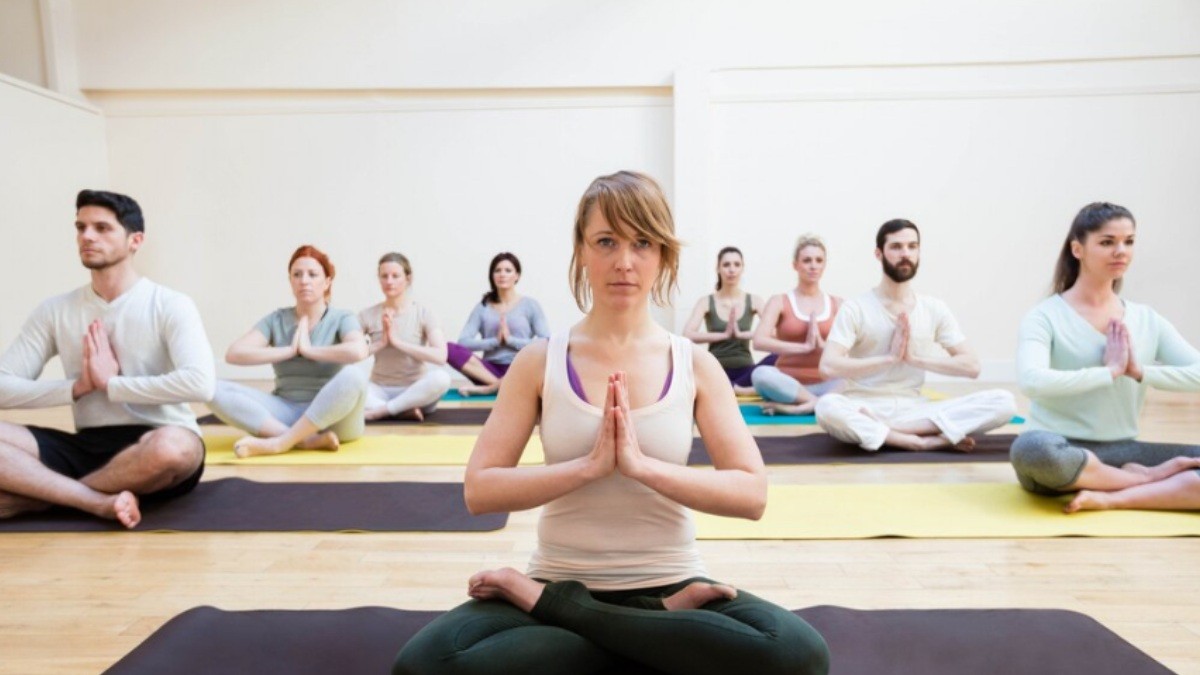
Despite the growth of online fitness, in-person yoga communities remain important. Outdoor yoga sessions, workplace classes, wellness retreats and community programmes give practitioners opportunities to exercise while connecting with others.
This social aspect can make regular practice more enjoyable and motivating.
The Future of Yoga Is Flexible
The latest yoga trends show that the practice is moving beyond the idea that yoga must involve lengthy sessions or advanced poses. Modern practitioners are increasingly interested in accessible movement, recovery, mindfulness, breathing and personalised routines.
Whether you prefer a traditional class, a short home session, restorative yoga or a technology-supported practice, consistency is more important than following every new trend.
The best yoga routine is one that fits your body, lifestyle and goals and one you can practise safely and regularly.




Comments 0