
Yoga and meditation are often associated with physical fitness, flexibility, relaxation and stress management. However, their traditional roots extend far beyond physical exercise. For many practitioners, yoga and meditation are also pathways to self-awareness, inner discipline and spiritual development.
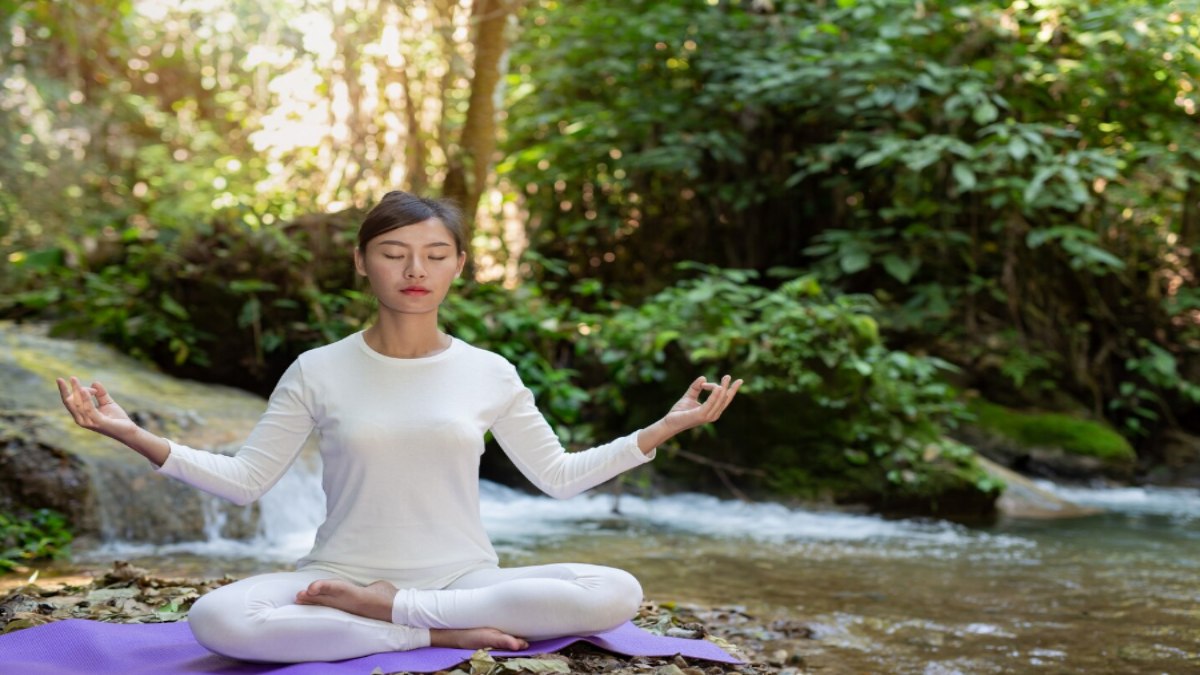
When approached as spiritual practices, they are not simply activities designed to make the body stronger or the mind calmer. Instead, they can encourage people to observe themselves more deeply, understand their thoughts and emotions, and develop a greater sense of connection with life.
Yoga Is More Than Physical Movement
Modern yoga classes often focus primarily on postures, stretching and physical strength. These aspects can certainly be valuable, but traditional yoga encompasses a much broader philosophy.
Related Articles
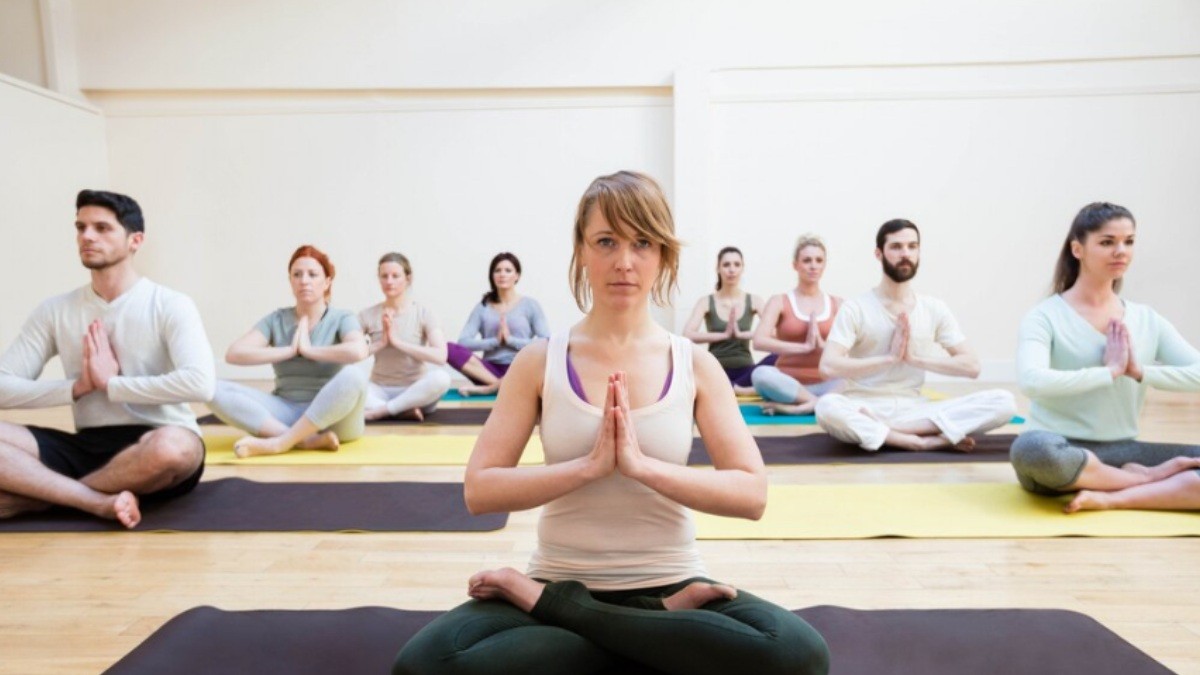
The Sanskrit word yoga is commonly associated with the idea of union or connection. In spiritual traditions, this can refer to a deeper relationship between the individual self and a broader understanding of existence.
Yoga philosophy includes principles relating to ethical living, self-discipline, breath awareness, concentration, meditation and contemplation. Physical postures, known as asanas, can therefore be understood as one component of a much larger practice.
Practising yoga with awareness can encourage people to become more attentive to their bodies, breathing patterns and mental states.
Related Articles
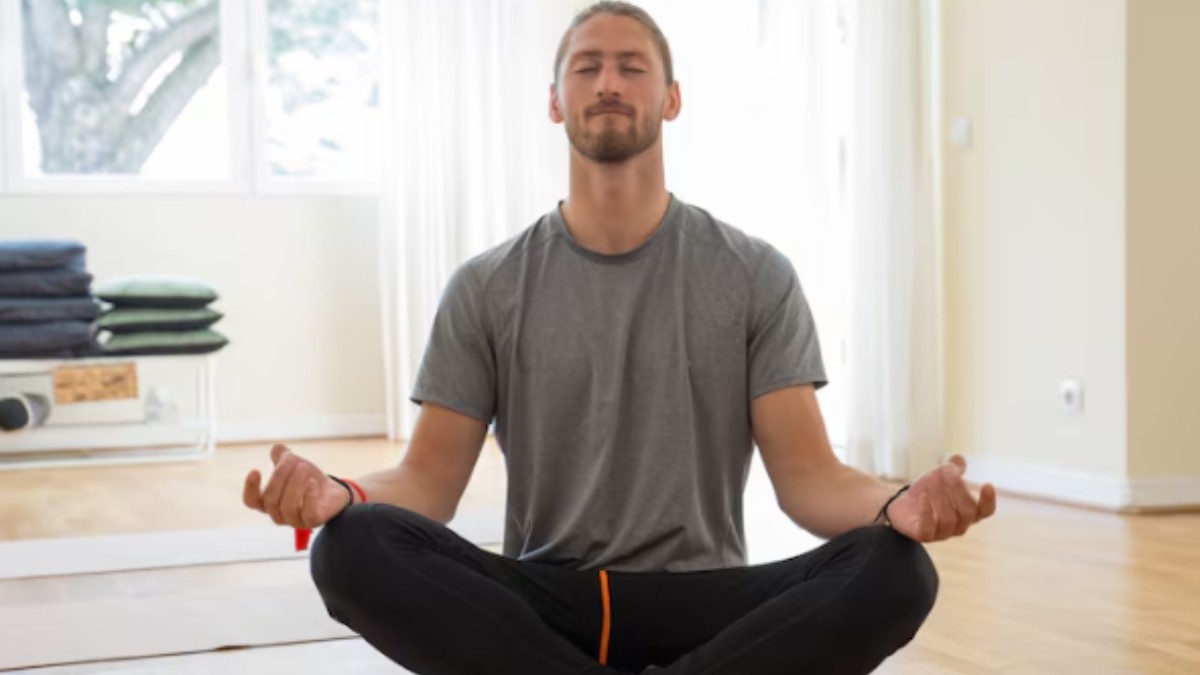
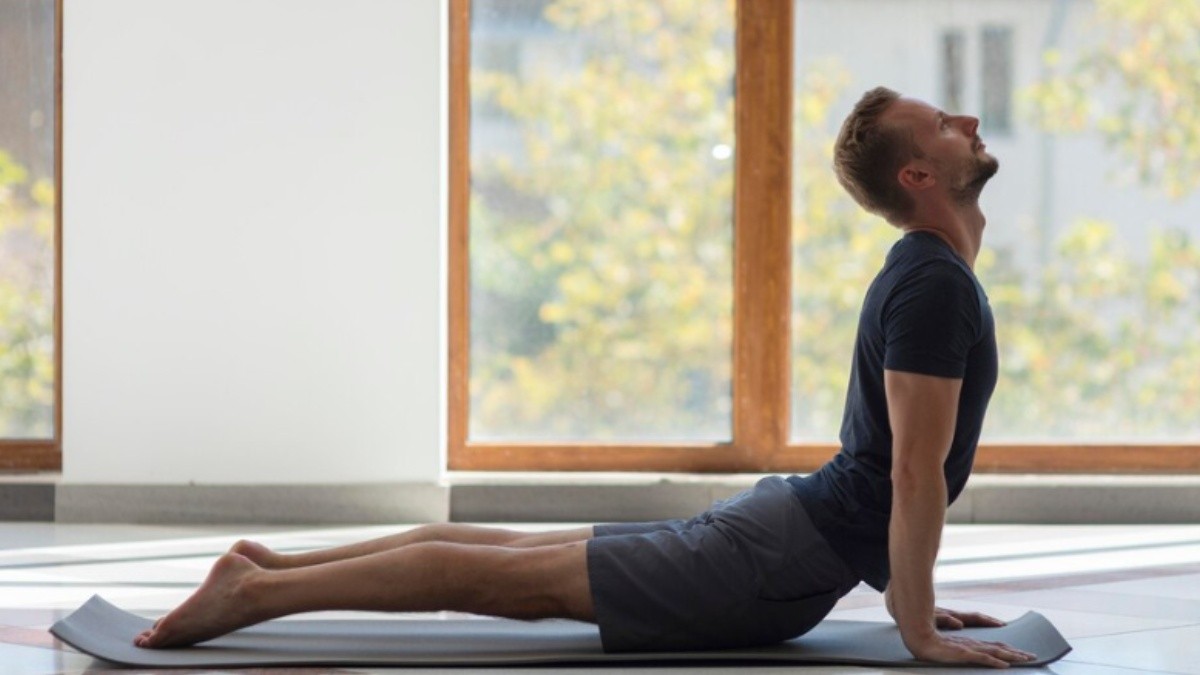
Meditation Encourages Inner Observation
Meditation is another important component of many spiritual traditions. Rather than requiring someone to eliminate every thought, meditation can involve learning to observe thoughts without immediately reacting to them.
A practitioner might focus on breathing, bodily sensations, a mantra, a visual object or simply the present moment. When the mind wanders, attention is gently brought back to the chosen focus.
Over time, this practice can encourage greater awareness of habitual reactions. Instead of automatically responding to every thought or emotion, a person may develop more space between an experience and their response to it.
The Role of Breath
Breathing connects the physical and mental aspects of yoga and meditation. Practices involving conscious breathing can encourage people to pay closer attention to the present moment.
In yoga traditions, breath regulation is often referred to as pranayama. Different techniques have been traditionally used for concentration, relaxation and cultivating awareness.
For beginners, simple and comfortable breathing exercises are generally a sensible starting point. More advanced breath practices should be learned from an appropriately trained teacher, particularly when they involve prolonged breath retention or intense techniques.
Spiritual Practice Does Not Have to Mean Religious Practice
One common misconception is that practising yoga or meditation spiritually requires following a particular religion. For many people, spirituality and religion overlap, while for others they are separate.
Someone may use meditation to explore questions about meaning, identity, compassion and connection without adopting a specific religious belief.
Similarly, yoga can be approached as a philosophical and contemplative discipline while respecting the diverse traditions from which it developed.
Developing Self-Awareness
One of the deeper purposes of meditation and yoga is cultivating awareness.
During yoga practice, people may notice tension, discomfort, impatience or the desire to perform perfectly. Meditation can reveal recurring thoughts, emotional patterns or habitual reactions.
Rather than judging these observations, practitioners can learn to approach them with curiosity.
This does not mean ignoring difficult emotions. Instead, greater awareness can help a person recognise what they are experiencing and respond more consciously.
Creating a Sense of Inner Balance
Modern life can involve constant stimulation from work, technology, social media and everyday responsibilities. Creating even a few quiet minutes each day can provide an opportunity to slow down.
A regular yoga or meditation practice may become a personal ritual that separates periods of activity from periods of reflection.
The benefits do not necessarily come from practising for hours. Consistency and mindful attention can be more meaningful than simply increasing the duration of a session.
Compassion and Connection
Spiritual yoga and meditation are not only about personal peace. Traditional teachings also place importance on qualities such as compassion, non-harming, truthfulness, discipline and awareness of one's relationship with others.
As practitioners become more aware of their own thoughts and reactions, they may also become more conscious of how their behaviour affects people around them.
This can transform spiritual practice from something performed only on a yoga mat or meditation cushion into an approach to everyday living.
Making the Practice Personal
There is no single way to experience yoga and meditation. Some people may connect with traditional philosophy, while others may prefer mindfulness, breathing exercises or physical yoga combined with quiet reflection.
The important factor is approaching the practice with patience rather than treating it as another achievement to complete.
A gentle daily routine perhaps a few minutes of meditation followed by mindful movement can be a meaningful beginning.
Meditation and yoga can be much more than tools for physical fitness or temporary relaxation. When practised with intention, they can encourage self-awareness, mindfulness, discipline, compassion and a deeper exploration of one's inner life.
Their spiritual dimension does not require perfection or immediate transformation. It can begin with something simple: paying attention to the breath, noticing the body, observing the mind and becoming more present in everyday life.
Ultimately, yoga and meditation invite practitioners to look inward while developing a more conscious relationship with themselves and the world around them.




Comments 0