
Shilpa Shetty has once again demonstrated the power of yoga in a dynamic flow that combines traditional asanas with continuous, breath-synchronised movements. The actor and wellness enthusiast has frequently shown how yoga can be a workout machine and a so-called workout machine to the ancient practice.
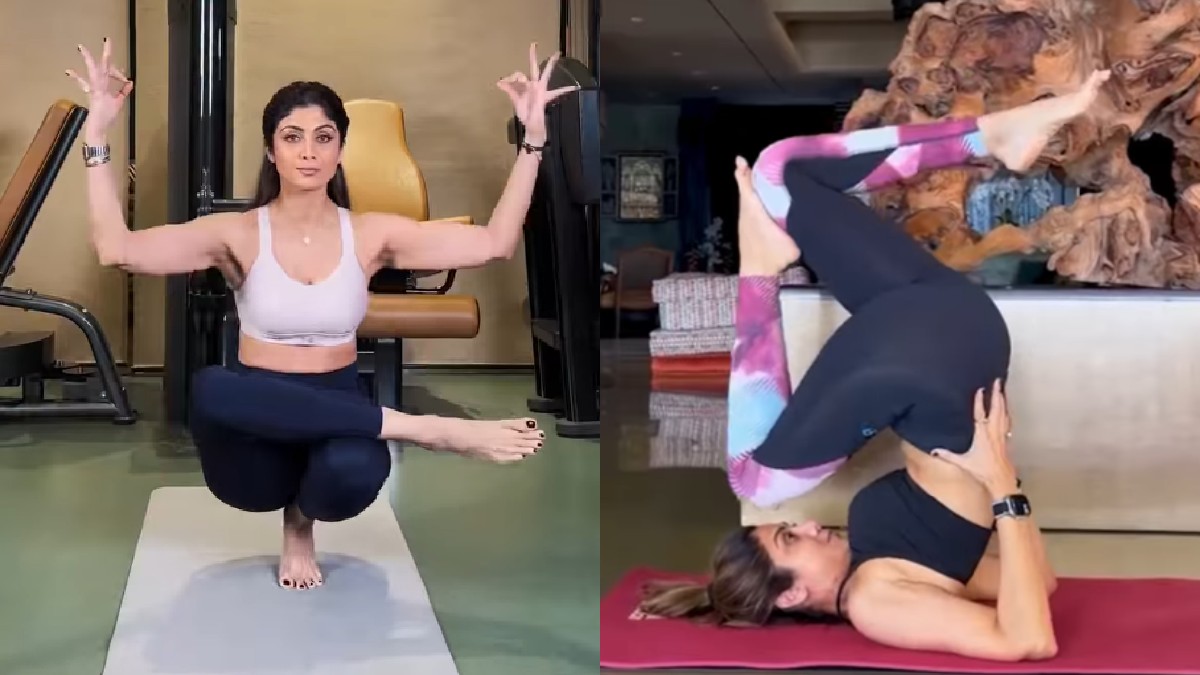
Instead of a series of poses that take place over long periods of time, a flowing yoga sequence connects different postures with controlled transitions. When the body is synchronized with breathing, this rhythm can induce an awareness of the body in a way that is meditative at once and also physically demanding.
What makes a Dynamic Yoga flow different?
Traditional yoga comes in very diverse forms, from slow, restorative yoga to physically demanding ones. When it comes to flow, we think of a dynamic flow as moving from one asana to another in a very short amount of time. The continuous transitions can be extremely challenging to balance, to cooperate, to have strength and flexibility.
Related Articles
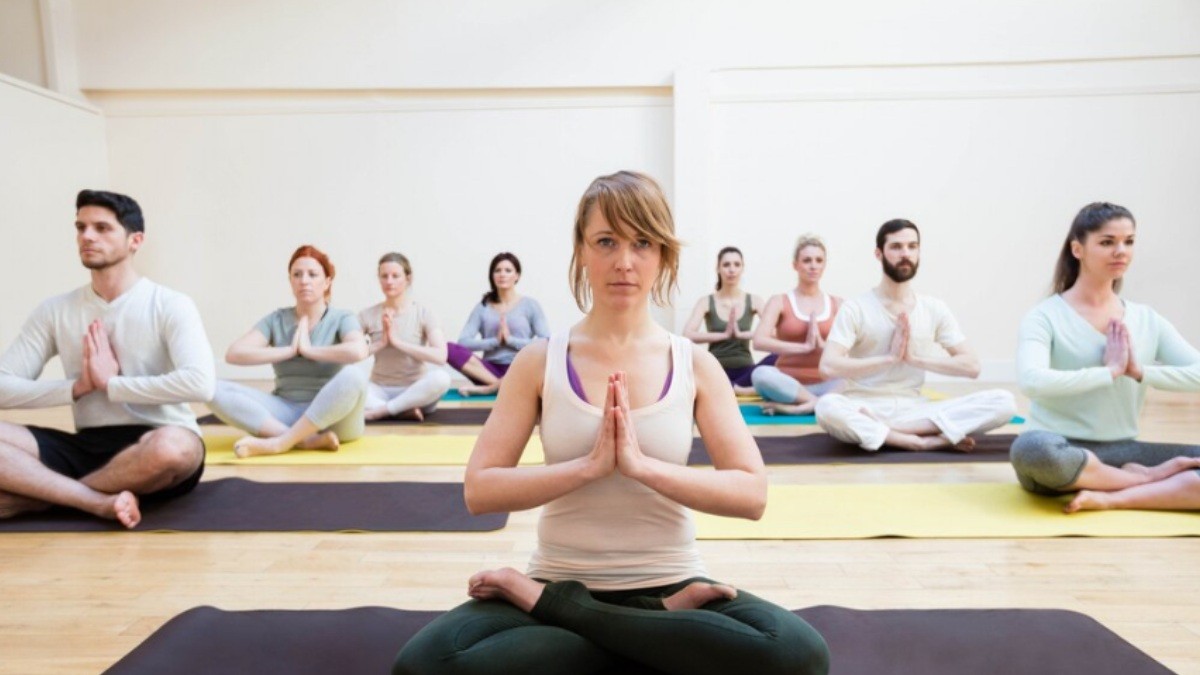
Breathing is still a big part of the practice. Rather than treating breathing as an independent part of movement, inhalations and exhalations might be grouped. This will help set a rhythm and increase concentration.
Shilpa Shetty’s approach illustrates how yoga can be a traditional as well as an active fitness practice. By linking familiar postures together, the flow can offer a full-body movement session without losing the mindful element of yoga.
Why breath synchronised movement is important?
Breath is central to many yoga practices. Coordinating movement and breathing allows practitioners to stay in the present moment and not rush through the sequence.
Related Articles
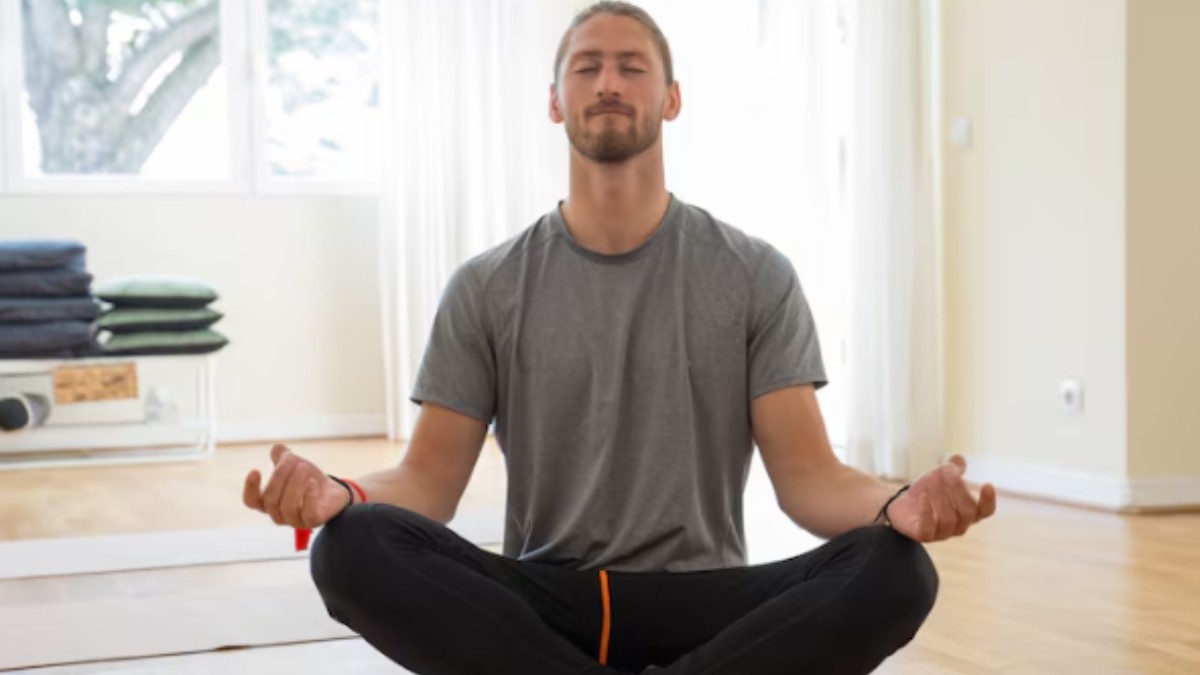
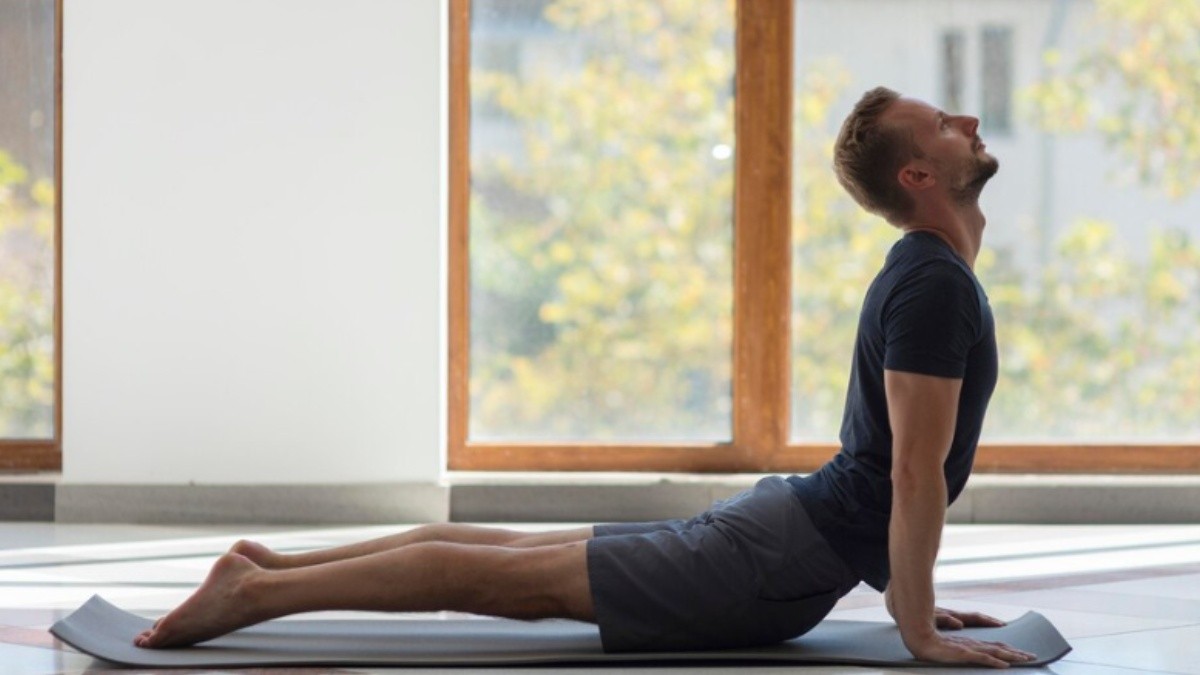
During a dynamic flow, inhaling may accompany movements that open or lengthen the body, while exhaling may be paired with movements that fold or contract the body. The exact breathing pattern can vary according to the specific yoga sequence and instructor.
To keep a comfortable breathing rhythm is essential. The novice should not hold their breath and not try to keep up with the advanced practitioner. The goal is controlled and comfortable movement, not speed.
Benefits for strength and flexibility.
A flowing yoga practice can engage multiple muscle groups. Depending on the asanas included, sequences may challenge the legs, core, shoulders, arms and back. Repeated transitions can also require the body to stabilise itself, making balance and coordination important components of the workout.
Regular yoga practice could also support flexibility and mobility. Flexibility is developed with moving through different ranges of motion as the body becomes more comfortable with controlled stretching. But flexibility develops slowly and taking a position outside a comfortable range will cause injury.
Dynamic yoga can also assist in physical endurance as exercise is continuous and the body is active longer. Depending on the pace and postures, the intensity of yoga can differ dramatically.
A Mind-Body Workout
One of the most striking aspects of yoga is its simultaneous physical movement and mental awareness. A dynamic flow can be physically demanding, but paying attention to breathing and alignment in order to keep yourself in mind and in alignment adds a mindfulness-based element to a workout.
Concentrating on each transition can not only keep our mind from getting distracted but also yoga is very different from workouts that are based mainly on cardiovascular or strength training.
In fitness routines that are different, dynamic yoga can also be an opportunity to work on physical conditioning and mental focus for people who want to work on physical conditioning as well.
How beginners can approach a yoga flow.
People who are new to yoga don’t need to start with a very basic sequence immediately. When starting with basic postures and perfect alignment it is better to gain confidence before jumping into more complex ones.
A brief warm-up will also prepare the body for movement. Beginners can then do simple sequences at a comfortable pace and focus on breathing calmly and not on any particular pace.
Modifications can help with some poses. Yoga blocks, straps or a folded mat can help if you need it. Anyone who has a history of injury or illness or a very strong physical limitation should consult a doctor before starting a new exercise program.
Consistency matters more than complexity
In order to keep a routine going, yoga must have challenging poses. But more than that, it is consistency and technique that is important and not advanced exercise.
The sequence of exercises that we are doing regularly can help us develop body awareness, balance and mobility over time. As strength and confidence are built and confidence increases the skill level will increase, so we will gradually develop more difficult variations.
Shilpa Shetty’s dynamic yoga flow also serves as a reminder that fitness doesn’t need to involve high-impact workouts. Yoga can be a multi-faceted movement type that can be tailored to the fitness level and target.
Combining Tradition With Modern Fitness.
The appeal of the dynamic yoga flow is to marry traditional yoga with modern fitness preferences. The asanas are rooted in a well-established practice and the movement of time makes for an energetic workout.
If you are looking to add yoga to your fitness routine, a breath-led flow can be an engaging practice. It can be done as a session on its own or as part of a group exercise program, depending on your needs and fitness level.
Yoga is not a competition ultimately. Movement should be controlled, breathing should be comfortable, and listening to the body is important. Shilpa Shetty’s flowing style shows how traditional asanas can be incorporated into a very dynamic routine and still be connected to movement and breath.




Comments 0