
Physical education is an important part of a child's development, helping students build strength, coordination, endurance and healthy movement habits. Traditionally, school physical education programmes have focused on activities such as running, team sports, gymnastics and other forms of exercise. Yoga offers another option that could complement these activities.
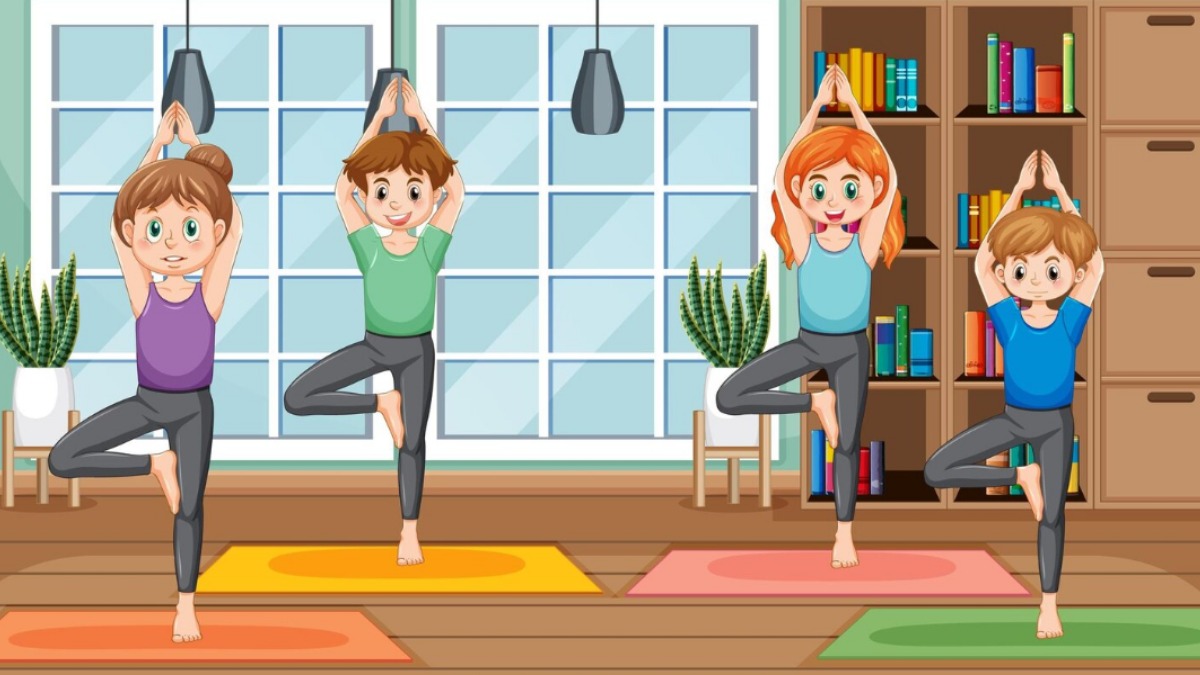
The question of whether yoga should become part of physical education in public schools deserves careful consideration. Yoga combines physical movement with breathing, balance and attention, making it different from many conventional sports. When adapted appropriately for children, it may provide physical and wellbeing benefits while also being accessible to students with different levels of athletic ability.
Yoga Can Support Physical Fitness
One of the strongest arguments for including yoga in physical education is its physical component. Yoga postures can involve stretching, balance, coordination and muscular control.
Related Articles
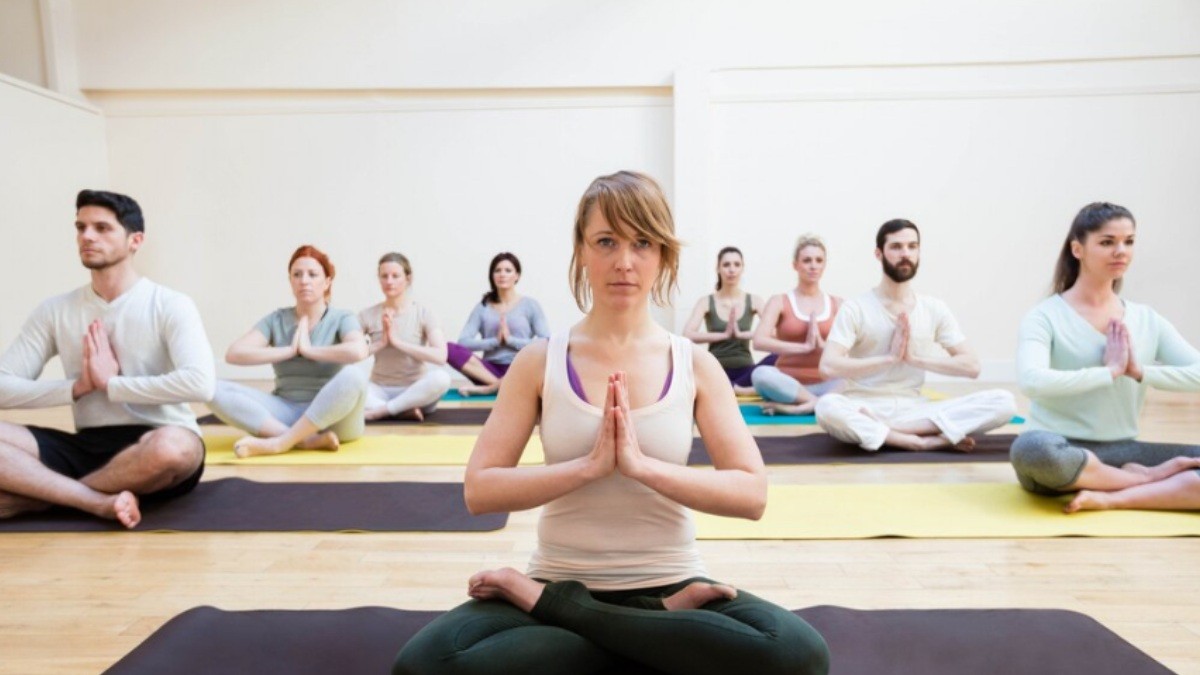
Students who participate regularly may develop greater awareness of body position and movement. Some poses also require students to support their own body weight, which can contribute to muscular endurance.
Yoga should not necessarily replace more vigorous forms of exercise. Children and adolescents also benefit from activities that elevate the heart rate and develop aerobic fitness. Instead, yoga could serve as one component of a broader physical education programme that includes cardiovascular exercise, strength-building activities, games and sports.
Flexibility and Balance Matter
Flexibility and balance are useful physical skills for children, regardless of whether they participate in competitive sports.
Related Articles
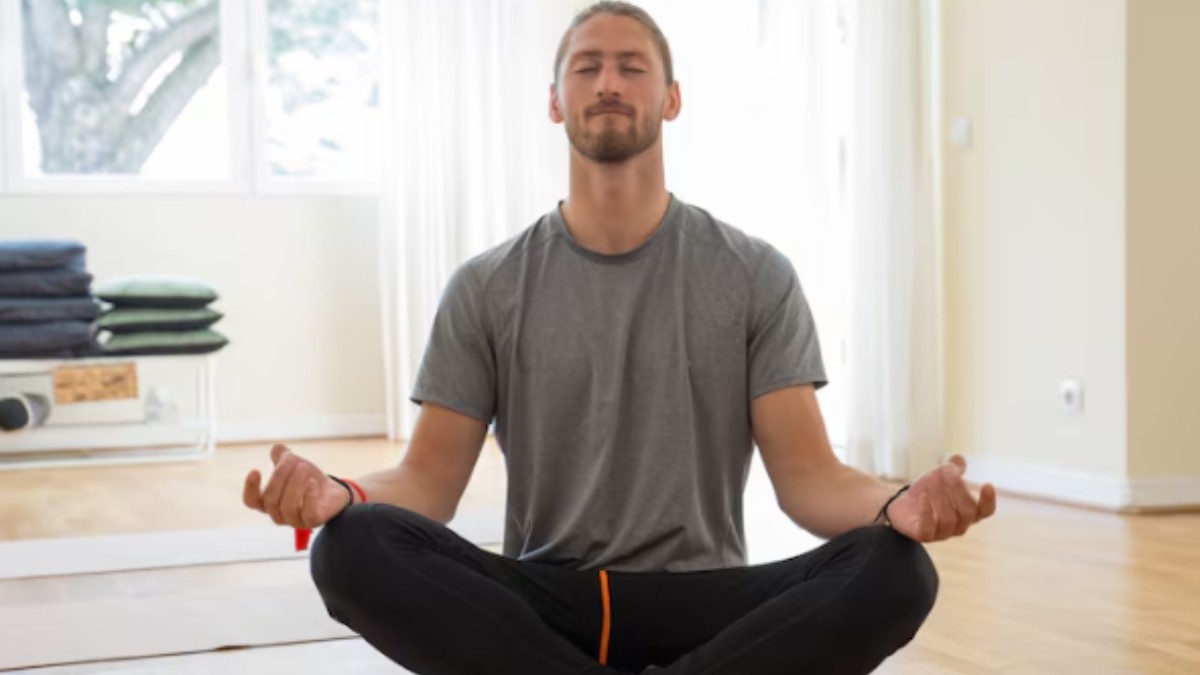
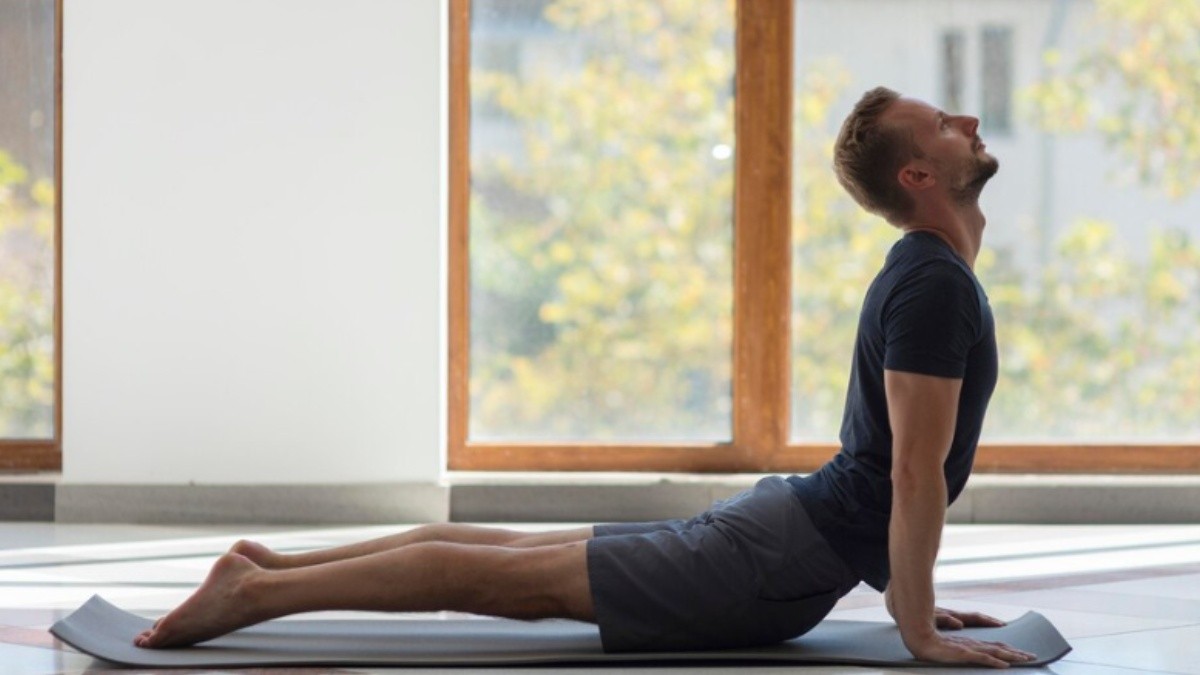
Yoga can introduce students to controlled movements and positions that challenge balance and coordination. These skills can complement other physical activities and may help students become more comfortable moving their bodies.
However, schools should avoid presenting flexibility as a measure of athletic worth. Children naturally have different body types and ranges of motion. The focus should remain on safe movement, body awareness and gradual development rather than forcing students into difficult poses.
Yoga May Encourage Mindfulness
Another feature that distinguishes yoga from many sports is its emphasis on attention and controlled breathing.
Age-appropriate yoga classes may include simple breathing exercises and short periods of quiet focus. These activities can introduce students to ways of noticing their breathing, body sensations and attention.
Some schools use mindfulness-based activities as part of broader wellbeing programmes. Yoga could fit within these initiatives when taught in an inclusive and developmentally appropriate way.
It is important, however, not to promise that yoga will eliminate stress or solve mental health concerns. Students experiencing significant emotional or psychological difficulties should receive appropriate support from qualified professionals.
Yoga Can Be Inclusive
Competitive sports can be rewarding, but not every student enjoys them or feels confident participating in them. Some children may avoid physical education because they believe they are not athletic.
Yoga offers a less competition-focused approach. Students can work at their own level rather than competing against classmates.
This can help create a physical education environment where success is measured by participation, safe movement and personal improvement rather than winning.
Teachers Need Appropriate Training
Making yoga part of school education requires more than simply adding a few poses to a lesson plan.
Teachers should understand age-appropriate instruction, safe alignment, modifications and situations in which a student should not perform a particular movement. Schools may also choose to work with appropriately qualified yoga professionals who have experience teaching children.
Safety should always take priority. Students should never be pressured to perform movements that cause pain or discomfort.
Schools Should Respect Different Beliefs
In public schools, yoga should be presented carefully and inclusively. Some families may associate yoga with specific religious or spiritual traditions, while others view it primarily as physical exercise or mindfulness.
A school programme can focus on movement, breathing, balance and physical education without requiring students to adopt a particular belief system.
Schools should communicate clearly with parents and guardians about what the programme includes and ensure that participation respects relevant educational policies and community standards.
Yoga Is Not a Substitute for Complete Physical Education
The strongest argument may not be that yoga should replace traditional physical education, but that it can broaden the range of activities available to students.
A well-designed programme could combine yoga with running, swimming, team games, strength exercises, dance and other forms of movement.
This approach recognises that physical fitness has multiple components and that students have different interests and abilities.
Building Healthy Habits Early
School is an important environment for developing lifelong habits. Introducing children to different forms of physical activity can help them discover activities they may continue enjoying as adults.
Yoga can be practised with minimal equipment and can be adapted for classrooms, gyms or outdoor spaces. This flexibility may make it a practical addition to some school programmes.
The long-term goal should not be producing expert yoga practitioners. Instead, students can learn the value of movement, body awareness, balance and taking care of their physical wellbeing.
Yoga can be a valuable addition to physical education in public schools when it is taught safely, inclusively and as part of a broader fitness curriculum. Its focus on flexibility, balance, controlled movement and breathing gives students skills that complement traditional sports and exercise.
At the same time, yoga should not replace aerobic activity, strength development or opportunities for children to participate in team and individual sports. Schools should also ensure that instruction is age-appropriate, professionally guided and respectful of diverse backgrounds and beliefs.
Ultimately, the question may not be whether yoga should replace existing physical education, but whether it can provide another meaningful way for students to move, develop physical confidence and build healthy habits for life.




Comments 0