
Yoga has been practised for centuries, but modern science is increasingly examining why this ancient discipline can have such a wide-ranging influence on the human body and mind. Although yoga is often associated with stretching and flexibility, it is much broader than physical exercise. Traditional yoga can combine physical postures, controlled breathing, concentration and meditation, creating an approach that works on several aspects of wellbeing at the same time.
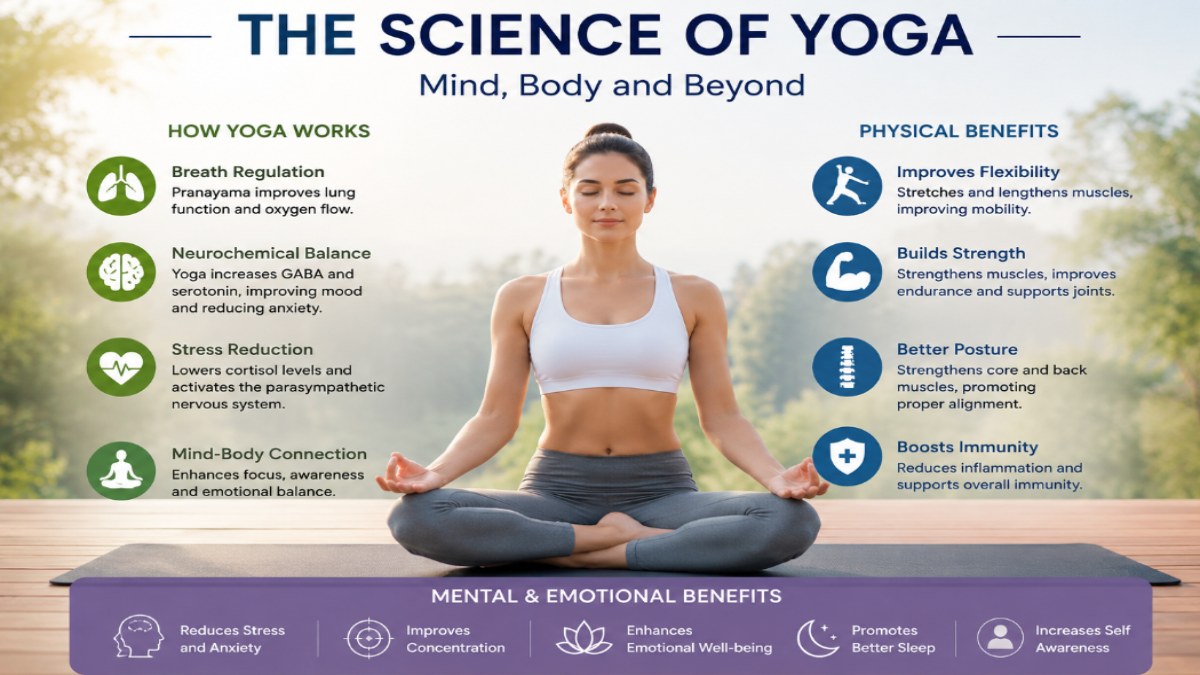
From improving mobility and balance to helping people manage everyday stress, yoga can influence both physical and psychological processes. Its effects can vary depending on the type of yoga, frequency of practice, intensity and an individual's overall health. Understanding the science behind yoga can help explain why it has become such a popular part of modern wellness routines.
How Yoga Affects the Body
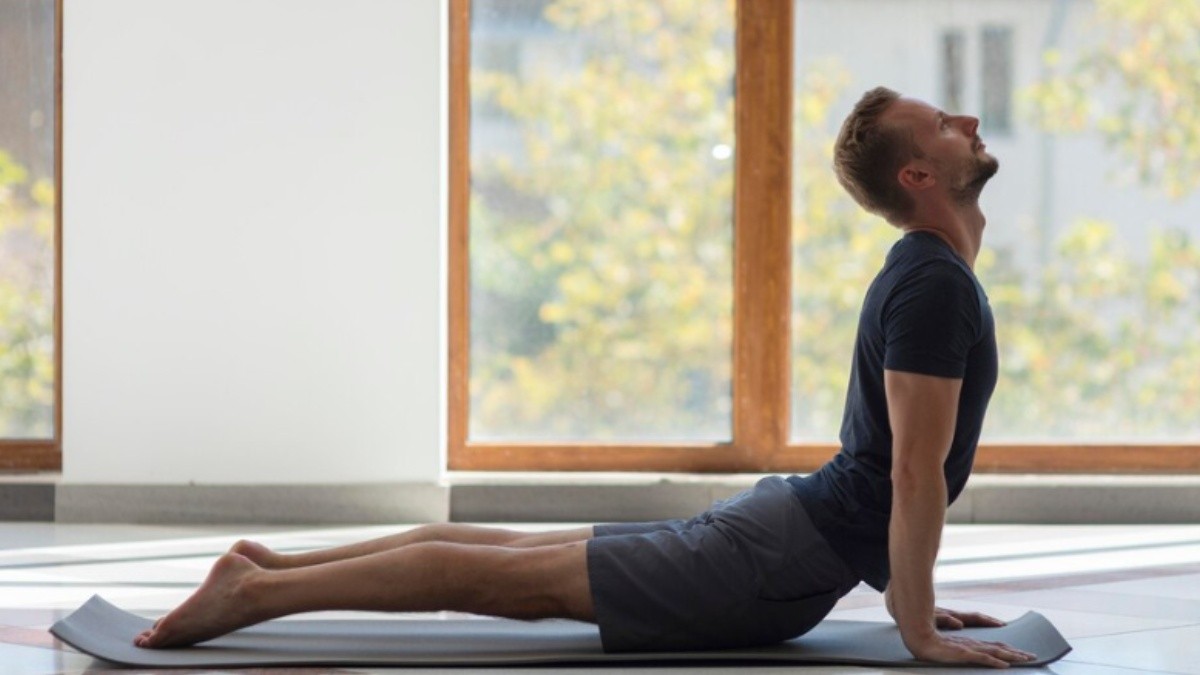
One of the most noticeable effects of yoga is its influence on physical fitness. Yoga postures require the body to move through different ranges of motion, which can gradually improve flexibility and mobility. Regular practice may also strengthen muscles because many poses require the practitioner to support or control their body weight.
Related Articles

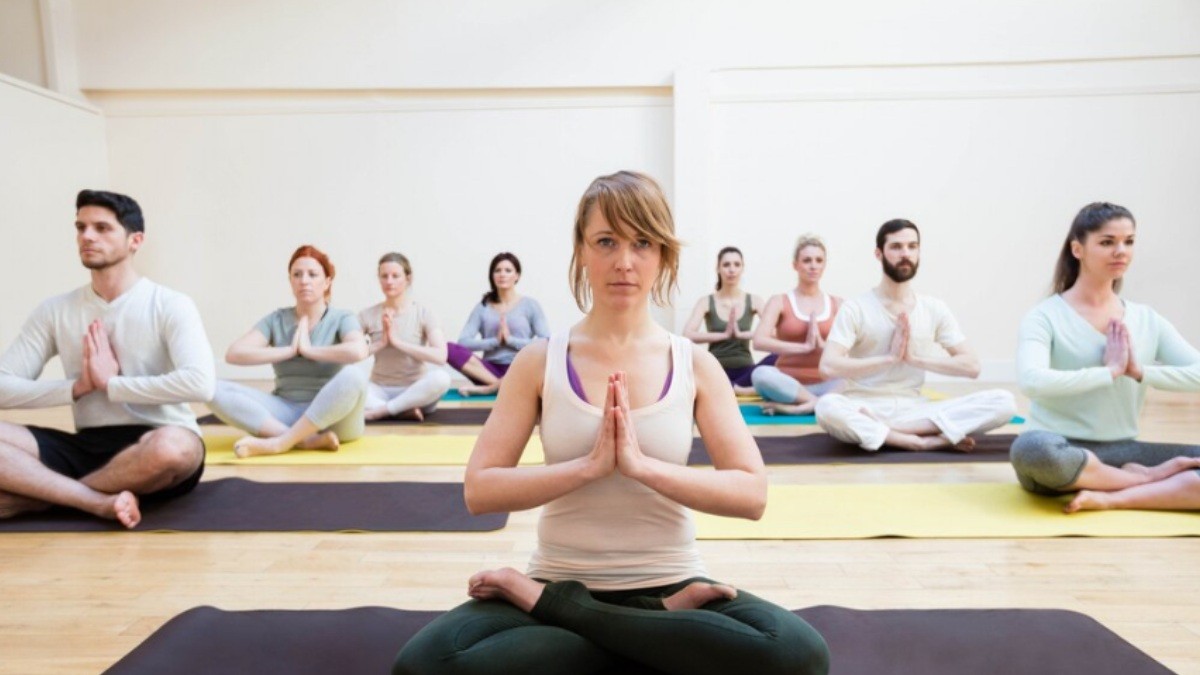
Balance is another important component. Standing poses and controlled transitions require coordination between muscles, joints and the nervous system. Over time, this can improve body awareness and stability. These qualities can be particularly useful for people who spend long periods sitting or have limited movement in their daily routines.
Yoga can also encourage better posture. Many poses require awareness of spinal alignment, shoulder position and core engagement. Developing this awareness may help people recognise and correct habitual postures during everyday activities.
Yoga and the Nervous System
One of the most interesting areas of yoga research involves the nervous system. Stress activates the body's physiological response to perceived challenges, increasing alertness and preparing the body for action. Breathing exercises, meditation and slower yoga practices may encourage a more relaxed state.
Related Articles
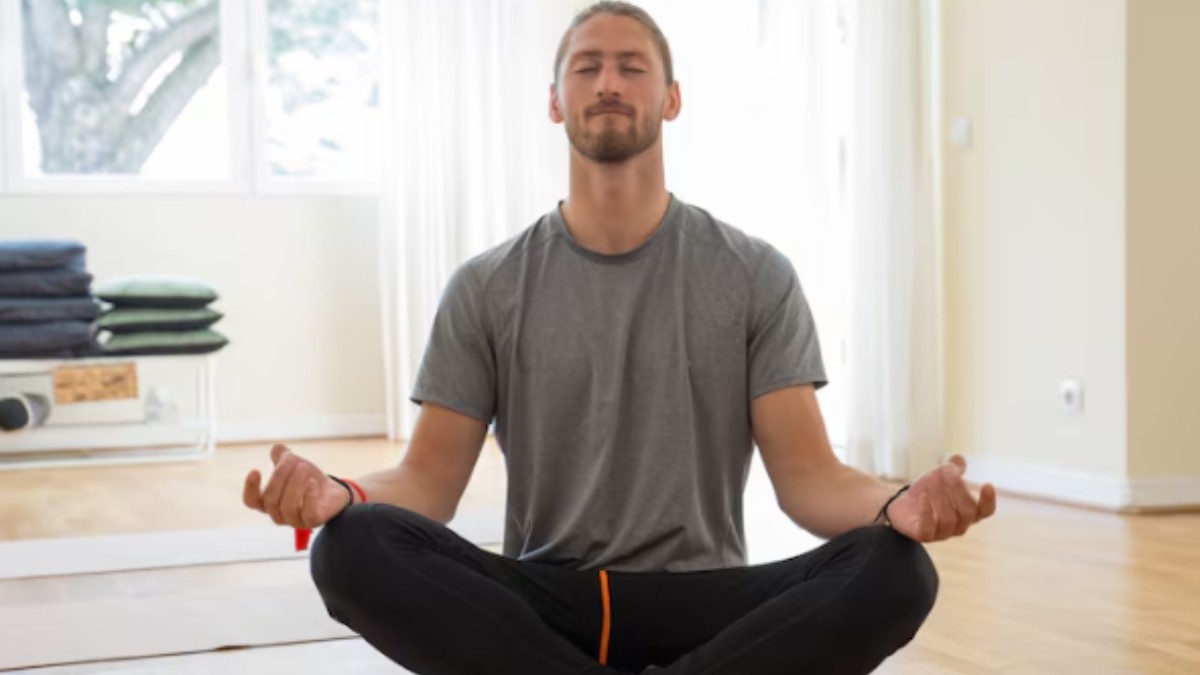
Controlled breathing is particularly important. Deliberately slowing and regulating the breath can influence breathing patterns and may help promote relaxation. This is one reason breathing exercises are frequently incorporated into yoga and meditation practices.
Yoga does not eliminate stress from everyday life, but regular practice may help people respond to stressful situations more calmly. The combination of movement, breathing and focused attention can create a structured period during which the mind is encouraged to step away from constant distractions.
The Connection Between Yoga and Mental Wellbeing
Yoga is also increasingly studied for its potential psychological benefits. Concentrating on body position, breathing or meditation can encourage present-moment awareness. Instead of continuously thinking about past events or future responsibilities, practitioners are encouraged to pay attention to what is happening in the body and mind.
This type of mindfulness may help some people develop greater awareness of their thoughts and emotional reactions. Research has found promising evidence that yoga can support mental wellbeing and may help reduce perceived stress and symptoms associated with anxiety or low mood in some people. However, yoga should not be considered a replacement for professional treatment when someone has a mental health condition requiring clinical care.
Yoga and Sleep
Sleep is another area where yoga may be helpful. Relaxation-focused practices can provide a calming transition between daytime activities and bedtime. Gentle stretching, breathing exercises and meditation may help some individuals establish a consistent nighttime routine.
Better sleep can have benefits throughout the body. Adequate rest supports concentration, mood, physical recovery and general health. While yoga alone cannot solve every sleep problem, incorporating relaxing practices into a healthy sleep routine may be beneficial for some people.
Yoga and Breathing
Breathing is central to many forms of yoga. Unlike ordinary automatic breathing, yoga practitioners may deliberately adjust the pace, depth and rhythm of their breathing.
Practising controlled breathing can increase awareness of respiratory patterns and encourage slower, more deliberate breaths. Some breathing techniques are stimulating, while others are intended to promote relaxation. Beginners should learn unfamiliar techniques gradually and avoid forcing the breath, particularly if they feel dizzy or uncomfortable.
Yoga and the Mind-Body Connection
Perhaps the most important scientific concept associated with yoga is the relationship between physical and psychological wellbeing. Physical tension can accompany emotional stress, while emotional states can influence how the body feels. Yoga brings attention to both dimensions simultaneously.
A person practising a challenging posture must coordinate movement, breathing, concentration and muscular control. This creates an experience in which physical activity and mental attention occur together. Over time, that mind-body awareness may become useful beyond the yoga mat.
How Often Should You Practise Yoga
There is no single ideal schedule for everyone. Beginners may benefit from starting with short, manageable sessions and gradually increasing duration and intensity. Consistency is generally more useful than pushing the body through occasional intense workouts.
Different styles serve different purposes. Gentle yoga may be appropriate for relaxation and mobility, while more physically demanding styles can provide greater strength and cardiovascular challenges. Choosing a practice that matches your fitness level and goals can make it easier to maintain a routine.
Safety Matters
Although yoga is generally considered safe when practised appropriately, injuries can occur, particularly when people force themselves into positions beyond their current ability. Beginners should learn proper alignment and avoid comparing their flexibility with that of experienced practitioners.
People with existing injuries, significant health conditions or specific physical limitations should consider speaking with a qualified healthcare professional before beginning a new exercise programme. Yoga should be adapted to the individual rather than treated as a competition.
Ultimately, the science of yoga reflects its ability to combine movement, breathing and focused attention. Its potential benefits extend beyond flexibility, with research suggesting positive effects on stress management, balance, mobility, sleep and aspects of mental wellbeing. While yoga is not a cure-all, regular and appropriately practised yoga can be a valuable component of a balanced approach to physical and mental health.
The greatest benefit may come from viewing yoga not simply as a workout, but as a practice that encourages people to become more aware of how they move, breathe and respond to everyday challenges. That connection between body and mind is what continues to make yoga relevant in modern health and wellness.




Comments 0