
Yoga has become a popular practice for improving flexibility, balance, strength, relaxation and mindfulness. However, it may not be the right choice for everyone. Some people may find certain yoga poses uncomfortable, while others may prefer a more active workout or a different approach to relaxation.
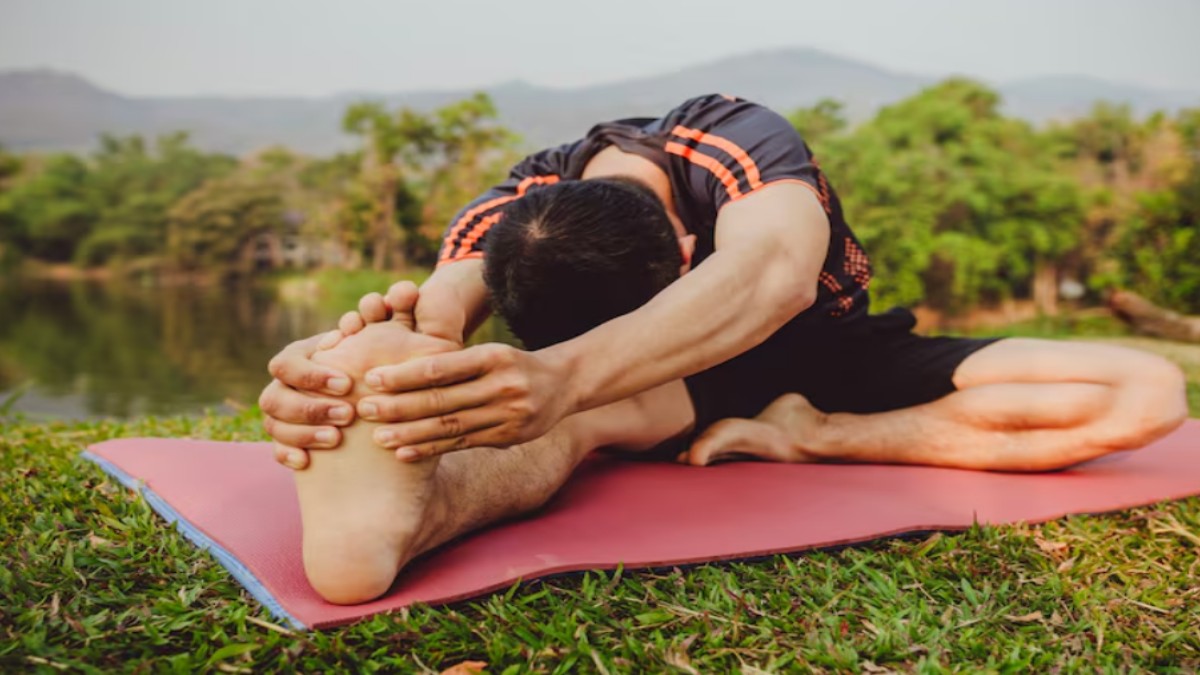
Fortunately, there are several alternatives to yoga that can provide some of the same physical and mental benefits. The best option depends on your personal goals, fitness level, interests and any health limitations.
1. Pilates
Pilates is one of the most popular alternatives to yoga. It focuses on controlled movements, core strength, posture, balance and body awareness.
Related Articles
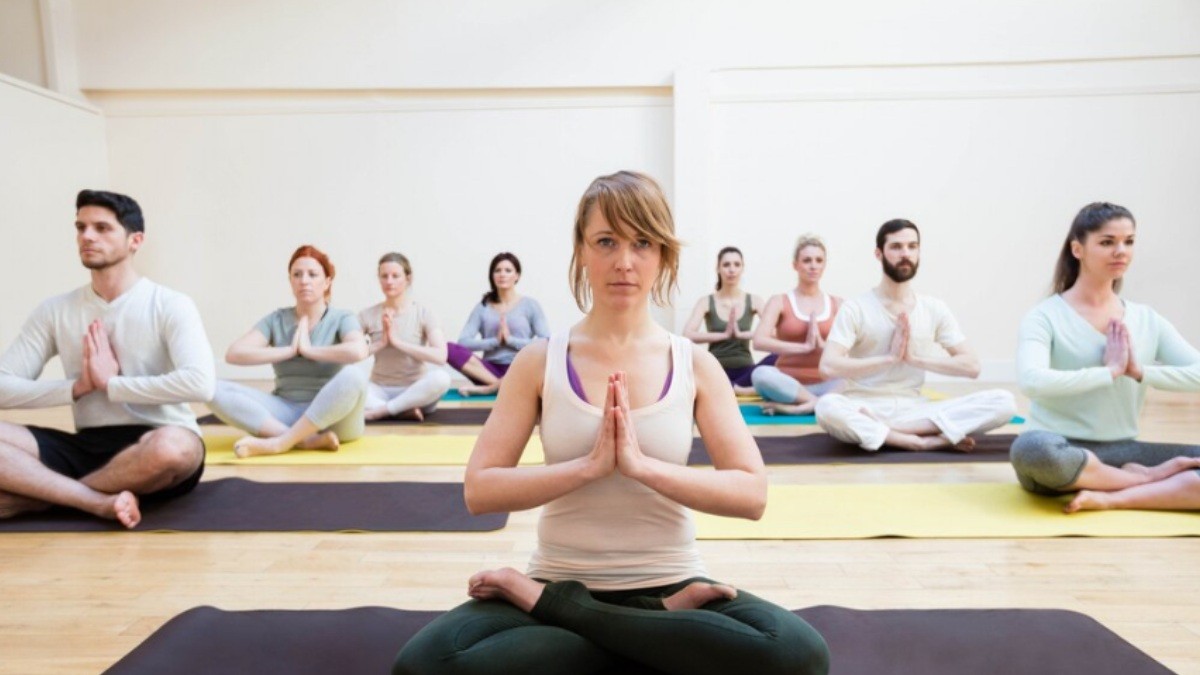
Like yoga, Pilates can improve flexibility and stability, but its exercises often place greater emphasis on core control and precise movement.
Pilates can be performed using a mat or specialized equipment. Beginners can start with basic mat exercises before progressing to more challenging routines.
2. Tai Chi
For people who enjoy the slow, mindful aspect of yoga, Tai Chi can be an excellent alternative.
Related Articles
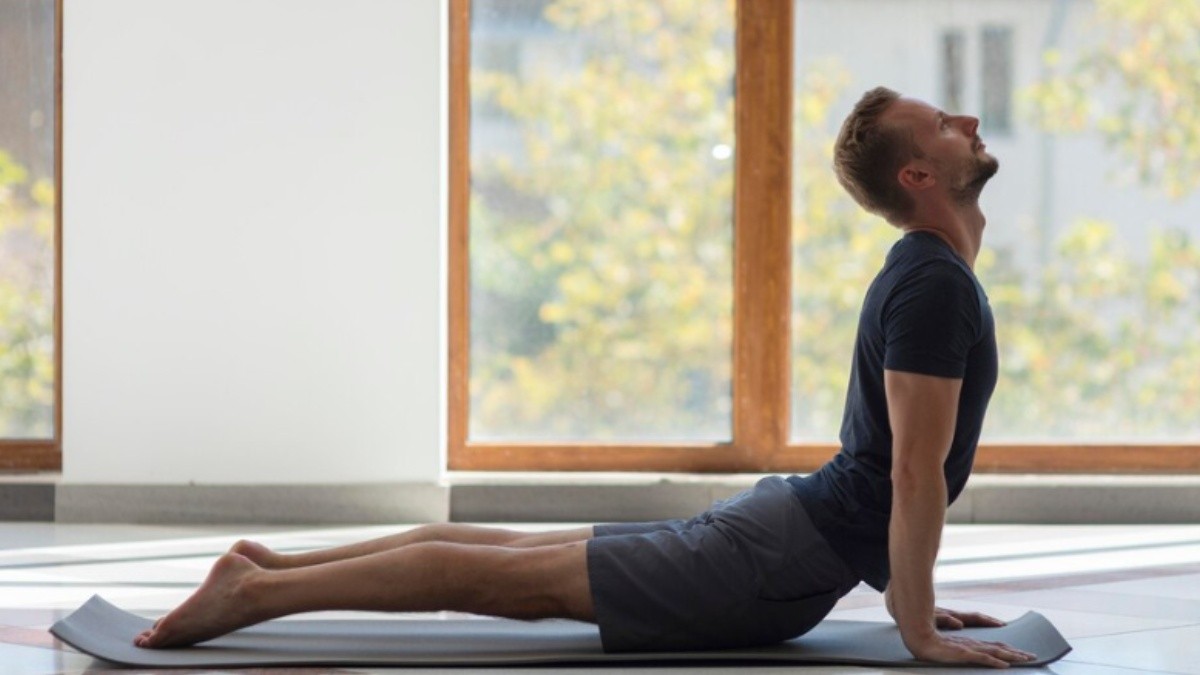
Tai Chi is a traditional Chinese mind-body practice involving slow, flowing movements, controlled breathing and concentration. It is generally low impact and can be adapted for many fitness levels.
It may help improve balance, coordination and body awareness while providing an opportunity to slow down and focus on the present moment.
3. Stretching and Mobility Exercises
If your main reason for practising yoga is flexibility, you do not necessarily need to follow a full yoga routine.
A structured stretching and mobility programme can target major muscle groups and joints. Dynamic stretches can be useful before physical activity, while gentle static stretching may be incorporated into cooldown routines.
Mobility exercises can also help people work on controlled movement through comfortable ranges of motion.
4. Strength Training
Yoga can build strength, but traditional resistance training may be a better choice for people whose primary goal is increasing muscular strength.
Strength training can involve free weights, resistance bands, weight machines or bodyweight exercises.
Squats, lunges, rows, presses and other functional movements can help strengthen different muscle groups.
A balanced strength-training programme can also support bone health and everyday physical function.
5. Walking
Walking is one of the simplest alternatives to yoga and requires little equipment.
A regular brisk walk can provide cardiovascular benefits while also giving you time away from screens and daily distractions.
Walking outdoors can be particularly enjoyable because exposure to nature may make the activity feel more restorative.
For beginners or people returning to exercise after a long break, walking can be a practical starting point.
6. Swimming
Swimming offers a full-body, low-impact workout. Water supports the body, reducing some of the impact placed on joints during exercise.
Swimming can improve cardiovascular fitness, muscular endurance and coordination. Different strokes can be used to vary the workout.
People with joint discomfort may find water-based exercise more comfortable than high-impact activities, although individual conditions should be considered.
7. Dance
Dance combines physical activity with music and creative expression. It can improve cardiovascular fitness, coordination, balance and muscular endurance.
From traditional dance forms to contemporary classes, there are many styles to choose from.
Dance can also be a social activity, which may provide an additional benefit for people who enjoy exercising with others.
8. Meditation and Breathwork
If you primarily practise yoga for relaxation or mindfulness, meditation and breathing exercises can address some of those goals without the physical postures.
Meditation can encourage focused attention and awareness, while controlled breathing exercises may help some people develop relaxation skills.
These practices can be performed almost anywhere and generally require very little equipment.
However, people with certain respiratory or medical conditions should seek professional guidance before attempting intensive breathwork techniques.
9. Barre Workouts
Barre combines elements of ballet-inspired movement, strength training and flexibility exercises. Many classes use a ballet barre for support while incorporating small, controlled movements.
Barre can challenge the legs, core and posture while also encouraging body awareness.
It may appeal to people who want a structured class environment but prefer something different from yoga.
10. Functional Training
Functional training focuses on movements that resemble activities performed in everyday life.
Exercises may include squatting, lifting, pushing, pulling, carrying and stepping. The emphasis is often on coordination, balance, strength and movement quality.
For people who want practical fitness rather than a primarily relaxation-focused routine, functional training can be a useful alternative.
Choosing the Right Yoga Alternative
The best alternative depends on what you want from yoga.
If your priority is flexibility, consider stretching, mobility training or Pilates
If you want strength, resistance training or Pilates may be appropriate
For balance and mindful movement, Tai Chi can be a good option
For cardiovascular fitness, walking, swimming or dancing may be better choices
If your primary goal is stress management, meditation, breathing exercises and gentle movement may help
You can also combine several activities. For example, a weekly routine might include strength training, walking, stretching and meditation.
There is no requirement to practise yoga to maintain a healthy and active lifestyle. While yoga offers a unique combination of movement, flexibility, breathing and mindfulness, many other activities can provide valuable physical or mental benefits.
Pilates, Tai Chi, walking, swimming, strength training, stretching, dance, meditation and functional exercise are all potential alternatives.
Rather than searching for one perfect replacement, consider which aspects of yoga you enjoy most and choose activities that meet those needs. The most effective exercise programme is one that is safe, enjoyable and realistic enough to maintain over time.
If you have an injury, chronic health condition or specific physical limitations, consult an appropriate healthcare or exercise professional before starting a new programme.




Comments 0