
Yoga is often associated with physical postures, flexibility and strength, but traditional yoga encompasses much more than movement. The breath has an important place in many yoga practices, particularly through pranayama, the broad term used for yogic breathing practices. By bringing greater attention to breathing, practitioners can develop awareness of the connection between physical sensations, emotions and mental states.
Breathing happens automatically, yet the way we breathe can change with activity, concentration and emotional experiences. When someone is stressed, for example, breathing may become faster or shallower. Gentle, controlled breathing can provide an opportunity to slow down and focus attention on the present moment. This is one reason breathing exercises are frequently included in yoga and meditation routines.
What Is Pranayama
Pranayama is traditionally described as the regulation or cultivation of breath. Classical yoga texts contain various approaches to working with breathing, and different yoga traditions teach different techniques.
Related Articles
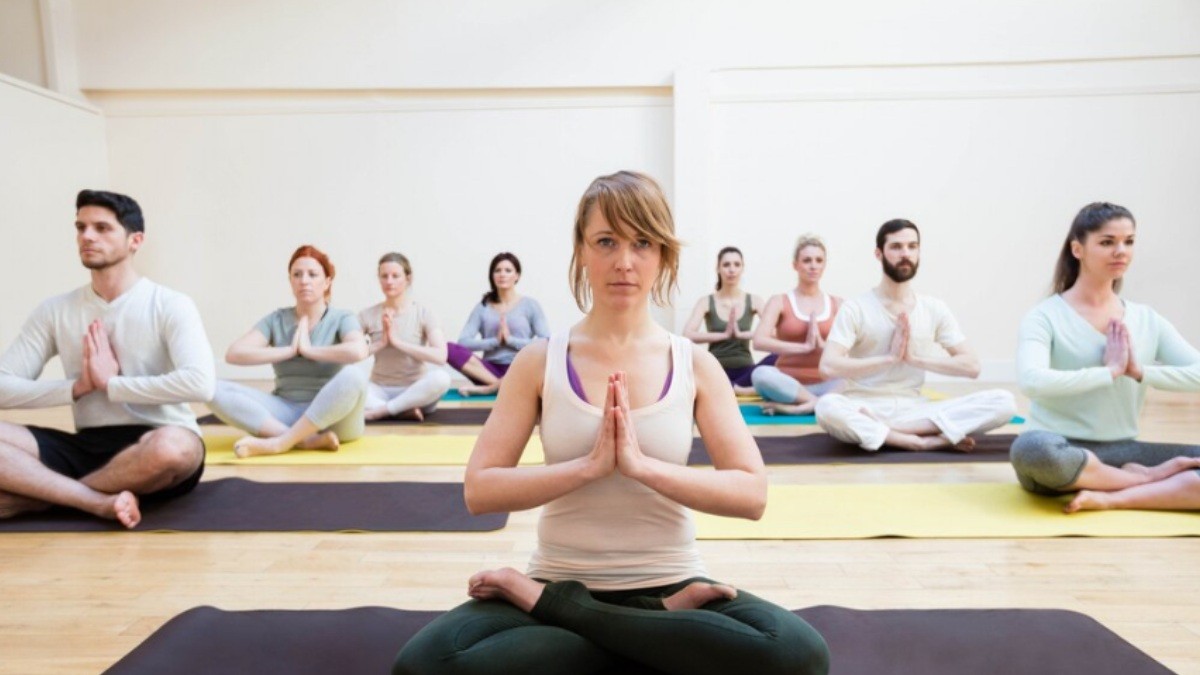
Some practices involve observing the natural breath, while others involve deliberately changing the pace or pattern of inhalation and exhalation. Techniques may also include alternate-nostril breathing or brief breath pauses. Because more advanced practices can be demanding, beginners are generally better served by starting with simple, comfortable techniques.
The purpose of pranayama is not simply to take deeper breaths. Good practice involves awareness, control and relaxation rather than forcing the respiratory system.
Breath Awareness in Yoga
One of the simplest ways to combine yoga and breathing is to pay attention to the natural breath while performing gentle movements. Instead of rushing from one posture to another, practitioners can coordinate movement with inhalation and exhalation.
Related Articles
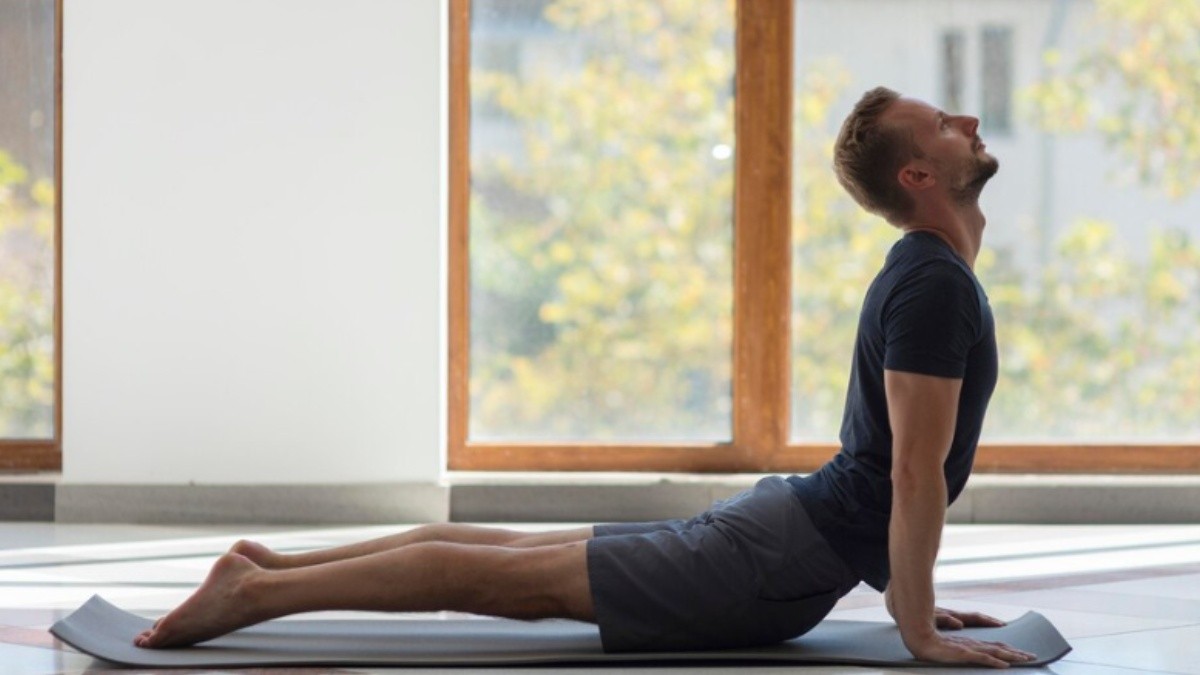
For example, a person may inhale while extending or opening the body and exhale while moving into a more relaxed position. The exact breathing pattern varies according to the yoga style and movement.
This coordination can make a practice feel more deliberate and encourage practitioners to remain focused on what their bodies are experiencing.
Diaphragmatic Breathing
Diaphragmatic breathing, sometimes called abdominal breathing, focuses on allowing the diaphragm to contribute effectively to the breathing process. When relaxed, the abdomen may gently expand during inhalation and move inward during exhalation.
A simple practice is to sit or lie comfortably and observe the movement of the abdomen while breathing naturally. There is no need to force large breaths. The objective is to develop awareness and allow breathing to remain smooth and comfortable.
Alternate-Nostril Breathing
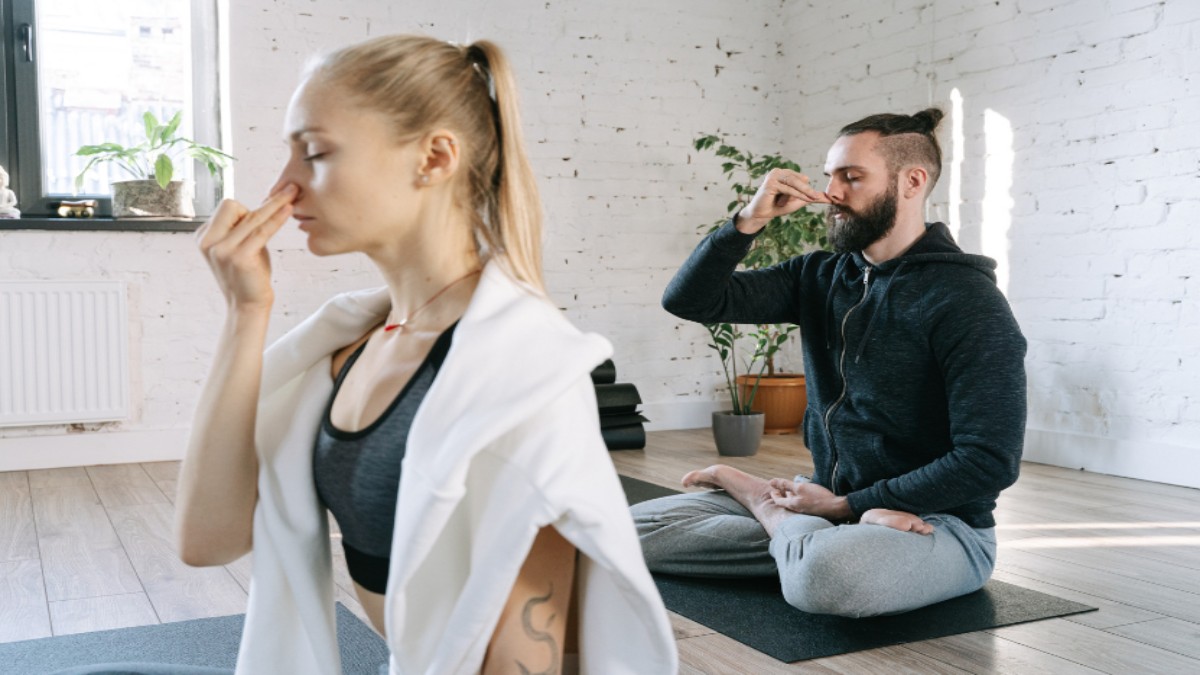
Alternate-nostril breathing is a traditional yogic technique commonly known as Nadi Shodhana in some yoga traditions. It involves breathing through one nostril at a time in an alternating pattern.
Practitioners often use it as a concentration and relaxation exercise. Beginners should learn the technique from a qualified instructor if they are unsure about the sequence. Breathing should remain comfortable, and forceful inhalations or prolonged breath retention should be avoided.
Breathing and Meditation
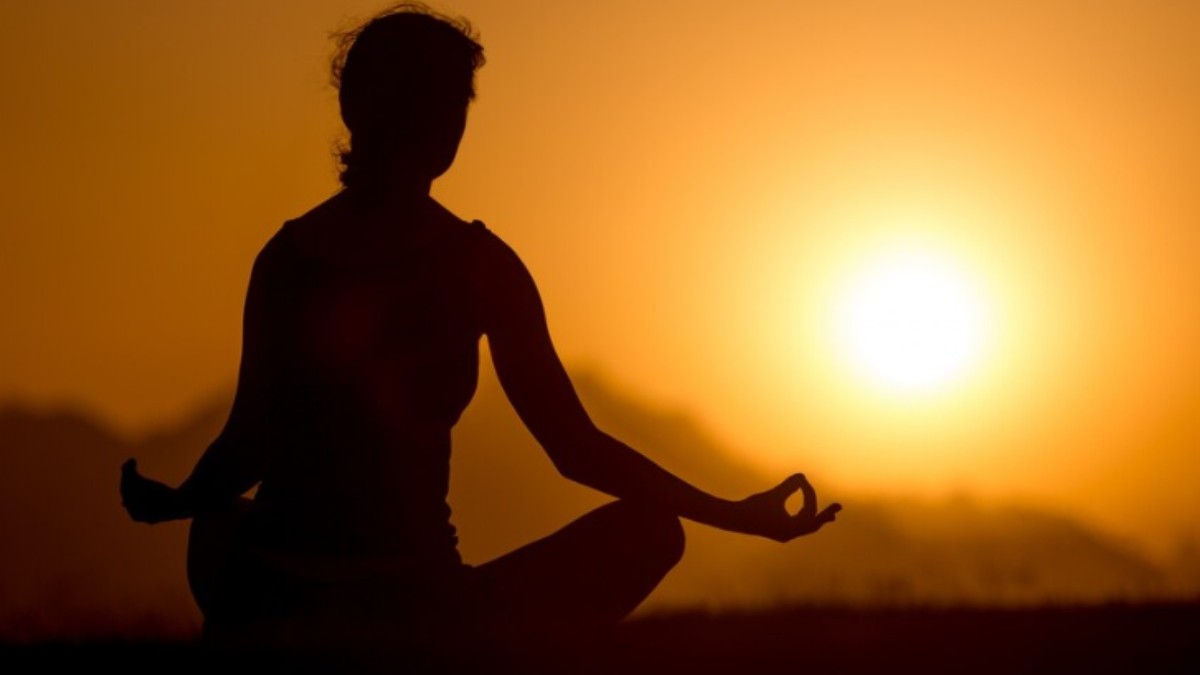
Breathing techniques can also serve as a bridge between physical yoga and meditation. Focusing on the breath gives the mind a simple point of attention.
When thoughts arise, practitioners can gently return their attention to the sensation of inhaling and exhaling. This does not require eliminating thoughts. Instead, the practice encourages awareness of mental activity without immediately following every thought.
Even a few minutes of quiet breathing can become a useful transition from a busy day into a more reflective state.
Potential Benefits of Mindful Breathing
Regular yoga and breathing practices may support relaxation, body awareness and concentration. Slow, comfortable breathing can also be a useful component of stress-management routines.
Some people find breathing exercises helpful before sleep, during periods of everyday stress or before meditation. However, breathing practices should not be presented as a cure for medical or psychological conditions. They work best as one part of a broader approach to wellbeing.
How to Start Safely
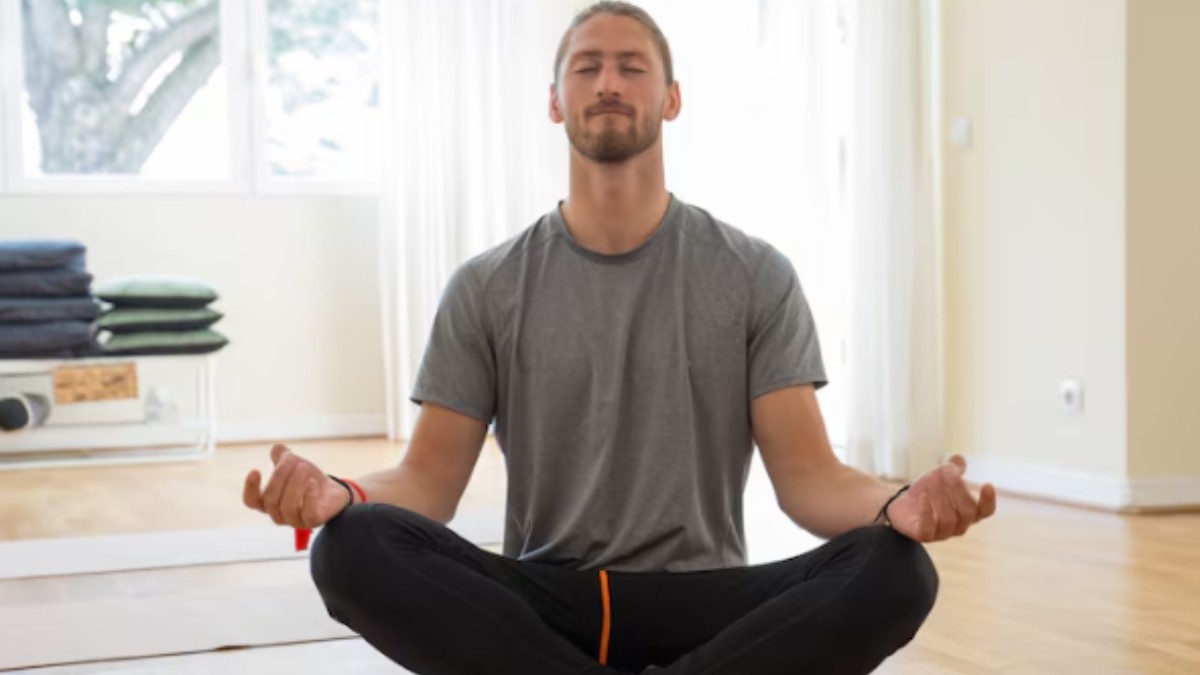
Beginners can start with five minutes of comfortable breath awareness in a quiet environment. Sit in a position that allows the spine to remain comfortably upright, relax the shoulders and observe the natural rhythm of breathing.
Once comfortable, practitioners can explore gentle breathing exercises under appropriate guidance. Avoid forcing the breath, competing for deeper inhalations or holding the breath for extended periods without instruction.
People with respiratory, cardiovascular or other health conditions should consult a qualified healthcare professional before beginning intensive breathing exercises. Anyone who becomes dizzy, uncomfortable or short of breath should stop the exercise and return to normal breathing.
Making Breathing Part of Your Yoga Routine
The most effective practice is one that can be maintained consistently. Breathing exercises can be incorporated before a yoga session, between postures, during meditation or as a short standalone practice.
A simple routine might begin with two or three minutes of natural breath awareness, followed by gentle yoga movements and another few minutes of relaxed breathing at the end. Over time, practitioners can explore additional techniques with guidance from an experienced yoga teacher.
Ultimately, yoga and breathing techniques offer a practical way to cultivate greater awareness of the body and mind. Pranayama is not about forcing the breath or achieving an impressive technique. Its value lies in learning to pay attention, breathe comfortably and create moments of calm within everyday life. When practiced thoughtfully and safely, breath-focused yoga can become a meaningful addition to a balanced wellness routine.




Comments 0