
Depression and anxiety can affect almost every part of daily life, from sleep and concentration to energy levels, relationships and motivation. While professional treatment remains important, many people also look for complementary approaches that can support their mental wellbeing. Yoga is one such practice that has received increasing attention from researchers.
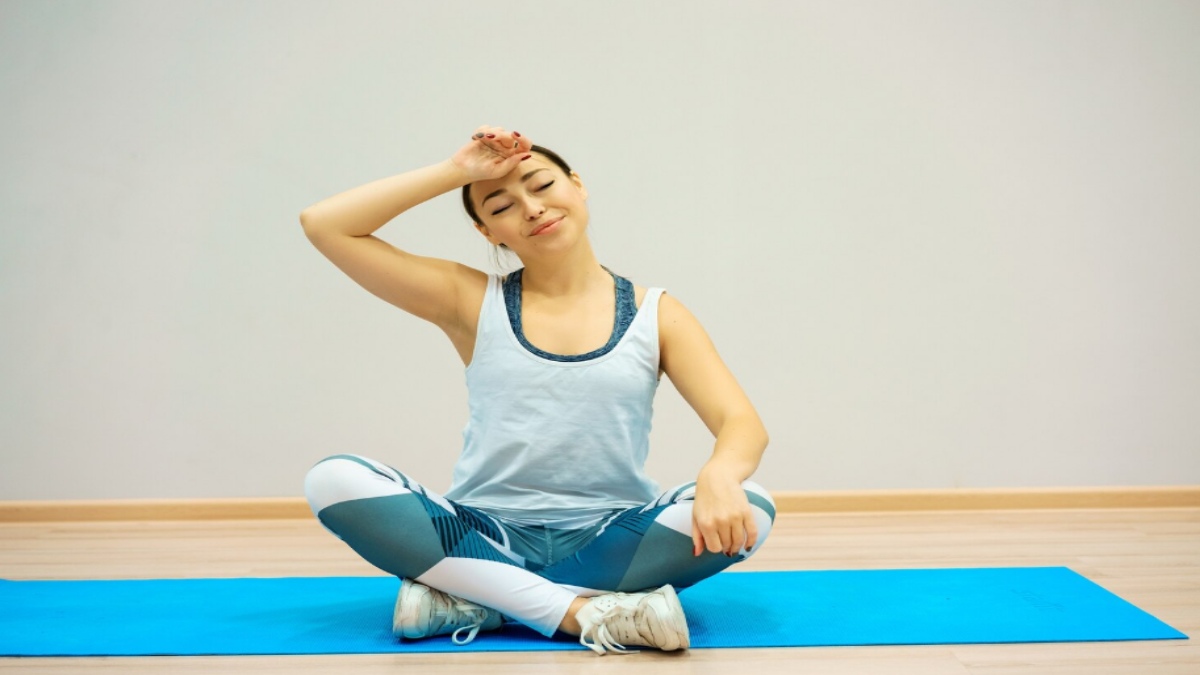
Yoga combines physical postures, breathing exercises, relaxation and mindfulness. This combination makes it different from exercise that focuses only on physical fitness. Current research suggests that yoga may help reduce symptoms of anxiety and depression for some people, although it should be viewed as a complementary practice rather than a replacement for professional mental-health care.
How Yoga May Help With Anxiety
Anxiety can involve persistent worry, physical tension, restlessness and difficulty relaxing. Yoga encourages people to slow down, focus on breathing and pay attention to bodily sensations.
Related Articles
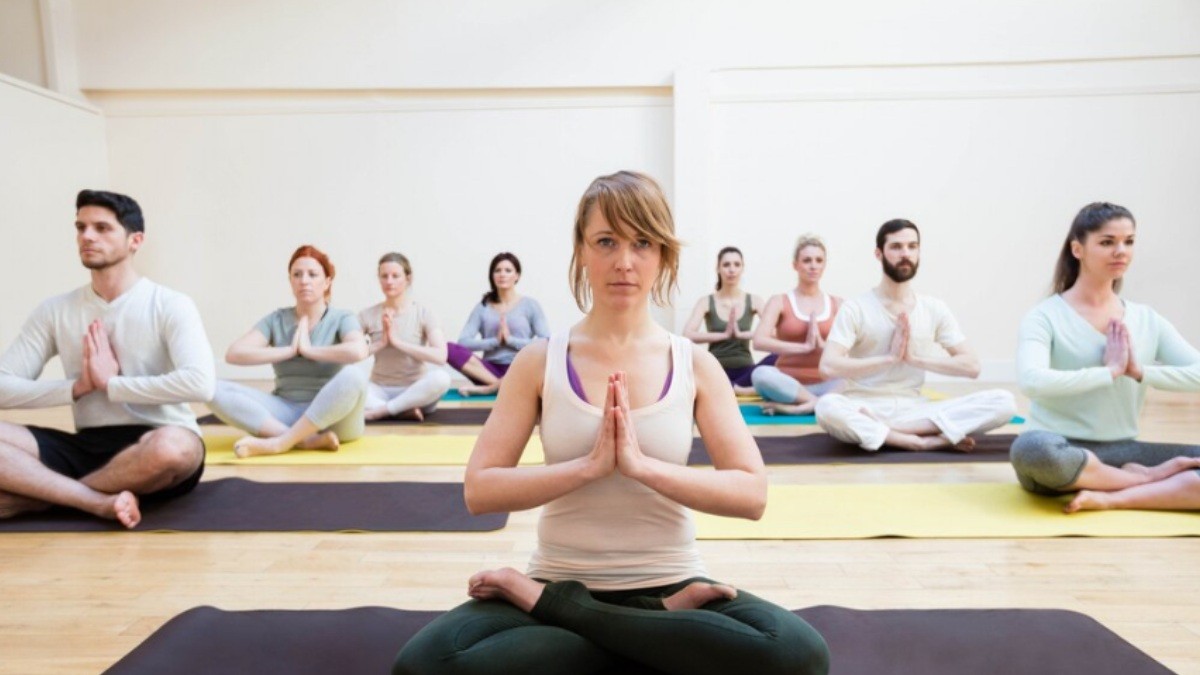
Slow, controlled breathing may help promote a relaxation response. During a yoga session, concentrating on the movement and breath can also provide a temporary break from repetitive or anxious thoughts.
Some research has found that regular yoga practice is associated with reductions in anxiety symptoms. However, results vary, and yoga is not equally effective for everyone.
Yoga and Depression
Depression can involve low mood, reduced motivation, fatigue and loss of interest in activities that were previously enjoyable. Even beginning a gentle physical activity can sometimes feel difficult when someone is depressed.
Related Articles
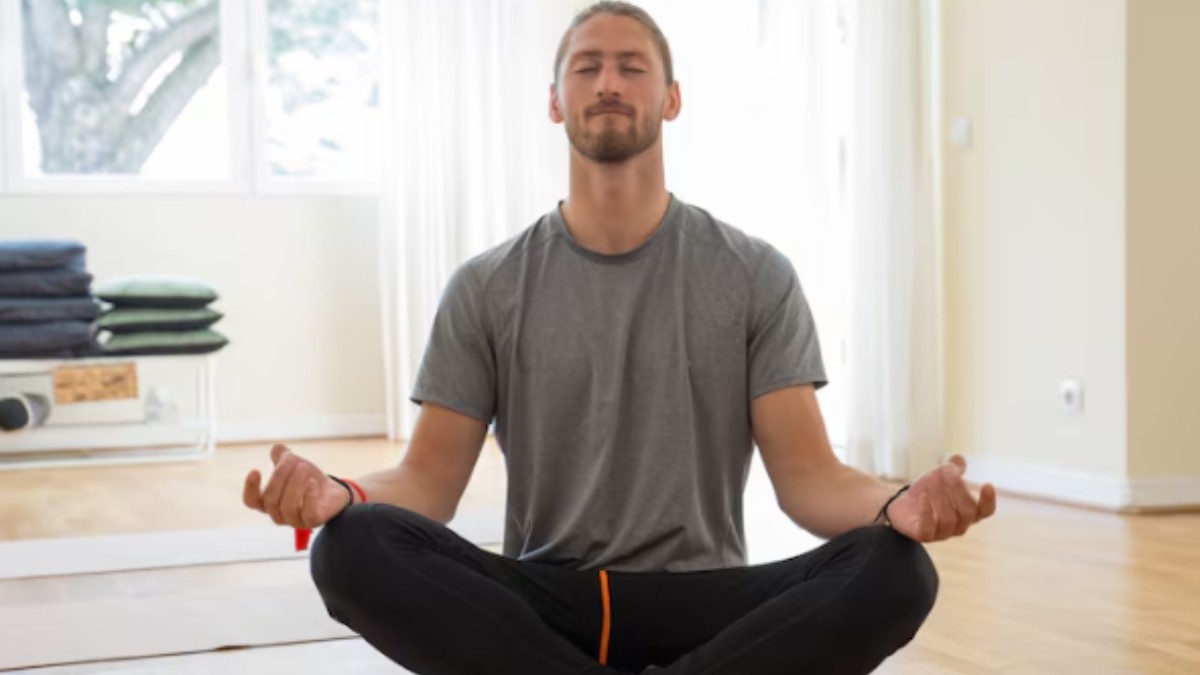
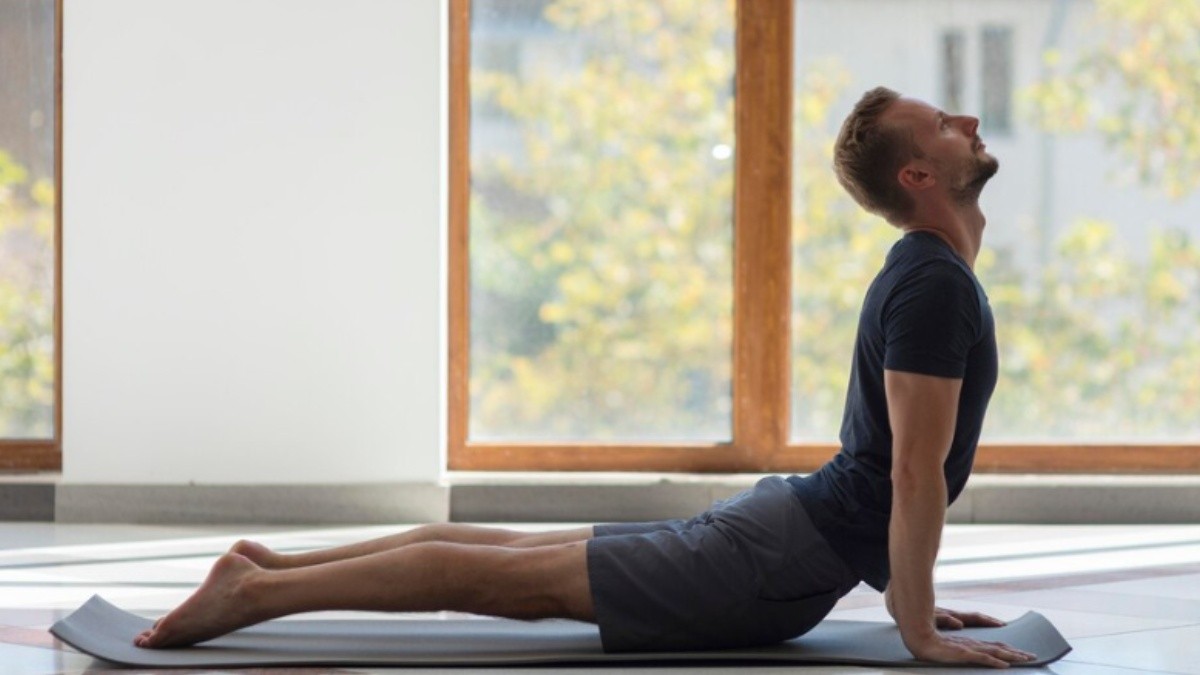
Yoga may provide a relatively adaptable form of movement. Gentle postures can be modified according to energy levels and physical ability, while breathing and relaxation exercises can create a sense of calm.
Studies have reported improvements in depressive symptoms among some groups participating in yoga programmes. Nevertheless, depression is a complex medical condition, and yoga should not be considered a standalone cure.
The Role of Mindful Movement
One important feature of yoga is its emphasis on being present. Rather than rushing through movements, practitioners are encouraged to notice breathing, posture and physical sensations.
This type of mindful movement may help people become more aware of how stress appears in the body. Over time, developing greater awareness may help individuals recognise tension and emotional distress earlier.
Mindfulness can also encourage a less judgmental attitude toward difficult thoughts and feelings.
Yoga May Support Better Sleep
Poor sleep and mental-health problems often influence each other. Anxiety can make it difficult to fall asleep, while inadequate sleep can make emotional regulation more challenging.
Relaxing yoga practices, particularly those involving gentle stretching, breathing and meditation, may help some people prepare for sleep. A calming evening routine can be particularly useful for people whose minds remain active at bedtime.
However, persistent insomnia should be evaluated by a healthcare professional rather than managed solely through yoga.
Which Types of Yoga May Be Helpful
There is no single yoga style that works for everyone.
Gentle practices such as restorative yoga, slow Hatha yoga, yoga nidra and breathing-focused sessions may appeal to people who are looking for relaxation.
More physically active forms may benefit people who enjoy movement and have the physical capacity for it. However, intense exercise is not necessary to obtain the potential mental-health benefits of yoga.
Beginners can start with short sessions and gradually increase duration as they become more comfortable.
A Simple Beginner Routine
A basic routine might begin with a few minutes of comfortable breathing, followed by gentle movements such as cat-cow stretches, child's pose, seated stretches and a relaxed standing posture.
The session can end with several minutes of quiet relaxation.
The goal is not to perform advanced poses or achieve perfect flexibility. Consistency and comfort are more important than complicated postures.
Yoga Is Not a Replacement for Mental-Health Treatment
Although yoga may be helpful, depression and anxiety can require professional care. Depending on the individual's situation, treatment may include psychotherapy, medication or other evidence-based approaches.
People experiencing severe symptoms should not delay professional treatment in favour of yoga.
Anyone experiencing thoughts of self-harm or suicide should seek urgent help from local emergency or mental-health services rather than attempting to manage the situation through exercise or yoga alone.
How to Make Yoga Part of Your Routine
Start realistically. Even 10 to 15 minutes of gentle yoga may be easier to maintain than committing to a long daily session.
Choose a quiet environment and a time when interruptions are unlikely. Online classes can be convenient, but beginners may benefit from learning from a qualified instructor who can provide appropriate modifications.
Most importantly, treat yoga as an opportunity for self-care rather than another task that must be performed perfectly.
Yoga may offer useful complementary support for people dealing with anxiety, depression and everyday stress. Its combination of physical movement, controlled breathing, mindfulness and relaxation may help improve mood, reduce perceived stress and support better sleep for some individuals.
However, the evidence is still developing, and yoga should not replace professional treatment for depression or anxiety disorders.
When practised safely and consistently, yoga can become one part of a broader mental-wellness routine alongside appropriate medical care, healthy sleep, social connection, physical activity and other strategies that support emotional health.




Comments 0