
Buddhism also developed extensive traditions of meditation and mental cultivation. Although Buddhist teachings do not necessarily use “yoga” in exactly the same way as later Hindu traditions, many Buddhist practices can be understood as forms of disciplined mental and contemplative training.
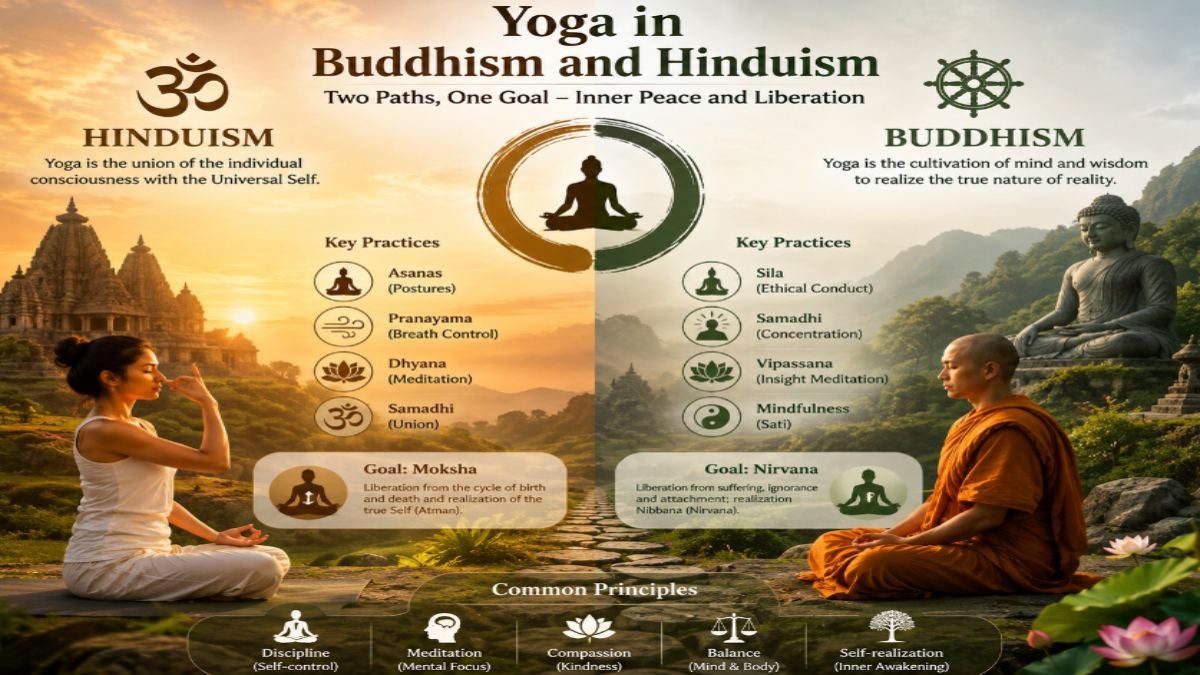
Dhyana, commonly translated as meditation or meditative absorption, has an important place in Buddhist traditions. Practitioners may develop concentration, mindfulness and insight through systematic meditation.
Buddhist traditions also include practices involving breath awareness, contemplation, visualization, ethical conduct and disciplined attention.
Related Articles

The goal is not generally described as union with an eternal self. Instead, Buddhist teachings focus on overcoming ignorance, craving and attachment and developing insight into the nature of reality. The ultimate goal is nirvana, understood as liberation from suffering and the cycle of rebirth.
Similarities Between the Two Traditions
There are several similarities between yogic and Buddhist practices. Both traditions place considerable importance on disciplined practice and transformation of the mind.
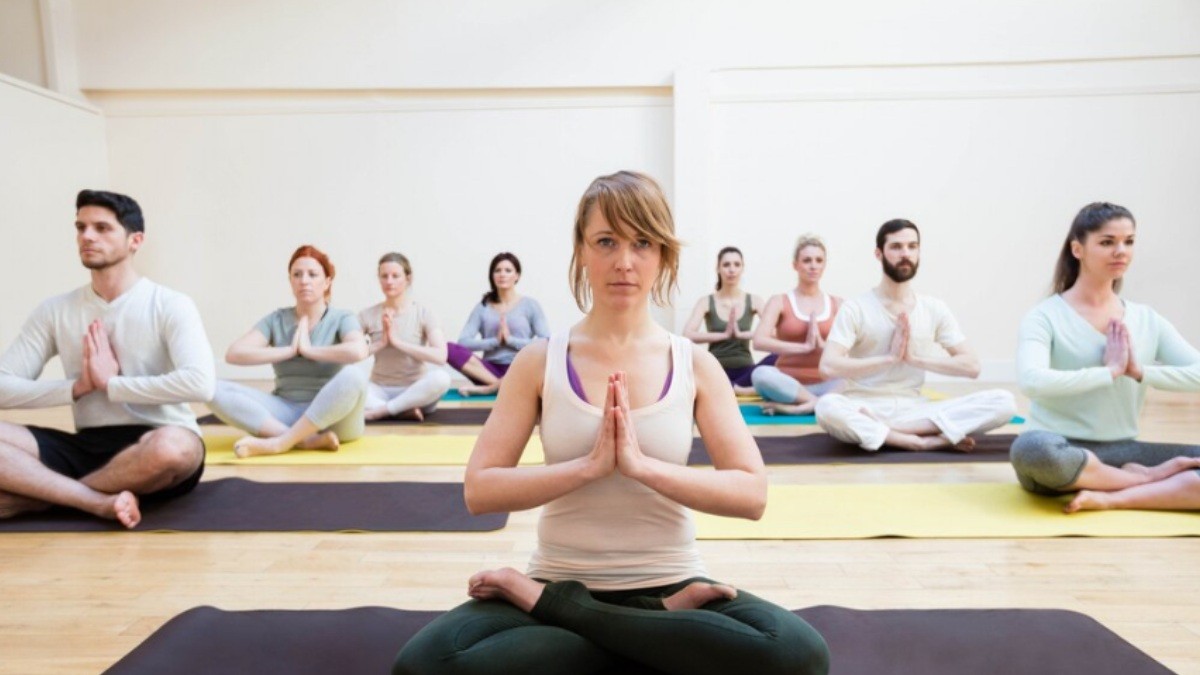
Meditation is central to many schools of both traditions. Practitioners may work on developing concentration, awareness and emotional balance. Ethical behaviour is also important, with both traditions recognising that how a person lives influences spiritual development.
Related Articles
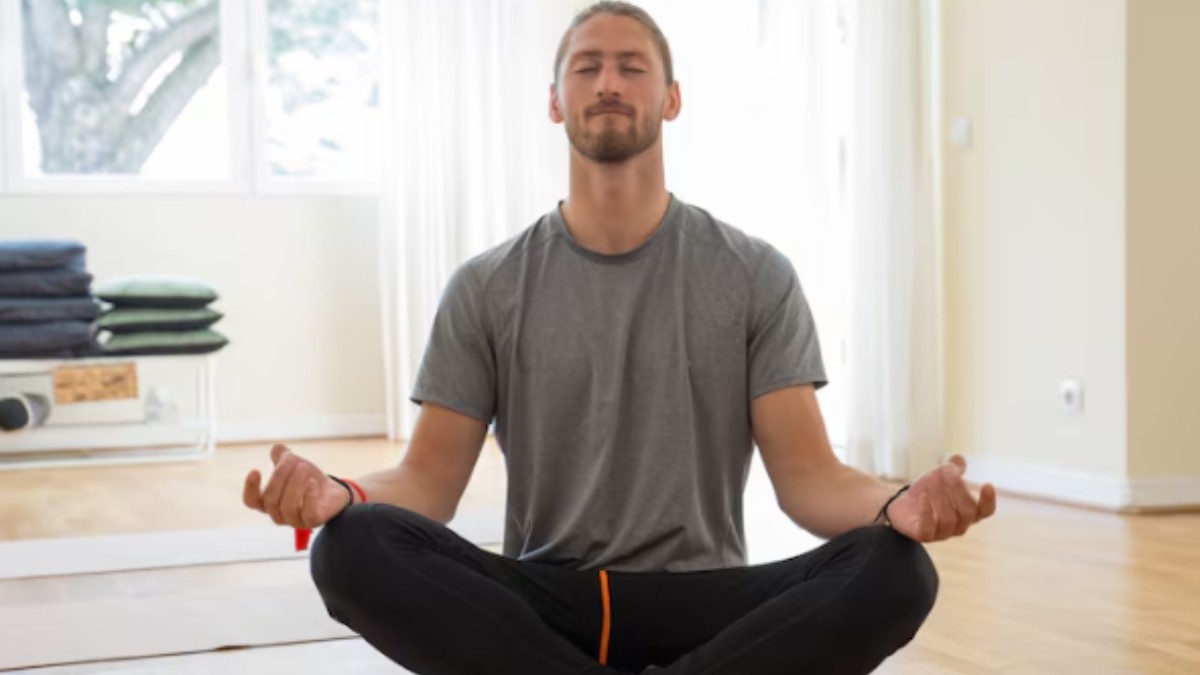

Breathing practices and techniques for calming or focusing the mind can also appear in both Hindu and Buddhist traditions, although their theoretical explanations and methods can differ.
Both traditions also recognise that simply acquiring intellectual knowledge may not be enough. Personal practice and direct experience are considered important parts of spiritual development.
Important Philosophical Differences
Despite these similarities, Hindu and Buddhist approaches should not be treated as interchangeable.
Many Hindu philosophical traditions recognise some form of atman, or self, although different schools understand this concept in different ways. Some Hindu philosophies connect the individual self with Brahman, the ultimate reality.
Buddhist teachings, by contrast, are strongly associated with the doctrine of anatta, or non-self. Buddhism challenges the idea of a permanent, unchanging personal essence.
This difference influences how liberation is understood. Hindu paths may describe liberation as moksha and connect it with knowledge of ultimate reality, freedom from rebirth or realisation of one's true nature. Buddhist traditions describe liberation as nirvana and emphasise the ending of ignorance, craving and suffering.
The Role of the Body
Modern yoga often places significant emphasis on physical postures, flexibility and fitness. Historically, however, physical yoga was part of a much larger spiritual landscape.
In Hindu traditions, physical practices developed in several forms, particularly within later Hatha Yoga traditions. These practices could involve postures, breath regulation, seals, concentration and other techniques intended to support spiritual transformation.
Buddhist traditions have also developed physical and energetic practices, particularly within Tantric and Vajrayana Buddhism. These may include visualization, breath practices, subtle-body techniques and physical exercises depending on the particular lineage.
Therefore, neither Hindu yoga nor Buddhist practice can be reduced simply to stretching or exercise.
Yoga as a Path of Inner Transformation
At their deepest levels, yogic and Buddhist traditions share an interest in understanding the mind and reducing patterns that contribute to suffering. Both encourage practitioners to cultivate discipline, awareness and greater control over habitual reactions.
For contemporary practitioners, studying these traditions can provide a broader understanding of where meditation, mindfulness and yoga practices originated. It can also encourage respectful engagement with the philosophical and cultural traditions behind techniques that are now popular around the world.
Understanding the Traditions With Respect
Yoga in Hinduism and contemplative practices in Buddhism have long and complex histories. Neither tradition is completely uniform, and beliefs and practices can differ significantly among schools, teachers and regions.
Understanding these differences is important, particularly when adapting ancient spiritual practices for modern wellness settings. Yoga and meditation can certainly be used today for physical and mental wellbeing, but their historical meanings extend far beyond relaxation.
Ultimately, exploring yoga in Buddhism and Hinduism reveals two rich spiritual traditions that have developed sophisticated approaches to ethics, meditation, concentration and liberation. Their shared emphasis on disciplined practice provides fascinating points of connection, while their different understandings of self, reality and liberation demonstrate why each tradition deserves to be studied on its own terms.




Comments 0