
Yoga is widely known for its physical benefits, but its influence extends beyond flexibility, strength and balance. For many adults, yoga can also become a useful part of a broader approach to mental wellbeing. By combining physical movement, controlled breathing and mindfulness, yoga encourages people to slow down, pay attention to their bodies and create moments of calm during busy days.
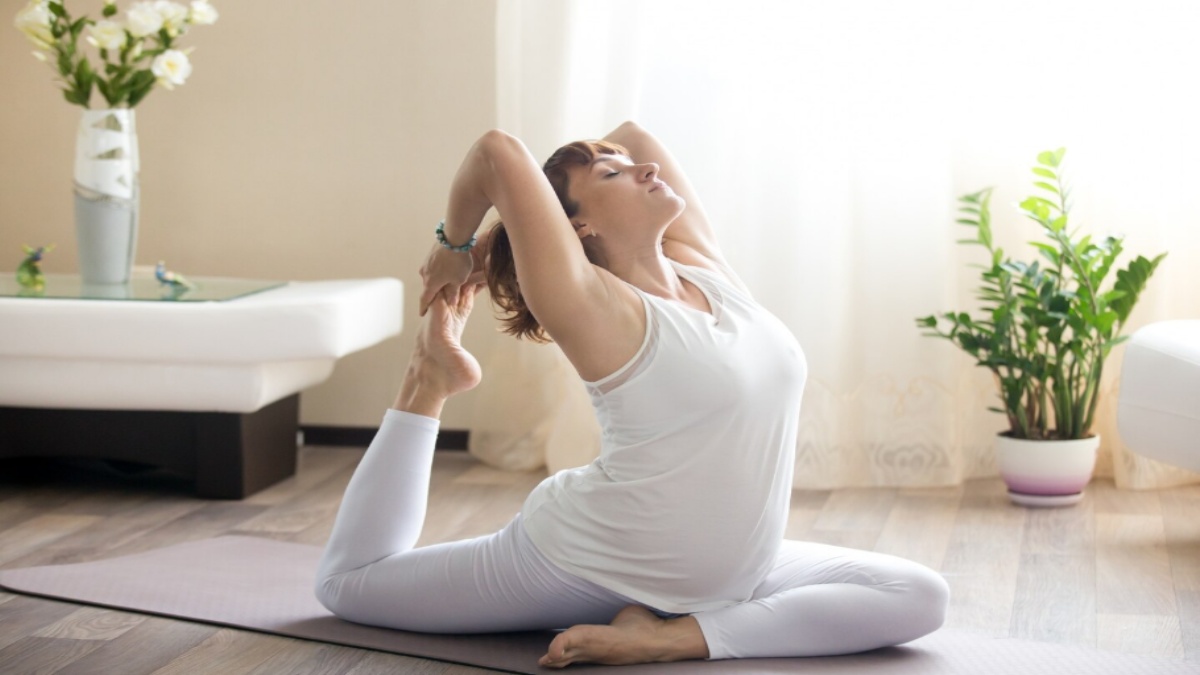
Stress and anxiety are common experiences in modern life. Work responsibilities, financial concerns, relationship challenges, health worries and constant digital stimulation can leave people feeling mentally and physically overwhelmed. While yoga is not a replacement for professional mental health care, regular practice may provide supportive tools for managing everyday stress and promoting emotional wellbeing.
How Yoga Can Help With Stress
Stress activates the body's natural response to perceived challenges. When stress becomes persistent, people may experience muscle tension, difficulty concentrating, irritability, fatigue or disrupted sleep.
Related Articles

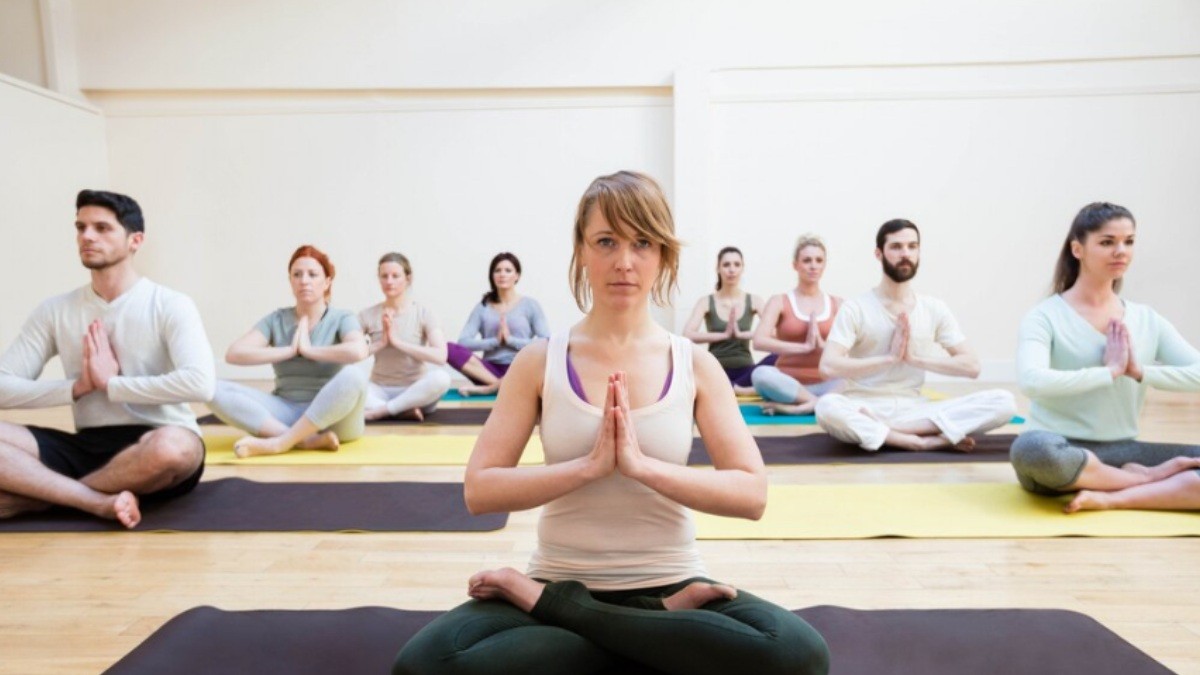
Yoga encourages a shift toward slower, more deliberate movement. Many practices combine physical postures with steady breathing, helping participants become more aware of physical sensations and mental activity.
Gentle yoga sessions may be particularly useful after a demanding day. Stretching tense muscles and spending several minutes focusing on breathing can provide a calming transition between work and rest.
The Role of Breathing
Breathing is one of the central components of many yoga practices. Rather than moving automatically through each exercise, practitioners are encouraged to notice their breathing and coordinate it with movement.
Related Articles
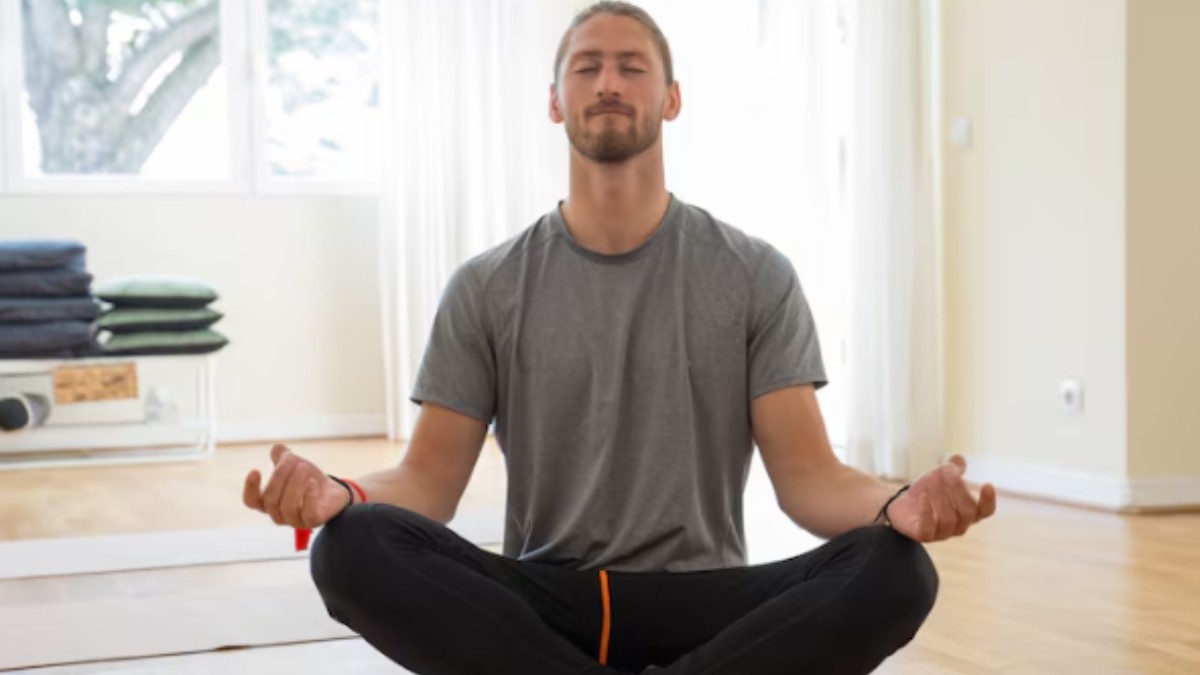
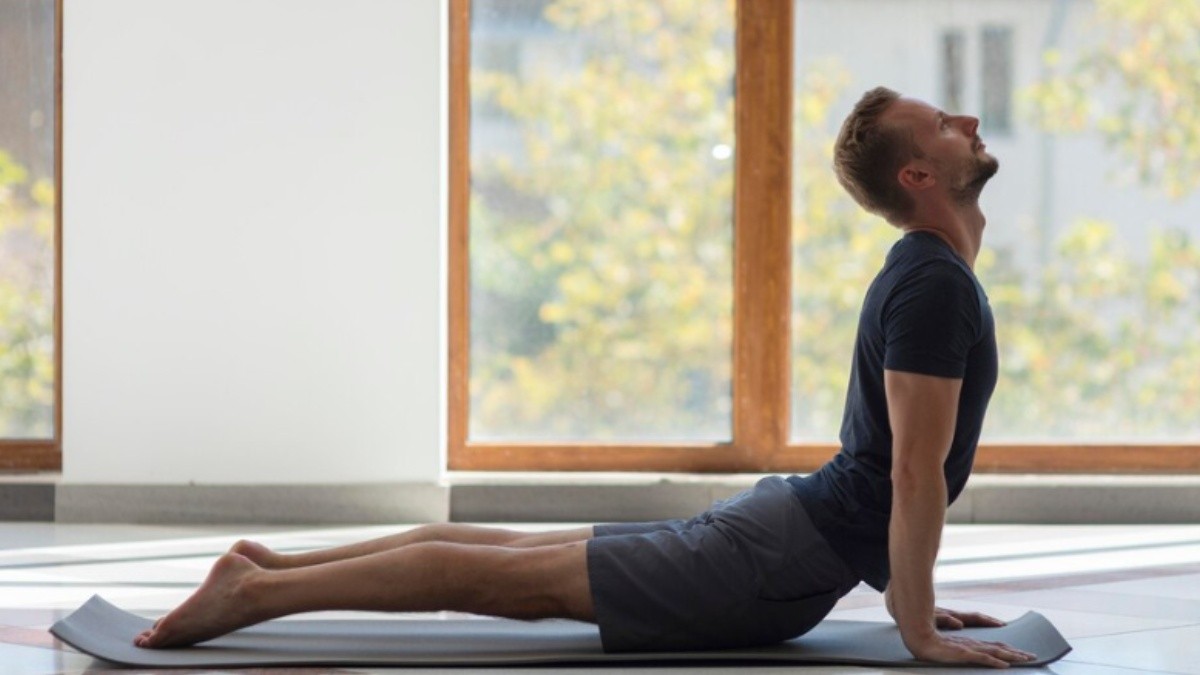
Slow, controlled breathing can serve as an immediate grounding technique. When a person deliberately focuses attention on the breath, it can provide a break from repetitive thoughts and worries.
Breathing exercises should be comfortable rather than forced. People with respiratory or other medical conditions should discuss appropriate breathing practices with a healthcare professional when necessary.
Yoga and Anxiety Management
Anxiety often involves excessive worry about future events or situations. The mind may repeatedly anticipate negative outcomes, making it difficult to remain focused on the present moment.
Yoga incorporates elements of mindfulness, encouraging practitioners to pay attention to what is happening in the current moment. During a yoga session, attention may shift toward posture, breathing, balance and physical sensations instead of continuously following anxious thoughts.
This does not mean yoga eliminates anxiety. However, developing greater awareness and learning relaxation techniques may help some people respond to stressful situations more calmly.
Better Sleep and Mental Wellbeing
Poor sleep and stress can influence each other. Persistent worry may make it difficult to fall asleep, while inadequate sleep can make everyday stress feel more difficult to manage.
A gentle evening yoga routine may help create a relaxing bedtime ritual. Practices involving slow stretches, breathing and relaxation can encourage the body and mind to transition away from the stimulation of the day.
Yoga should not be viewed as a guaranteed treatment for insomnia, but incorporating calming activities into a consistent nighttime routine may support healthier sleep habits.
Physical Activity and Mood
Yoga is also a form of physical activity. Depending on the style and intensity, it can improve mobility, balance, strength and body awareness.
Moving the body regularly can contribute to overall wellbeing, and yoga offers an accessible option for people who may not enjoy traditional gym-based workouts. Even a short session can provide an opportunity to step away from screens and daily responsibilities.
The social aspect of attending a yoga class can also benefit some people. Practising in a supportive environment may reduce feelings of isolation and create a sense of community.
Choosing the Right Yoga Practice
There is no single yoga routine that works for everyone. Beginners may prefer gentle styles that emphasise breathing, basic postures and relaxation. More physically demanding styles may be appropriate for people who enjoy vigorous exercise and have the necessary fitness level.
Consistency is often more useful than intensity. A short, comfortable practice performed regularly may be easier to maintain than an ambitious routine that quickly becomes overwhelming.
People with injuries, chronic health conditions or physical limitations should consider guidance from a qualified professional before beginning a new exercise programme.
Yoga Should Complement Professional Support
Although yoga can be a valuable wellness practice, it should not replace therapy, medication or other treatments prescribed for a mental health condition. Adults experiencing persistent anxiety, depression, panic attacks, severe stress or significant changes in daily functioning should consider speaking with a qualified mental health professional.
Yoga can instead be incorporated alongside appropriate care as one of several strategies for supporting wellbeing.
Ultimately, yoga offers more than a series of physical poses. Its combination of movement, breathing and mindfulness can create valuable opportunities to pause, reconnect with the body and develop greater awareness of the present moment. For adults dealing with everyday stress and anxiety, making time for a regular, enjoyable yoga practice may be a simple and supportive addition to a healthy mental wellbeing routine.




Comments 0