
Back pain is a common problem that can affect people of all ages. Long hours of sitting, poor posture, lack of physical activity, muscle strain and certain medical conditions can all contribute to discomfort. While rest may sometimes be helpful during an acute episode, staying gently active is often an important part of managing many types of back pain.
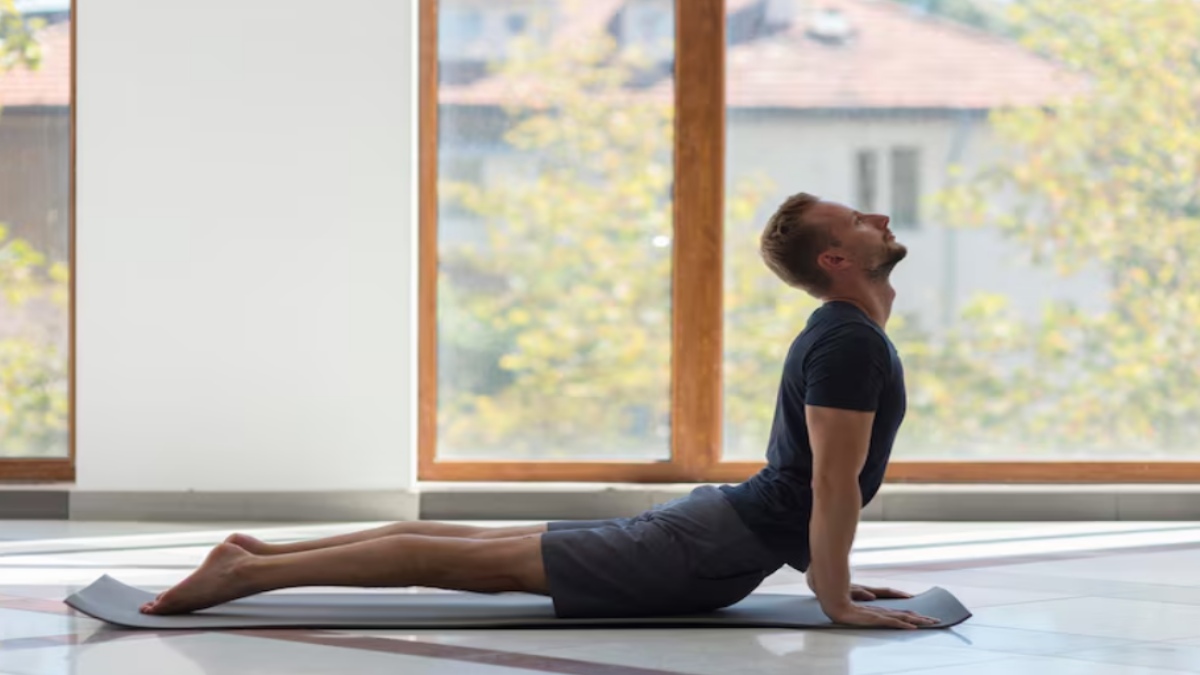
Yoga combines stretching, controlled movement, breathing and body awareness, making it an appealing form of low-impact exercise. Certain gentle yoga postures may help improve flexibility, strengthen muscles that support the spine and reduce muscle tension.
However, yoga is not appropriate for every type of back pain. People with severe, unexplained or persistent pain should consult a healthcare professional before beginning a new exercise routine.
Related Articles

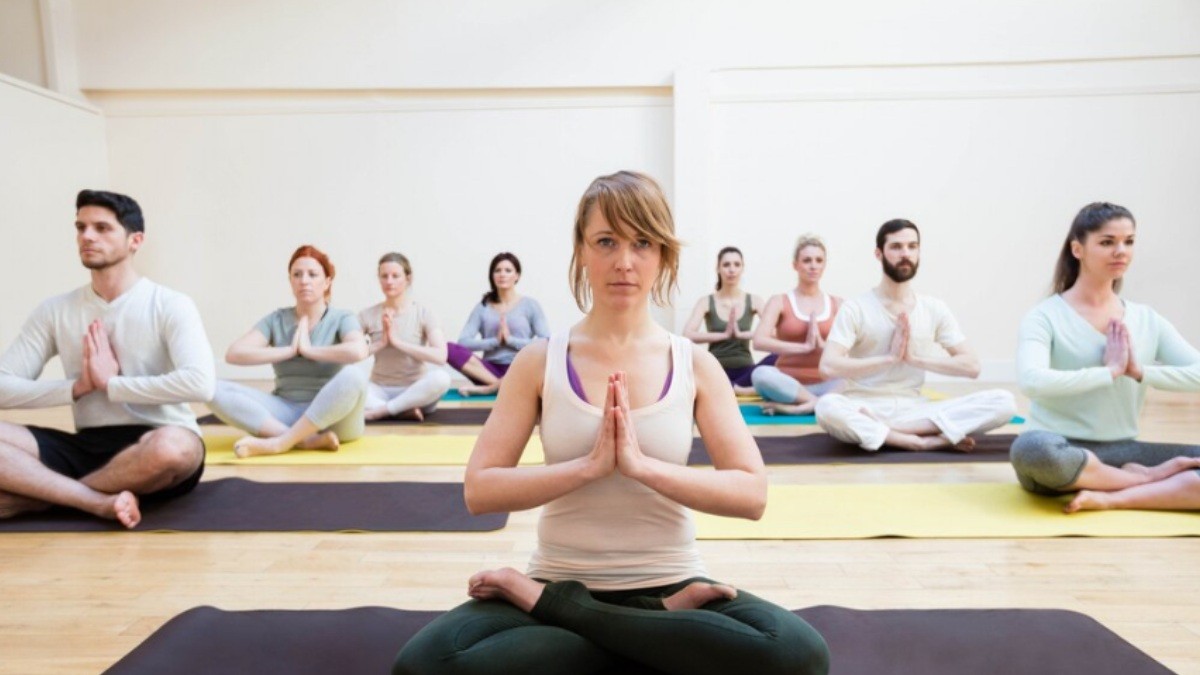
1. Child's Pose
Child's Pose, or Balasana, is a gentle resting posture that can provide a comfortable stretch through the back, hips and thighs.
Begin on your hands and knees, then slowly move your hips toward your heels while extending your arms forward. Keep the movement comfortable and avoid forcing your hips downward.
If your knees or hips are uncomfortable, placing a cushion or folded blanket underneath you can provide additional support.
Related Articles
2. Cat-Cow Pose
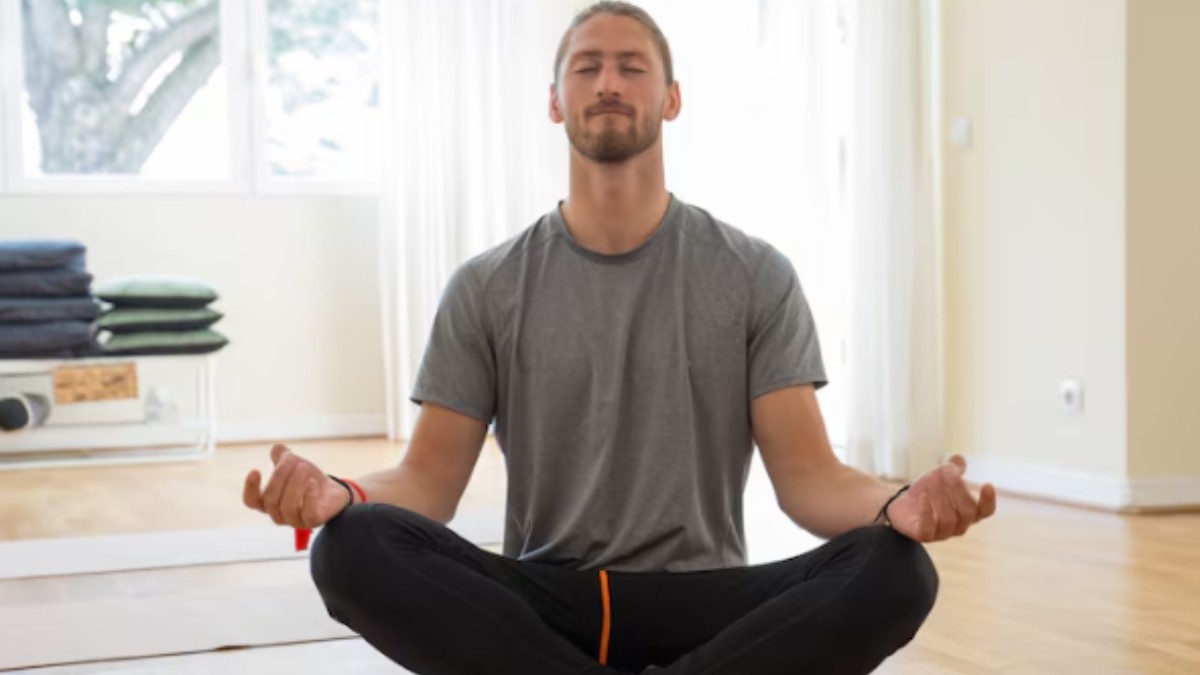
Cat-Cow, commonly known as Marjaryasana-Bitilasana, gently moves the spine through flexion and extension.
Start on your hands and knees with your wrists under your shoulders and knees under your hips. As you inhale, gently lift your chest and tailbone. As you exhale, round your back comfortably.
Move slowly and coordinate the movement with your breathing. The goal is gentle spinal mobility rather than achieving an extreme range of motion.
3. Knees-to-Chest Stretch
The knees-to-chest stretch may help gently release tension in the lower back.
Lie on your back and slowly bring one or both knees toward your chest. Hold the position comfortably while breathing normally.
Avoid pulling aggressively on your knees. If bringing both knees toward the chest increases discomfort, try one leg at a time.
4. Supine Spinal Twist
A gentle reclining twist can help improve spinal mobility and stretch the muscles around the back and hips.
Lie on your back with your knees bent. Slowly allow your knees to move toward one side while keeping your shoulders as comfortable and stable as possible.
The movement should be gentle. Do not force the knees toward the floor, particularly if twisting aggravates your symptoms.
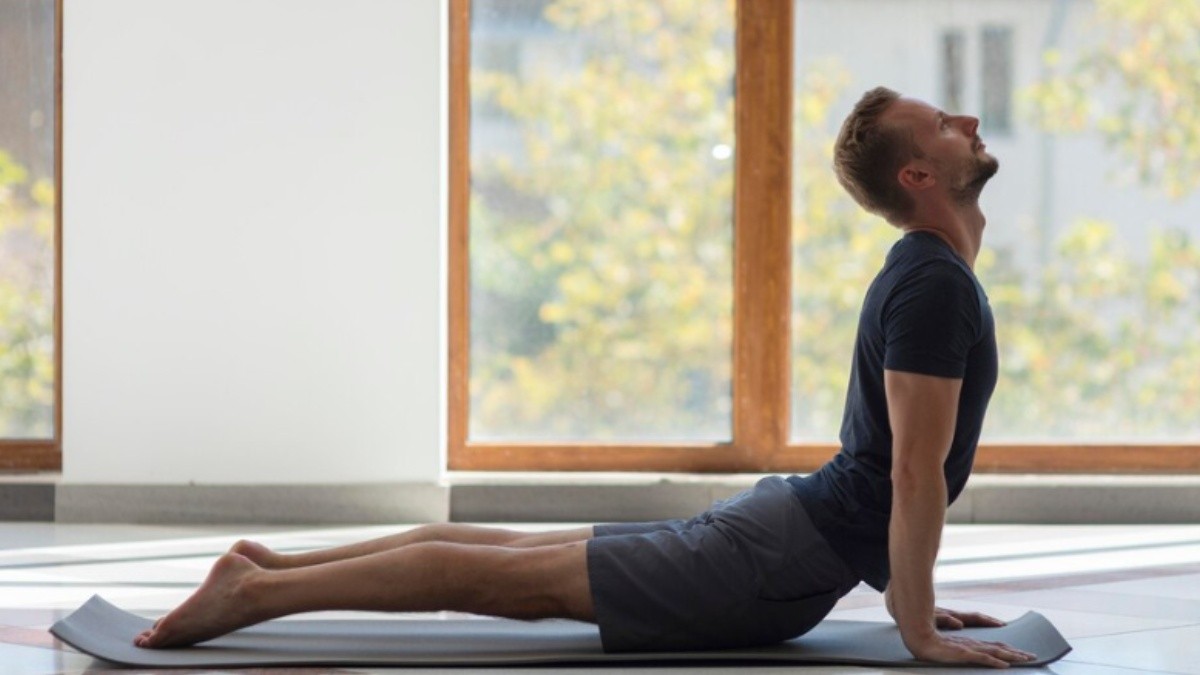
5. Sphinx Pose
Sphinx Pose is a mild back-extension posture that may help some people improve comfort and mobility in the lower back.
Lie on your stomach and place your forearms on the floor with your elbows approximately beneath your shoulders. Gently lift your chest while keeping your pelvis relaxed.
Do not push into a deep backbend. If the pose causes pain or increases symptoms, stop.
6. Bridge Pose
Bridge Pose, or Setu Bandhasana, can strengthen the gluteal and other supporting muscles while encouraging controlled movement through the hips and spine.
Lie on your back with your knees bent and feet resting on the floor. Press gently through your feet and lift your hips while keeping the movement controlled.
Avoid lifting higher than is comfortable. Beginners can start with a small range of movement.
7. Bird Dog
Bird Dog is a yoga-inspired movement that can help develop core stability, balance and control.
Begin on your hands and knees. Slowly extend one arm and the opposite leg while keeping your torso stable. Return to the starting position and switch sides.
The objective is controlled movement rather than height. If balancing both limbs is difficult, practise by extending only one arm or one leg at a time.
8. Standing Forward Fold With Care
A gentle standing forward fold may stretch the back of the body, including the hamstrings. However, this posture is not suitable for everyone with back pain.
Stand comfortably and bend forward from the hips while keeping the knees slightly bent. Let the upper body relax only as far as feels comfortable.
Avoid this pose if forward bending worsens your symptoms, and never bounce or force the stretch.
How Often Should You Practise Yoga for Back Pain
Consistency is generally more useful than performing an intense session occasionally. A short routine of gentle movements performed regularly may be easier to maintain than a demanding workout.
Start slowly and pay attention to how your body responds during and after practice. Yoga should not cause sharp, worsening or radiating pain.
Combining yoga with other healthy habits including regular walking, appropriate strength training, good sleep and avoiding prolonged periods of sitting may also support overall back health.
When Should You Avoid Yoga
Back pain can have many causes, and exercise recommendations depend on the underlying problem. Seek medical advice if pain is severe, follows a significant injury, persists or repeatedly returns.
Urgent medical attention is particularly important when back pain occurs with symptoms such as loss of bladder or bowel control, numbness around the groin or saddle area, significant weakness in the legs, fever or unexplained weight loss.
Gentle Movement Can Support a Healthy Back
Yoga may be a useful addition to a back-care routine when practiced appropriately. Gentle poses such as Child's Pose, Cat-Cow, Bridge Pose and Bird Dog can encourage mobility, strength and body awareness without requiring high-impact movement.
The key is to listen to your body and avoid treating pain as something you must push through. If you have an existing back condition or are unsure which movements are appropriate, speak with a qualified healthcare professional or physiotherapist before starting




Comments 0