
Modern life can make it difficult to slow down. Work responsibilities, family commitments, digital screens and everyday worries can leave the body tense and the mind constantly active. While relaxation can seem difficult to achieve, simple yoga exercises may provide a gentle way to pause, breathe and reconnect with the body.
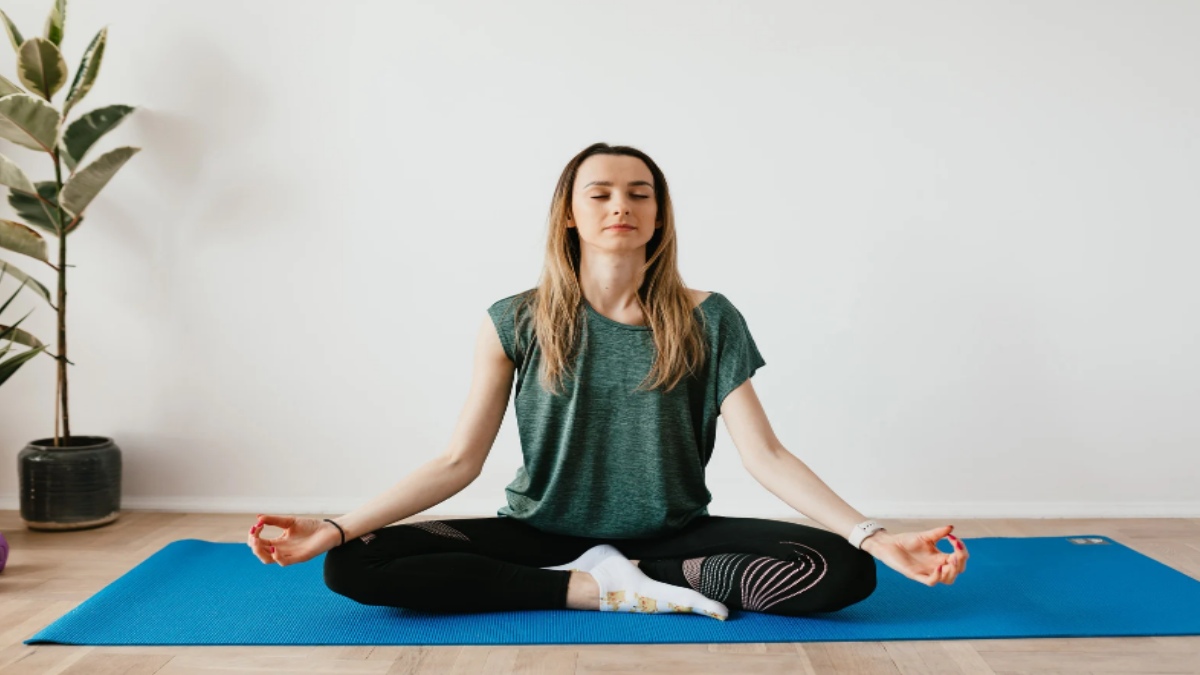
Yoga relaxation exercises generally combine comfortable movements, controlled breathing and mindful awareness. Unlike vigorous yoga routines designed to build strength or flexibility, relaxation-focused practices emphasize slowing down and releasing tension.
1. Child's Pose
Child's Pose, or Balasana, is one of the simplest restorative yoga positions.
Related Articles
Kneel on the floor and bring your hips toward your heels. Lean your upper body forward and rest your forehead on the mat or on a cushion. Your arms can extend forward or rest alongside your body.
Breathe slowly and comfortably while remaining in the position. If your knees or hips feel uncomfortable, use cushions for additional support.
This pose can encourage a sense of rest and may help gently release tension in the back, shoulders and neck.
Related Articles
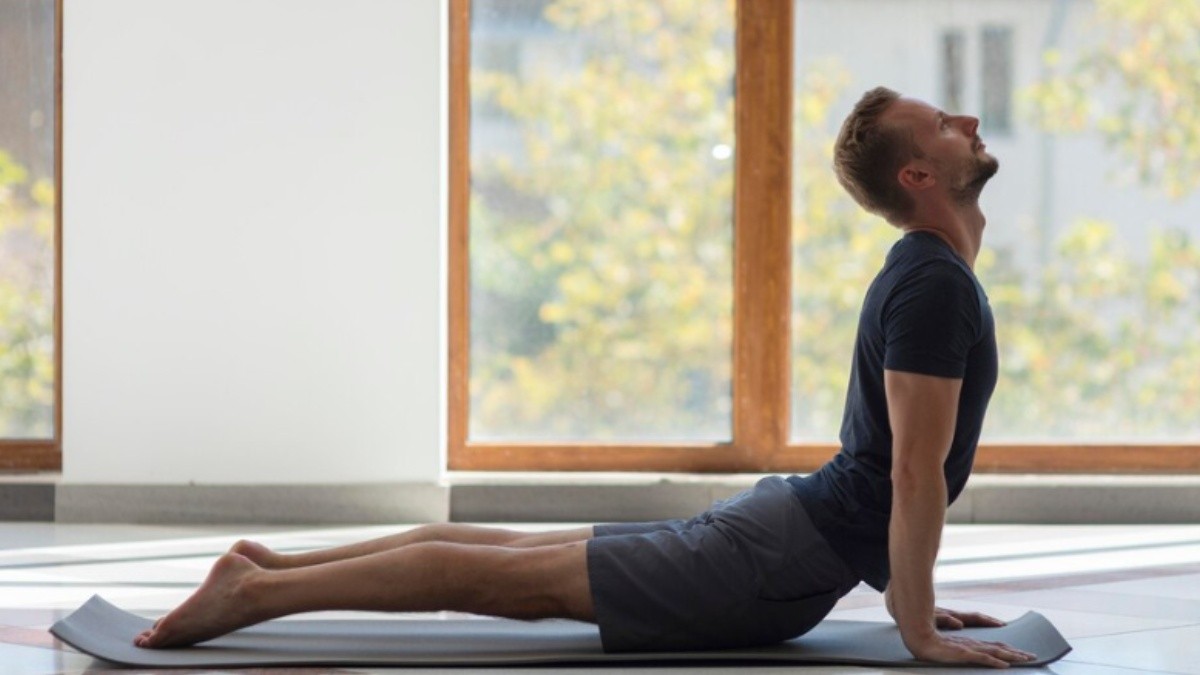
2. Legs-Up-the-Wall Pose
Viparita Karani, commonly called Legs-Up-the-Wall Pose, is a popular relaxation posture.
Sit sideways next to a wall, gently turn onto your back and extend your legs upward against the wall. Allow your arms to rest comfortably beside you.
Close your eyes and focus on slow, relaxed breathing. Stay in the position for several minutes if it feels comfortable.
People often use this pose as part of an evening wind-down routine.
3. Cat-Cow Stretch
Cat-Cow is a gentle movement that can help loosen the spine and encourage awareness of breathing.
Begin on your hands and knees. As you inhale, gently lift your chest and tailbone while allowing your abdomen to move downward. As you exhale, round your spine and gently draw your chin toward your chest.
Move slowly rather than forcing the range of motion. Coordinating movement with breathing can make this exercise particularly calming.
4. Seated Forward Fold
A gentle seated forward fold can be incorporated into a relaxation sequence.
Sit with your legs extended or slightly bent. Slowly hinge forward from your hips while keeping the movement comfortable. You do not need to touch your toes.
Allow your head, neck and shoulders to relax as much as possible. Use a strap or cushion if needed.
Avoid forcing the stretch, especially if you experience back or hamstring discomfort.
5. Supine Twist
A gentle reclining twist can be a relaxing way to finish a yoga session.
Lie on your back and bend your knees. Slowly allow both knees to move toward one side while keeping your shoulders as comfortable as possible on the floor. Turn your head only if it feels comfortable.
Repeat on the other side, breathing slowly throughout.
6. Corpse Pose
Savasana is traditionally practiced toward the end of a yoga session.
Lie comfortably on your back with your legs relaxed and your arms resting beside you. Close your eyes and allow your breathing to become natural.
Instead of trying to force your mind to become completely blank, simply notice your breathing and physical sensations. If thoughts arise, acknowledge them and gently return your attention to your breath.
Even a few minutes of Savasana can create a valuable transition between activity and rest.
Add Breathing Exercises
Breathing is an important part of relaxation-focused yoga. Slow, comfortable breathing can help bring attention away from racing thoughts and toward the present moment.
Try sitting or lying comfortably and breathing gently through your nose. Allow the abdomen to expand naturally as you inhale and soften as you exhale.
There is no need to hold your breath or force unusually deep breaths. If you feel dizzy or uncomfortable, return to normal breathing.
Create a Relaxing Yoga Routine
You do not need an hour-long session to benefit from relaxation exercises. A simple 10- to 15-minute routine can include gentle stretching, Child's Pose, Legs-Up-the-Wall Pose, breathing exercises and Savasana.
Choose a quiet space and reduce distractions where possible. Some people prefer practicing in the morning, while others find gentle yoga helpful before bedtime.
Consistency may be more useful than intensity. A short routine practiced regularly can become a calming part of the day.
Practice Safely
Yoga should feel comfortable rather than painful. Avoid forcing a stretch or holding a position that causes sharp pain, numbness or significant discomfort.
People with injuries, balance problems, recent surgery or certain medical conditions should consider speaking with a qualified healthcare professional before beginning a new exercise routine.
Yoga can support relaxation and general well-being, but it should not replace professional care for persistent anxiety, severe stress, sleep problems or other health concerns.
Make Relaxation Part of Your Day
Relaxation does not always require a major change in lifestyle. A few minutes of mindful breathing and gentle yoga can provide an opportunity to slow down and pay attention to the body.
By combining comfortable poses, steady breathing and a non-judgmental approach, yoga relaxation exercises can become a simple wellness practice for busy days. The goal is not perfect flexibility or complicated poses it is creating a moment of calm and allowing the body and mind to rest.




Comments 0