
When it comes to choosing a simple and sustainable exercise routine, two popular options often stand out: yoga and a morning walk. Both can support physical and mental well-being, but they work in different ways. So, which is better yoga or a morning walk.

The answer depends largely on your individual goals, fitness level, preferences and health needs. For some people, yoga may be the better choice, while others may benefit more from regular walking. In fact, combining the two can provide a more balanced approach to fitness.
Benefits of a Morning Walk
Walking is one of the simplest forms of physical activity and requires little or no equipment. A brisk morning walk can increase your daily physical activity and contribute to cardiovascular fitness.
Related Articles

Regular walking can also support weight management by increasing energy expenditure. However, the number of calories burned depends on factors such as walking speed, duration, body size and terrain.
A morning walk can also be a useful way to establish a consistent exercise habit. Spending time outdoors may provide an opportunity to get fresh air and daylight, while the routine itself can help some people feel more energetic and focused.
For beginners, older adults or people returning to exercise after a long break, walking can be an accessible starting point.
Related Articles


Benefits of Yoga
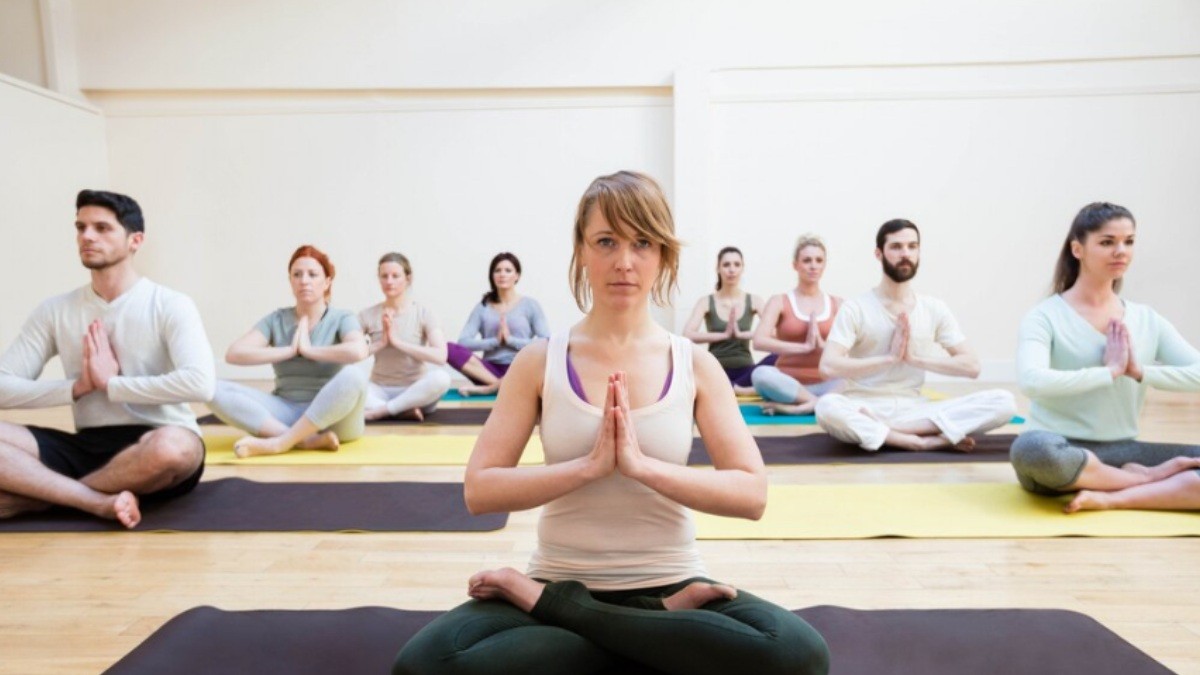
Yoga offers a different type of workout. Depending on the style and intensity, yoga can improve flexibility, balance, mobility and muscular endurance.
Poses require controlled movements and, in many styles, the body must support itself in different positions. This can help strengthen certain muscle groups while improving body awareness.
Yoga also incorporates breathing and mindfulness practices. For people dealing with everyday stress, a slower yoga session can provide a calming break from a busy schedule.
More dynamic forms, such as Vinyasa or power yoga, can provide a more physically demanding workout. Gentler forms may focus more heavily on mobility, relaxation and controlled breathing.
Which Is Better for Weight Loss
Neither yoga nor walking should be viewed as a magic solution for weight loss. Sustainable weight management generally involves a combination of regular physical activity, appropriate nutrition, sleep and other lifestyle factors.
A brisk walk can burn a meaningful amount of energy, particularly when performed regularly and for longer durations. More vigorous yoga styles can also contribute to energy expenditure, but calorie burn varies considerably between different yoga practices.
If weight management is your primary goal, choose the activity you can perform consistently and consider incorporating other forms of exercise, particularly resistance training.
Which Is Better for Flexibility
Yoga has a clear advantage when flexibility and mobility are the main priorities. Regular yoga practice involves moving through different ranges of motion and can gradually improve flexibility when practiced appropriately.
Walking, while excellent for general movement and cardiovascular health, does not typically provide the same focused flexibility training.
Which Is Better for Heart Health
Brisk walking can be an effective form of aerobic exercise and can contribute to cardiovascular fitness when performed regularly.
Some faster-paced yoga practices can raise your heart rate, but gentle yoga is generally not a substitute for moderate-intensity aerobic activity. If improving cardiovascular fitness is your main goal, regular brisk walking or another aerobic activity may be particularly useful.
What About Stress and Mental Well-Being
Both activities can support mental well-being, but yoga may offer additional benefits for people who specifically enjoy breathing exercises, mindfulness and relaxation.
Walking can also be mentally refreshing, especially when done outdoors. A quiet morning walk can provide time away from screens, work and household responsibilities.
The best choice may ultimately be the activity that you genuinely enjoy and look forward to doing.
Can You Combine Yoga and Walking
Absolutely. Combining the two can create a well-rounded routine.
For example, you could begin your morning with a 20- to 30-minute brisk walk and follow it with 10 to 15 minutes of gentle yoga stretches. Alternatively, you could alternate activities on different days.
Walking can provide aerobic activity, while yoga can complement it with flexibility, balance, mobility and mindful movement.
There is no universal winner in the yoga-versus-morning-walk debate. Morning walking may be better for accessible cardiovascular exercise and increasing daily activity, while yoga may be better for flexibility, balance, mobility and stress management.
Rather than choosing one based solely on which sounds more effective, consider your personal goals and what you can maintain consistently. Even a short daily session can be valuable when it becomes part of your routine.
For overall fitness, a combination of walking, yoga and strength-building exercises may offer a more complete approach. If you have an existing health condition, significant pain or concerns about starting exercise, consult a qualified healthcare professional for personalized guidance




Comments 0